

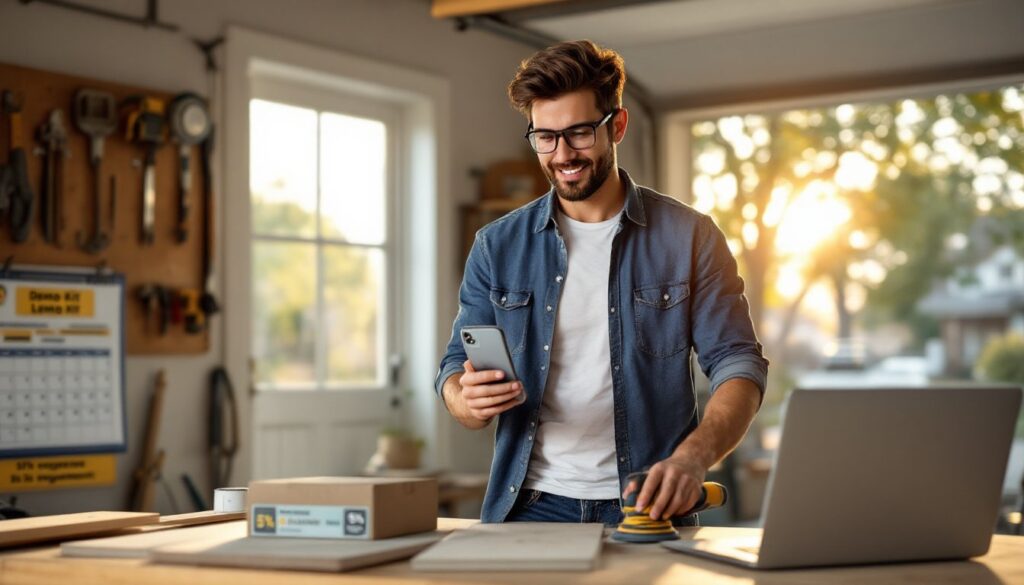
This is a practical guide for homeowners, renters, and DIY creators who want to use small creators to drive real results. It explains the nano influencer definition and shows exactly how to find, vet, and work with creators who have 500 to 10,000 followers. The focus is on immediate, measurable outcomes: saves, clicks, tool purchases, and local foot traffic. No fluff. Read this and you will be ready to run your first low-cost, high-trust campaign.
Key Takeaways
- A nano influencer is defined as a creator with 500 to 10,000 followers who engages a tight, niche community with frequent, authentic posts and strong audience interaction.
- Home improvement brands benefit from nano influencers due to their cost efficiency, authentic neighbor-like recommendations, and ability to drive local store visits and sales.
- Effective nano influencer campaigns focus on measurable outcomes like clicks, saves, purchases, and local foot traffic, using tracked links and coupon codes for precise measurement.
- To find and vet nano influencers, prioritize engagement rates over follower counts, look for localized and niche audience signals, and verify content relevance and comment quality.
- Content from nano influencers typically includes relatable, process-focused formats such as step-by-step clips and honest reviews that resonate with home improvement customers.
- Scaling nano influencer campaigns can be streamlined through agencies or organized workflows, emphasizing clear asks, small fees, and performance bonuses to foster productive partnerships.
What Is A Nano Influencer? Clear Definition And Examples
Nano influencers are creators with roughly 500 to 10,000 followers who run tight, niche communities and have direct relationships with their audience. The practical nano influencer definition is a size range plus the behavior: frequent, everyday posts, lots of replies in comments, and a follower base that often knows the creator in real life. Use this definition when screening candidates rather than obsessing over an exact follower number.
Examples the reader will recognize include a local renter posting weekend bathroom updates, a neighborhood handyman sharing short repair clips, or a sustainability-minded homeowner showing budget swaps. For concrete examples and deeper framing, review short case lists focused on this creator tier to compare expectations and deliverables. The best examples show conversions from demonstration content rather than polished ads.
If the team needs a quick comparison of scale or wants a checklist for counting followers, the piece on what is a nano influencer lays out thresholds and use cases that match home improvement scenarios.
Typical Metrics And Audience Traits To Look For
Focus on audience makeup and interaction quality rather than vanity numbers. Typical follower ranges are 1,000 to 5,000 with some up to 10,000. Look for repeat commenters, localized audiences, and niche interest signals like tool tags or neighborhood mentions. Use the following metric checklist when evaluating an account.
- Engagement rate. A healthy nano engagement rate is commonly above 5 percent on Instagram and TikTok. Platforms vary, so compare similar content types.
- Comment depth. Ten short likes mean less than two thoughtful comments that mention specifics. Prioritize creators whose comments ask questions or describe local conditions.
- Audience signals. Scan bios and comment locations for homeowner, renter, or local community mentions.
- Content cadence. Creators who post 2 to 5 times per week are easier to activate for timed campaigns.
For a quick reference on follower thresholds, use the guide to nano influencer follower count to calibrate expectations against platform norms.
Engagement, Content Types, And Platform Differences
Nano creators succeed with approachable formats rather than high production value. Typical content types in home improvement include step by step clips, before and after photos, tool quick-tips, and honest equipment reviews. Each platform behaves differently so match content to placement.
TikTok. Search by hashtags and sounds to find creators showing short renovation clips. Use Creator Marketplace for targeted discovery when scale is needed. Nano videos on TikTok often get high watch time because they document process.
Instagram. Use Explore and niche hashtags such as #DIYBathroom or #BudgetReno to find local creators. Instagram Reels mirror TikTok behavior but tend to reward consistent aesthetic. Micro-stories and saved highlights are gold for trust signals.
YouTube. Niche channels that focus on tutorials convert well for higher ticket items. Search, suggested videos, and comment sections reveal creator authority. Small creators who post full walk-throughs build long-term reference traffic.
Amazon influencers. Look for creators who maintain storefronts, run Amazon Live sessions, and post authentic product reviews. Their audience is already in buying mode, so conversion rates can be higher.
For hands-on comparisons between creator sizes, check the breakdown of nano vs micro influencer to pick the right target for campaign goals.
Why Nano Influencers Work For Home Improvement Brands And DIY Creators
Nano creators turn into practical sales drivers for home improvement because they combine niche relevance with trust. They reach smaller groups but those groups are precisely the homeowners or renters who will buy a caulk gun, a budget faucet, or a compact sander.
Three advantages matter most. First, cost efficiency. Nano creators will often accept free product, small fees, or modest affiliate splits rather than full production budgets. Second, authenticity. Their content reads like a neighbor recommendation so it removes purchase friction. Third, local trust. Many home projects require local sourcing or neighborhood advice. Nanos who live in the same city can push in-store visits and localized promo codes.
A practical example: a local hardware store sends three demo kits to three nano creators within the same ZIP code. Two creators post step by step videos and offer a local pickup option. The store sees meaningful foot traffic and full-price purchases because the creators reduced uncertainty for shoppers. For more applied tactics and campaign templates, consult the nano influencer marketing resource.
Cost, Authenticity, And Local Trust — Real Use Cases For Homeowners And Renters
Budget conscious teams win with clear, small bets. Typical deal structures are gifting, small flat fees between 50 and 300 USD, or a revenue share for tracked sales. For commodity tools, gifting plus an exclusive local offer often outperforms a single higher-cost promotion.
Authenticity comes from process posts. Encourage creators to film timed clips showing real troubleshooting. That content converts because viewers relate to the friction. Local trust is practical: creators who reference a nearby hardware store or a local permit process push measurable actions like store visits and calls.
If the brand prefers to scale across neighborhoods or cities, using a nano influencer agency can speed matching and contracting while keeping per-creator costs low. Agencies help when the team lacks capacity to micro-manage dozens of small partnerships.
How To Find, Vet, And Collaborate With Nano Influencers — Step-By-Step
This is an operator workflow to go from search to sale in under two weeks.
- Discovery, 1 to 2 days
- Fastest method. Search platform hashtags such as #DIYHome, #SmallSpaceReno, and localized tags. Use Creator Marketplace or platform search for targeted discovery. Scan 50 profiles and shortlist 10.
- Tool-based approach. Run keyword searches in discovery tools and filter by follower range 500 to 10,000. For quick templates, use the list in nano influencer examples.
- Vetting, 1 to 3 days
- Engagement check. Calculate engagement rate with likes plus comments divided by followers. Aim for above 5 percent.
- Audience quality. Look through 30 recent commenters. Are they real accounts? Do they mention local contexts or personal plans?
- Content fit. Ensure the last 10 posts match the brand tone and product category.
- Rate benchmark. Get a sense of fees from published nano influencer rates so negotiations start from reality.
- Outreach, immediate
- DM or short email with exact ask: product sent, one 30 to 60 second demo reel, two feed photos, and one coupon code. Offer a small fee plus a performance bonus for tracked sales.
- Include exact timelines, talking points, and creative freedom limits.
- Measurement, ongoing
- Track clicks and conversions via unique UTM links and single-use coupon codes. Expect higher conversion but lower absolute reach than macro campaigns.
When speed or capacity is constrained, compare in-house outreach to hiring help. The guide on how to become a nano influencer can also help brands write briefs that creators understand quickly.
Conclusion
Nano influencers are a practical, low-cost channel for home improvement brands and DIY creators who want measurable actions from tightly targeted audiences. Treat them as conversion-oriented partners: run small controlled tests, use clear KPIs, and prioritize creators who demonstrate real local engagement. Start with gifting and tracked codes, then scale the relationships that drive sales.