

This playbook is for homeowners, renters, and DIY enthusiasts who want to turn weekend projects and helpful how-tos into an audience and income stream. It assumes no prior creator experience and prioritizes tactics that are cheap, measurable, and repeatable. After reading, they will have a clear discovery-to-monetization path they can execute in the first 90 days: what content to create, where to find the right followers, how to vet opportunities, and simple outreach and monetization formats that actually convert.
Key Takeaways
- Nano influencers, defined as creators with under 10,000 followers, succeed by building strong trust rather than large scale reach, especially in home and DIY niches.
- To become a nano influencer, pick a specific niche and create content that deeply resonates with a clearly defined ideal follower profile.
- Develop a reproducible content system by planning weekly themes, batching production, and using minimal editing to keep content authentic and manageable.
- Consistent posting of 3 short clips per week plus community engagement helps grow an organic audience and maintain trust.
- Monetize your nano influence smartly by starting with affiliate links and product mentions, progressing to sponsored posts, and tracking conversions carefully.
- Follow a structured 90-day plan to launch your nano influencer journey, from niche selection to negotiating your first paid deal based on performance data.
What Is A Nano Influencer? Roles, Reach, And Why Size Matters
Nano influencers are creators with under 10,000 followers who sell through trust, not scale. In home and DIY, that trust looks like real-time renovation updates, honest tool demos, and neighborhood-specific tips. A nano influencer often fills one of these roles: home fixer, budget renovator, decor experimenter, or tool tester. Each role trades breadth for depth: smaller audiences but stronger clickthrough and conversion rates.
Benchmarks matter. Typical engagement rates for nano creators sit between 3 to 8 percent, depending on platform and content type. That engagement translates to higher comment rates, more DMs, and better conversion on direct product links. Brands often prefer nano creators because they deliver targeted action at a lower cost and with less margin for inauthenticity.
For a quick reference on how the category is defined and to compare follower thresholds, see this short guide to the nano influencer definition. Practical examples of creators in similar shoes can inspire format and pacing, outlined in these nano influencer examples.
Why Nano Influencing Works For Homeowners, Renters, And DIY Enthusiasts
Nano creators win in home content because projects are local, specific, and repeatable. A renter showing how to maximize a small balcony will attract other renters who have the same constraints. A homeowner demoing a weekend bathroom refresh attracts people planning that exact job.
This audience converts differently than broad lifestyle followers. Trust and relatability drive clicks: people buy a recommended sealant or a drill because they saw it used on a real build, not because a celebrity promoted it. That makes nano creators ideal partners for e commerce brands, local contractors, and tool companies focused on performance-per-dollar.
To see how the category compares to adjacent creator sizes, read about nano vs micro influencer. For creators who want to scale beyond nano, this guide on how to become a micro influencer outlines the next steps and tradeoffs.
Define Your Niche And Ideal Follower: From Quick Fixes To Full Reno Journeys
Step 1. Pick a tightly scoped niche. Examples: apartment-friendly painting techniques, weekend deck builds, upcycling furniture, or small-bathroom layouts. Niche specificity makes discovery easier and content repeatable.
Step 2. Map the ideal follower. Create a one-paragraph profile: age, housing situation, tool access, budget, and top pain points. For example: “They are a 30 to 45 year old renter who can afford one cordless drill, wants quick wins under $200, and hates paint bleed.”
Step 3. Choose content pillars. Aim for 3 pillars that rotate weekly: Quick Fix (under 5 minutes), Process Clip (time-lapse of a step), and Product Test (real-world test of a tool or material). Keep formats repeatable so production time drops with each post.
For clarity on follower thresholds and expectations for a beginning creator, reference the nano influencer follower count. If they want concrete creative examples to model, the nano influencer examples page surfaces formats used in the category.
Build A Reproducible Content System That Fits Busy Homes
Create a system that fits between projects and real life. The goal is consistent output without weekend burnout.
- Plan weekly themes. Pick one project and break it into 3 to 5 short clips or photos. That yields content for the week and shows progress, which performs well on Reels and TikTok.
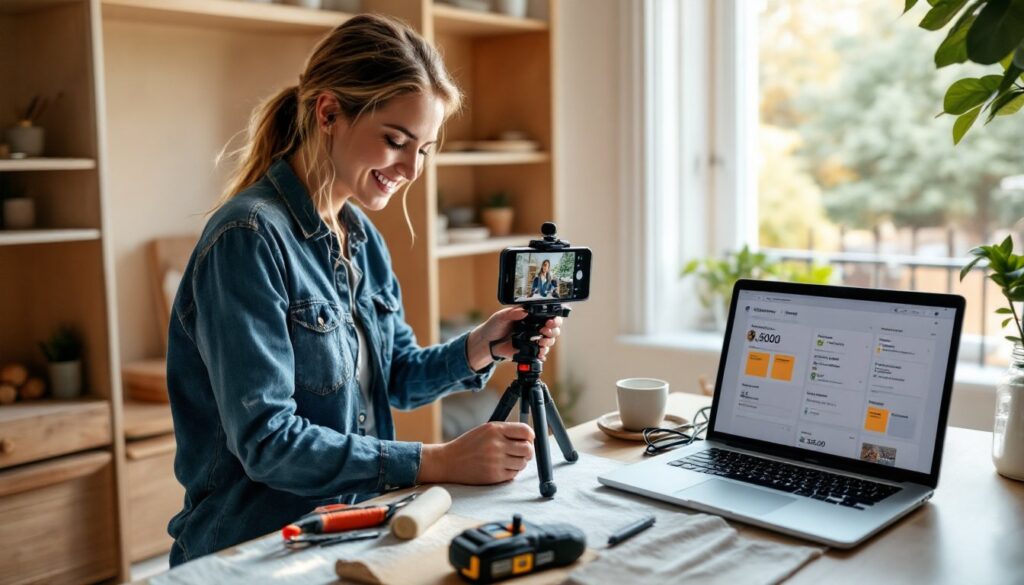
- Batch production. Film one afternoon and edit short clips in 30 to 60 minute sessions. Use basic phone stabilizing gear and natural light. The minimal editing style often reads as more authentic to viewers.
- Track a simple content calendar. Columns: idea, shoot date, caption hooks, hashtags, publish date, CTA, and result.
Essential Tools, Content Types, And Posting Cadence For Consistent Growth
Essential tools: smartphone, lapel mic, tripod, and a basic editing app like InShot or CapCut. Content types that consistently work: step-by-step tutorials, before/after reveals, tool comparisons, and mistake-and-fix clips. Posting cadence: start with three short posts per week plus one community post or story to answer comments.
Grow Organically, Monetize Smartly, And Maintain Trust With Your Audience
Growth tactics that actually scale: optimize for search and discovery. On TikTok use relevant hashtags, consistent sounds, and tag featured brands. On Instagram use Explore-friendly Reels and intentional hashtag mixes. On YouTube, publish short how-to clips and link to a longer process video.
Monetization ladder: begin with affiliate links and product mentions, add small paid posts once metrics are consistent, then offer sponsored mini-series for local brands. Track conversions with simple UTM links or store coupon codes.
For guidance on rates and brand expectations, consult the nano influencer rates. When negotiating deals, reference common nano influencer brand deals to set realistic terms.
Conclusion: Your First 90 Days — A Simple Action Plan To Launch As A Nano Influencer
Day 0 to 7. Pick a niche, write the follower profile, set up profiles with clear contact info. Day 8 to 30. Batch three projects into content, publish three times weekly, and respond to every comment for high engagement. Day 31 to 60. Start tracking CTRs and test one affiliate link and one low-cost sponsored post. Day 61 to 90. Refine the content types that produce clicks and negotiate the first paid deal using tracked results.
The fastest wins come from repeatable content and honest product tests. Nano influence is a volume of trust more than follower count. Execute the 90 day plan, measure conversions, and iterate on what actually drives purchases.