

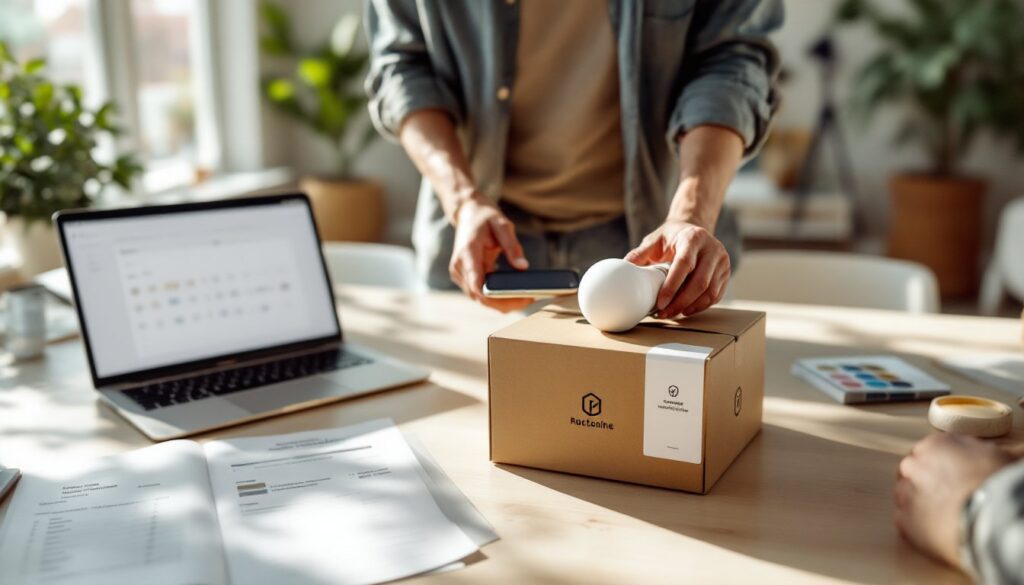
This is a tactical playbook for founders and ecommerce operators who sell home goods or DIY products and want measurable sales from influencer seeding. It walks through an execution-first workflow: set goals, find the right people, send products that actually get used on camera, and measure what matters. The steps are specific enough to follow in the next 7 to 14 days, and budget-conscious so teams can start with low-cost tests before scaling.
Key Takeaways
- A product seeding strategy delivers measurable sales for home goods and DIY brands by focusing on visual content that demonstrates real-world use.
- Set clear goals like awareness, traffic, or direct sales before selecting influencers to ensure the seeding campaign aligns with business objectives.
- Choose micro-influencers and creators who showcase authentic usage with engaging content such as unboxings, tutorials, and before-and-after demonstrations.
- Select photogenic, easy-to-use products with strong visual appeal and provide creators with clear instructions and attractive packaging to encourage quality content.
- Timing and distribution matter—align seeding efforts with product launches or seasonal trends and decide between one-off tests and ongoing partnerships for sustained growth.
- Measure success using KPIs like response rate, content rate, engagement, and revenue, and optimize by promoting top-performing content and nurturing high-ROI creators.
Why Product Seeding Works For Home Goods And DIY Brands
Product seeding works for home goods because the products are demonstrable. People buy a lamp, tool, or throw pillow after seeing it used in a real room or a renovation clip. Visual proof reduces purchase anxiety and shortens the path from discovery to conversion.
Startups often waste money buying reach. Seeding focuses on content-first ROI: one good unboxing or tutorial can generate ongoing traffic from search and suggested feeds. For home goods, creators produce three content types that convert: unboxings, before-and-after demos, and step-by-step tutorials. Each maps cleanly to platforms like Instagram Reels, TikTok, and YouTube shorts.
If unfamiliar with the basics, the team should review a primer on what is product seeding before executing. For examples of how formats perform, reference product seeding examples to see how visual integration drives engagement.
Set Clear Goals And Choose The Right Seed Recipients
Always define one primary goal before sending anything: awareness, traffic, or direct sales. That goal determines which creators to target, what collateral to include, and how attribution will work.
A simple goal ladder helps. For early tests, aim for content volume and audience fit. If content performs, move recipients to affiliate links or paid deals. This progression is the backbone of a repeatable product seeding campaign.
Use an internal scoring sheet with these fields: reach, engagement rate, audience fit, past brand mentions, and fulfillment complexity. Assign weights and rank potential recipients. If the team needs a tactical checklist, the influencer product seeding resource lists practical program components and workflows.
How To Identify Ideal Seeders: Homeowners, Creators, And Community Leaders
- Homeowners who document projects. They often have smaller audiences but high trust. Target people who post before-and-after photos weekly. 2. Niche DIY creators. Look for creators who focus on cabinetry, painting, or decor. 3. Community leaders. Think local home improvement Facebook group admins or neighborhood Instagram accounts.
Prioritize creators who show usage over polish. A 2 to 5 percent engagement rate is typical for micro-influencers and often trumps a low-engagement macro account.
Pick The Right Product, Packaging, And Messaging For Real-World Use
Choose products that showcase quick wins on camera. For home goods, that means items that are photogenic, easy to set up, and have an obvious before/after. Avoid shipping heavy appliances for early tests: focus on visual items like smart bulbs, stylish organizers, or compact tools.
Allow creators to choose color or variant to reduce return friction and increase the chance of authentic content. Include a one-page guide with suggested shots, product specs, and any safety notes. A simple ask increases compliance: “Try this in one project and share one short clip.”
Packaging matters. Branded, tidy packaging creates better unboxing moments. A short personalized note increases response rates and the likelihood of storytelling. For packaging inspiration and kit ideas, examine a sample product seeding kit to see what other programs include.
Messaging should be pragmatic. Lead with use-case bullets for creators: what problem it solves, where it fits, and an example caption. That saves creators time and improves the quality of initial posts.
Distribution Channels, Timing, And One-Off Vs. Ongoing Programs
Distribution choices depend on scale and budget. For small tests, ship directly from the warehouse and track with a spreadsheet. For recurring programs, integrate a fulfillment partner or use a DTC platform that supports sample packs and returns.
Timing is critical. Align seeding with product launches, seasonal projects, or trending sounds. For example, plan kitchen product seeding in late Q3 before holiday meal prep spikes.
Decide between one-off tests and ongoing relationships. One-off seeding finds creative fits quickly but limits long-term upside. Ongoing programs convert top performers into affiliates or paid partners.
An operational tip: batch shipments weekly to keep fulfillment predictable and to create concentrated publishing windows that amplify momentum.
Outreach Templates, Follow-Up, And Relationship-Building Best Practices
- Initial outreach: short, personalized message that references a recent post and offers the product with no immediate ask. 2. Follow-up: polite check-in after delivery asking whether they need creative guidance. 3. Relationship building: send seasonal refreshes, small gifts, or exclusive product previews to high performers.
For a tactical outreach flow, keep messages under 80 words and always give an easy out. Record every interaction in CRM to avoid duplicate sends and to track response rate. For campaign structure reference, review a typical product seeding campaign.
Measure Success: KPIs, Attribution, And How To Optimize Your Next Round
Track these KPIs: response rate to offers, content rate (percent of recipients who post), view and engagement per post, and revenue per seeded product. Use unique promo codes, tracked links, or affiliate tags to connect posts to sales.
For paid amplification, repurpose high-performing seeding content into ads. That reduces creative cost and leverages content proven to convert. When a creator’s content outperforms the baseline, move them to an affiliate split or a paid deal.
Beware vanity metrics. High follower counts without comments or saves are often paid or bot-driven. Use engagement rate and content quality to decide follow-on investment. If unsure about audience authenticity, run a small test order from a region the creator claims to reach and check conversions.
To refine recipients for the next round, export your scoring sheet and mark winners by ROI and content quality. Use that list to scale gifts, invite creators into affiliate programs, or brief for paid campaigns. For conceptual clarity on terminology and meaning, teams can consult product seeding meaning as they operationalize attribution.
Tools (free + paid) And Quick Methods
Fastest Way to Find DIY Influencers: search platform-native behavior. On TikTok use hashtags and sounds, and check Creator Marketplace for vetted profiles. On Instagram use Explore and niche hashtags. On YouTube search long-tail queries like “bathroom tile install.”
Tools to speed the work: free spreadsheets plus manual search for initial discovery, and paid platforms for scaling. If building a list, look at a seeding product page for program mechanics. For program templates and tactical how-tos, a practical product seeding guide is helpful.
When to use paid tools: only after you have a reproducible test. Paid platforms are useful for demographic breakdowns and bulk outreach but are unnecessary for first-wave testing.