

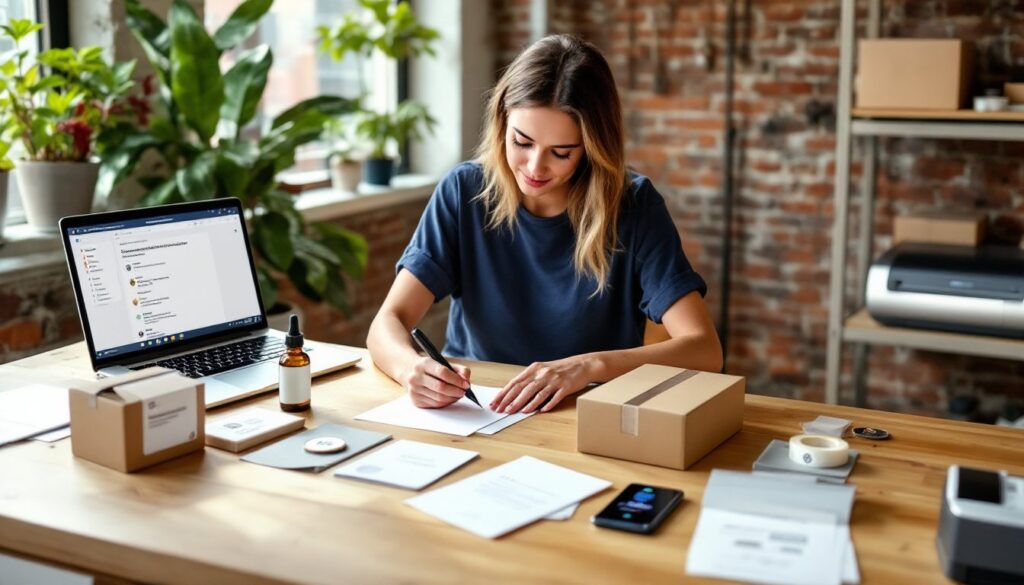
This is a no-fluff, execution-first playbook for brands and creators who need their first product seeding campaign to deliver measurable results. It assumes limited budgets and wants ROI, not vanity metrics. The guide shows how to discover recipients, design packages that prompt posts and purchases, handle outreach and logistics, and measure outcomes so the next round scales. Read this to get a repeatable workflow founders and ecommerce operators can carry out this week.
Key Takeaways
- A successful product seeding campaign targets micro creators and existing customers to generate authentic user-generated content and drive sales cost-effectively.
- Design your seeding packages to encourage sharing by including visually appealing products, personalized notes, and clear calls to action with unique promo codes or affiliate links.
- Packaging and unboxing experiences should be camera-friendly, sustainable, and simple to create spontaneous, engaging social posts from recipients.
- Follow a structured outreach and logistics plan with personalized messages, timely shipping, and consistent follow-ups to maximize post rates and measurable results.
- Track key metrics like post rates, engagement, and sales conversions using promo codes or affiliate links, then use data to refine and scale your product seeding campaign.
- Product seeding campaigns should be strategic, measurable, and repeatable to build sustainable user-generated content and low-cost customer acquisition over time.
What Is Product Seeding And Why It Works For Small Brands
Product seeding sends free product to creators, customers, or micro communities to generate organic mentions, user generated content, and social proof without guaranteed paid placements. For small brands the core advantage is cost efficiency. Compared with paid influencer buys, seeding leverages trust and repeat exposure from multiple creators for a fraction of the cost. That said, seeding is not free advertising. It requires targeting discipline, packaging that invites sharing, and clear measurement.
Product seeding often sits upstream of paid campaigns. Start by testing with existing buyers and niche creators to collect content, then amplify winning posts with paid boosts. For background concepts and tactical framing, review a practical what is product seeding primer and the concise product seeding meaning article to align internal definitions.
Why it works in 2026: platform discovery still favors authentic clips and repeat mentions. Small creators with 3K to 150K followers typically hit the best conversion sweet spot, delivering engagement rates in the 2 percent to 8 percent range while costing far less than macro influencers. The goal is to generate reliable UGC and purchase intent rather than a single viral hit.
Define Clear Goals And Choose The Right Recipients
Start with one primary objective: awareness, UGC collection, or direct sales. Everything else flows from that decision.
- Set measurable targets
1.1 Awareness: target post rate and earned reach. Expect 20 percent to 40 percent post rates on open seeding rounds with micro creators. 1.2 UGC: aim for 10 to 30 unique usable clips or images per 100 packages. 1.3 Sales: set a conversion target and tracking method such as promo codes or affiliate links.
- Choose recipients by profile
2.1 Existing customers first. They are already buyers and convert highest. 2.2 Micro creators with 3K to 50K followers for conversion and niche fit. 2.3 Mid-tier creators 50K to 150K for higher reach when the budget allows. Avoid macro-only approaches if conversion is the priority.
- Filtering criteria
- Niche relevance: match creator content to product use cases.- Engagement rate: prefer 2 percent to 8 percent for micro creators.- Audience quality: sample recent comments and view consistency for video posts.- Visual style: product must look good on camera to encourage unboxing.
For a repeatable selection process, map your ideal customer profile and use a focused product seeding strategy as the blueprint. That keeps recipient selection tied to business outcomes rather than follower counts.
Design The Seeding Package To Drive Action
The package should make the recipient want to post and make it easy for them to mention purchase cues. Design for three outcomes: post, CTA, and content reuse.
- Product selection
- Send products that are genuinely usable and visually shareable.- Prioritize SKUs with clear benefit lines or demonstrable results.
- Add conversion mechanics
- Include a unique promo code or affiliate link to track sales.- Add a simple usage challenge or prompt that naturally fits short video formats, for example “show the before and after in 15 seconds.”
- Personalization at scale
- Use short handwritten notes for VIPs and templated inserts for others.- Reference a recent post or review to show the brand did assignments.
- Volume and batching
- Run batches of 25 to 100 per wave to measure post rates before scaling.- Expect diminishing returns beyond 300 packages without stronger incentives.
For package ideas and inspiration for kit contents, consult a curated product seeding kit guide and real product seeding examples to see how other brands structure inclusions.
Packaging, Collateral, And Unboxing Experience
Packaging is a conversion tool. An attractive, tactile unboxing increases the odds of a spontaneous post.
- Packaging checklist
- Use clean, camera-friendly colors and avoid busy patterns that distract.- Opt for recyclable materials and call that out with a small sticker. Audiences respond to sustainability cues.- Add one branded item like a sticker or pin that makes packages feel exclusive.
- Collateral to include
- One page quick-start card with a short headline, 3 bullet benefits, and sharing prompts.- A promo code card with expiry to drive urgency.- Clear usage instructions that reduce friction for filming.
- Unboxing mechanics that increase posts
- Include a simple prompt: “Show your first impression in 10 seconds.”- Offer a small incentive for a post such as entry to a giveaway or a $10 affiliate bonus.
Make the experience effortless to film. Bulky inserts, excessive paperwork, or confusing instructions kill momentum. Keep it concise and camera ready.
Outreach, Timing, Logistics, And Legal Essentials
Outreach and logistics decide whether packages get posted and tracked.
- Outreach workflow
- Start with a short personalized message referencing a specific post.- Offer the product and be explicit about what the brand hopes for, for example a single Instagram Reel or TikTok clip, but avoid requiring a post unless paying.- Use simple templates and track replies in a sheet or CRM.
- Timing and shipping
- Ship 7 to 14 days before launches to create pre-launch posts.- Batch shipments and use a reliable courier with tracking.- Use fulfillment partners when you scale beyond 200 packages per month.
- Follow-up cadence
- Send a friendly follow-up 3 to 5 days after delivery asking if the recipient needs anything.- If no post after 14 days, send one final nudge with the incentive restated.
- Legal and disclosure
- Always require creators to disclose paid or gifted items per FTC rules.- For affiliate arrangements, provide clear contract terms and payment timing.- Keep records of agreements and permissions to reuse UGC.
If your plan involves creator partnerships beyond gifting, review best practices for influencer product seeding to align outreach with creator expectations and compliance.
Track, Measure, And Scale Your Results
Tracking turns seeding into a growth channel. Define metrics before sending packages.
- Core metrics to track
- Post rate: percent of packages that produce at least one post. Target 20 percent to 40 percent initially.- Engagement per post: likes, comments, saves, and video view benchmarks by platform.- Clicks and conversions: measure via unique promo codes, affiliate links, or UTM parameters.- Cost per action: cost per usable UGC asset and cost per conversion.
- Tools and attribution
- Use simple spreadsheets with columns for recipient, ship date, post URL, promo code used, and sales attributed.- For higher volume, integrate with link shorteners or affiliate platforms to auto-collect sales.- Boost high-performing creator posts with paid amplification and measure lift.
- Iteration and scaling
- After a wave, analyze content performance and keep top creators for repeat sends.- Increase incentives selectively for mid-tier creators who deliver high conversion.- Expect repeat rounds to improve post rates and lower cost per usable asset. Brands commonly see post rates climb by 10 percent to 20 percent with relationship building.
Document lessons and refine recipient filters. Treat seeding as a cyclical funnel: discover, seed, measure, amplify, repeat.
Conclusion
Product seeding works when it is strategic, measurable, and repeatable. Start small, target people who already love the product, design an unboxing that is easy to film, and track post rates and sales with unique codes. Iterate based on what converts, then scale the approach. With a clear playbook brands can turn seeding into a steady source of UGC and low cost customer acquisition.