

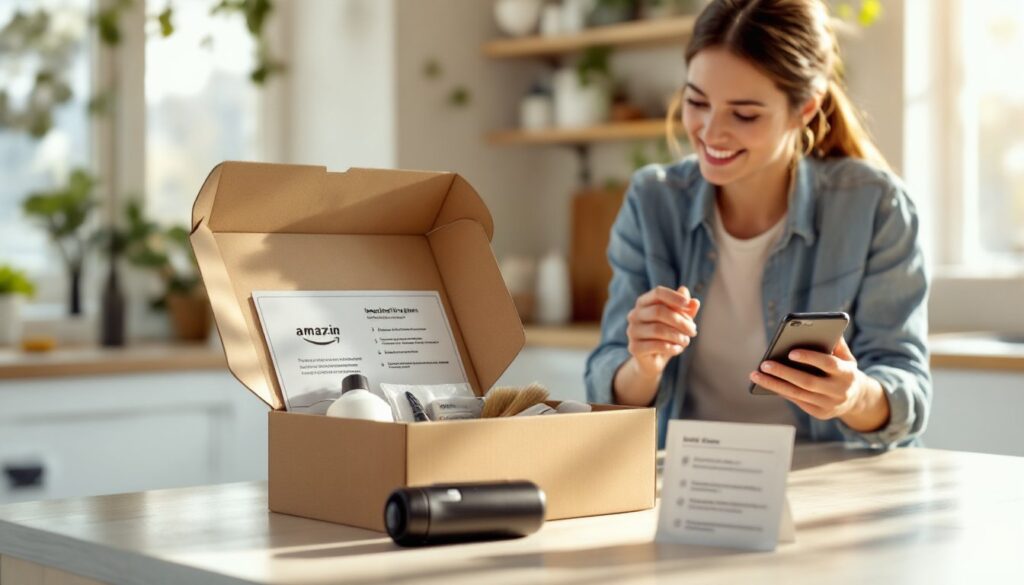
This guide is for homeowners, renters, and DIYers who want to seed their products to creators, neighborhood reviewers, or local influencers and get real, trackable results. It shows what to put in a kit, how to assemble it on a budget, and the exact follow-up that turns a free sample into content, reviews, and sales. The instructions are tactical and execution-first so a busy maker or side-hustle brand can go from zero to first kit in a weekend.
Key Takeaways
- A product seeding kit is a cost-effective way for small brands and makers to generate authentic user-generated content and reviews without paid ads.
- Include essential items like the exact product SKU, first-use tools, and simple, clear instructions to reduce friction and encourage sharing.
- Target micro-influencers and local reviewers who produce how-to content and have engaged audiences for better conversion rates.
- Use photogenic, tidy packaging and tracked shipping to enhance recipient experience and prompt immediate social media posts.
- Follow up 7 to 10 days after delivery with a helpful, personal message to build relationships and encourage content creation.
- Track outcomes with simple KPIs such as posts, engagements, and conversions to refine future product seeding kit campaigns effectively.
What Is A Product Seeding Kit And Who Should Use One
A product seeding kit is a curated package of free product samples and brand items sent to people who can create organic exposure. It is not a paid ad, and it often arrives without a formal contract. The goal is to make it easy for recipients to try, like, and share the product on social media or local buying channels. Brands, small-home-business owners, and makers with limited ad budgets should use seeding kits to generate user-generated content and early reviews.
Who should use it. Home renovation brands, tool makers, small appliance sellers, and DIY product creators benefit most. A homeowner selling a new caulk tool, a maker with a multipurpose sanding block, or a small business launching a natural cleaner can see outsized returns from targeted seeds. For tactical background on seeding basics and expected outcomes, refer to a clear primer on what is product seeding.
Why it works when done right. If the kit solves immediate friction for first use, the recipient is more likely to create a how-to or honest review. Seeding is cost-effective for building social proof before investing in paid influencer campaigns. But poorly assembled kits sit on a shelf. The rest of this guide prevents that.
What To Include In Your Seeding Kit
Choose items that reduce friction, increase shareability, and reinforce brand recall. Include a brief usage flow on a card so recipients know what to film and what benefits to highlight. For inspiration on formats and creative layouts, review a range of real-world product seeding examples.
Essential Items: Product, Instructions, And First-Use Tools
- Core product: Ship the exact SKU you want reviewed. If size options exist, send the one easiest to demo. For a paint sample, send a small tray plus a mini brush.
- First-use tools: Include items that prevent friction. An applicator, batteries, or a drill bit saves testers from hunting for tools.
- Clear instructions: One-page setup with three bullet steps and a suggested shot list for social content. Include ideal lighting tips and a short safety note if relevant.
Practical tip. Package items so the unboxing is immediate and obvious. Messy packaging equals delayed trial. For strategic planning around timing and targeting, the product seeding strategy resource is helpful.
Nice-To-Have Add-Ons: Branded Extras, Samples, And Incentives
- Branded card or sticker to pop on toolboxes or fridges. Small visual cues increase post frequency.
- Mini samples of complementary items to encourage multi-product content. A grout cleaner brand might add a sample grout pen.
- Incentives: A single-use affiliate code or a modest commission structure motivates creators to convert views into purchases.
- Packaging flourish: A simple kraft box with a printed insert photographs better than plain plastic.
If the campaign targets creators rather than casual neighbors, layer in a low-cost incentive and reference an influencer product seeding checklist to make offers clear without pressure.
How To Assemble A Budget-Friendly Seeding Kit Step-By-Step
This is a five-step, low-cost workflow built for speed.
- Pick 5-15 recipients. Target local DIY micro-influencers with 10k to 50k followers, neighborhood reviewers, or engaged community members. Micro-influencers often have 2 to 5 percent engagement, which converts better than big followings.
- Curate 3-5 products or sample combinations. Prioritize items that demonstrate immediate results in one use. They are more likely to produce before-and-after content.
- Source affordable packaging. Use chipboard boxes or rigid mailers from wholesale suppliers. Avoid oversized cartons: shipping volume kills budgets.
- Assemble with a checklist. Include product, first-use tools, instruction card, sticker, and a short note. Check for completeness before sealing.
- Estimate costs and batch. Calculate product cost plus shipping. For a small brand, a realistic kit spend is product plus $8 to $18 shipping. If a product is heavy, consider regional seeding to cut costs.
Selection criteria. Choose recipients who post how-to content, have a clear audience match, and show real comments. A single well-matched micro-influencer will often outperform an unfocused macro send. For campaign-level planning, document outcomes and compare with a basic product seeding campaign playbook.
Packaging, Shipping, And Follow-Up Best Practices For Better Responses
Packaging matters for social-first recipients. Photogenic boxes, tidy internal layout, and a clear product-in-use photo on the instruction card increase the chance of an immediate post.
Shipping. Use tracked shipping for every kit and share the tracking number with recipients. Aim for delivery within 48 to 72 hours of dispatch when possible. For bulky items, consider local drop-offs or courier pickup to reduce costs.
Follow-up cadence. Wait 7 to 10 days, then send a short, personal message asking if they tried the product and if they need any tips. Phrase the follow-up as a help offer rather than a demand for content. If the recipient posts, respond publicly and save the content for reuse.
Documentation and rights. Include a short line on the instruction card explaining how the brand may reuse public posts. Ask for permission only after a post is live. Keep a shared spreadsheet tracking recipient, ship date, follow-up, and content links.
Tracking outcomes. Use simple KPIs: number of posts, engagements, clicks, and conversions tied to a promo code. Repurpose successful UGC into ads and product pages. For baseline context about broader product seeding, consult that resource when measuring results.
Conclusion
A focused product seeding kit removes friction and nudges recipients toward creating content. By sending the right items, using affordable materials, and following a polite follow-up routine, a homeowner or small maker can generate credible reviews and useful UGC on a tight budget. Start with a 10-kit pilot, track posts and conversions, and iterate based on what people actually share. For tactical examples to spark ideas before assembling the first batch, review this page on product seeding examples.