

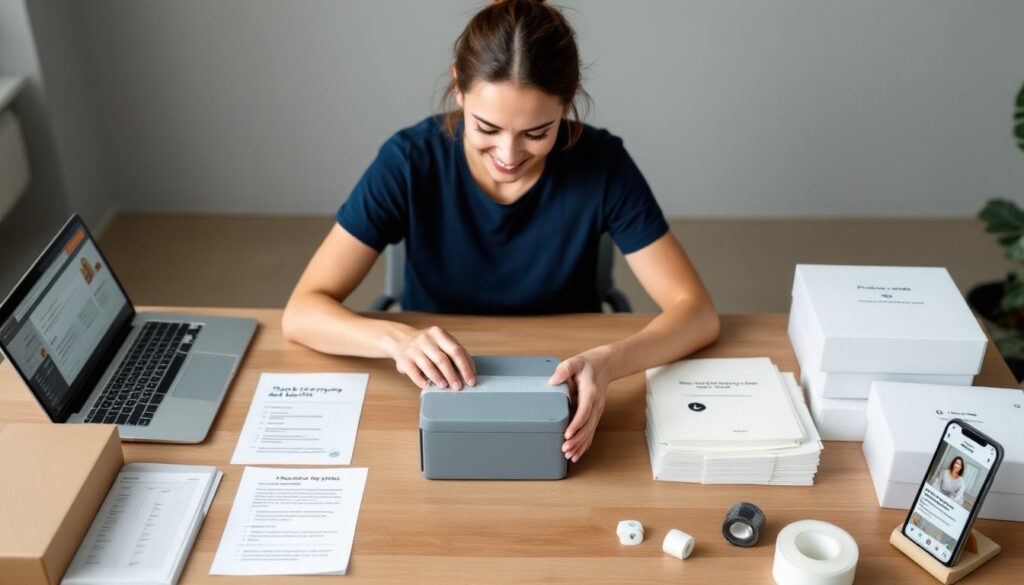
This playbook is for founders, ecommerce operators, and marketers who sell tools, hardware, decor, or small appliances and want measurable returns from creator activity. It explains exactly how to find DIY-aligned creators, send product samples without paying for placements, and convert organic posts into repeat partnerships. The steps are tactical and budget-conscious. By the end the reader will have a concrete first-week checklist to seed 50 creators, capture measurable signals, and decide which creators to scale into paid deals.
Key Takeaways
- Influencer product seeding involves sending free products to DIY creators without posting requirements to encourage authentic, organic content.
- This strategy is especially effective for home improvement products because real-life demos build trust and answer practical buyer questions visually.
- Identify ideal creators by manually searching platforms like TikTok, Instagram, and YouTube for engaged DIY-focused micro-influencers with relevant audiences.
- A successful seeding campaign requires clear goals, personalized outreach, and measurable tracking using coupon codes or UTM links to maximize ROI.
- Packaging with personalized notes, simple usage guides, and incentives for feedback significantly boosts the likelihood of creators posting authentic reviews.
- Measure success by organic post rates, engagement metrics, and conversion signals, then convert top-performing creators into paid partnerships to scale results.
What Is Influencer Product Seeding And Why It Matters For DIY Audiences
Influencer product seeding means sending free products to creators with no posting requirement to test fit and encourage organic content. For home improvement audiences this matters because homeowners, renters, and DIYers trust real-life demos that show durability, installation steps, and problem solving.
Product seeding is not a replacement for paid ads. It is a low-cost way to generate social proof, user-generated content, and unprompted reviews that perform well for consideration-stage shoppers. The objective is simple: get the product into hands of people who will naturally use it on-camera and whose communities mirror the buyer profile.
If a creator posts, that content serves as a test run. Brands can then convert high-performing, authentic posts into paid partnerships or reuse clips in ads with permission. This staged approach reduces wasted media spend and focuses paid dollars where organic traction already exists.
Why Product Seeding Works Specifically For Homeowners, Renters, And DIY Enthusiasts
Home improvement products are tactile and problem-focused. People want to see how a tool performs on a real job, how a paint finish looks under different lights, or whether an adhesive holds after a month. That makes DIY creators high-conversion partners.
Three practical reasons seeding works here:
- Visual proof matters. Unboxing, install, and before-and-after clips answer purchase questions faster than specs alone.
- Peer credibility beats branded claims. A renter showing a no-damage mounting solution speaks directly to that audience.
- Evergreen utility content keeps driving views. A how-to clip on fixing a leaky faucet will be searched for months.
Because of those factors, seeding supports both short-term conversion signals and long-term discovery for niche search queries on platforms like YouTube and TikTok.
How To Identify The Right Influencers Without Professional Marketing Tools
Goal: find creators who already make DIY content and have an engaged, relevant audience. Use manual searches on key platforms and a basic filtering spreadsheet.
Step 1. Platform searches
- TikTok: search hashtags like #DIYHome, #ToolReview, and specific sounds tied to tool demos. Use Creator Marketplace when available for quick match checks but do manual searches for smaller creators.
- Instagram: use Explore and niche hashtags such as #apartmentrenovation and #weekendproject. Open recent posts and watch videos for editing style and product focus.
- YouTube: search long-tail queries like “how to replace a faucet” and note creators who appear repeatedly. Suggested videos reveal related channels.
- Amazon: scan influencer storefronts and Amazon Live sessions for creators who test hardware or home products.
Step 2. Quick vet filters (apply in a spreadsheet)
- Niche match: at least three recent posts about DIY or home projects.
- Engagement rate: 2 to 5 percent for micro-influencers is typical. Calculate by averaging likes + comments divided by followers across last 9 posts.
- Audience signals: check comments for buyer intent and local vs national reach. Look for questions about where to buy.
- Past product mentions: creators who already review tools convert better.
Step 3. Shortlist size
Target 50 to 100 qualified creators for an initial campaign. That volume balances probability of organic posts with budget constraints. For the cheapest testing, prioritize micro creators (5k to 100k followers) because they have higher engagement and lower expectations for paid fees.
Designing A Practical Seeding Strategy That Drives Real Usage And Content
A good seeding strategy is built around use cases and measurable outcomes. Plan the experiment before sending a single box.
Step 1. Pick clear test goals
Decide whether the early goal is conversions, UGC capture, or product feedback. For conversion tests include a tracking method such as codes or UTM links.
Step 2. Product selection and volume
Send your most demonstrable SKUs. For tools pick items that are easy to use on camera. For decor pick pieces with strong visual impact. Seed at least 50 units if the goal is reliable organic posting rates.
Step 3. Personalize outreach
Reference a recent video and explain why their audience fits the product. Offer shipping and an optional follow-up call for product questions. Personalization increases acceptance rate dramatically.
Step 4. Follow-up cadence
Wait 10 to 14 days post-delivery, then send one polite message asking for feedback and offering creative freedom. If the creator shows interest, propose a paid test with a simple brief and KPI.
Include a link to a short brand page explaining the product and use cases to reduce confusion during unboxing and first use. For an example product seeding plan reference a concise product seeding strategy that outlines volume and follow-up timing.
Packaging, Messaging, And Usage Instructions That Encourage Authentic Reviews
Packaging and messaging determine whether recipients try the product on camera or stash it. Small investments here increase organic post rates.
Packaging tips
- Use a clean, easy-to-open box and add a handwritten note addressing the creator by name.
- Include a simple props list suggesting shot ideas such as “before and after” or a 30-second demo.
Messaging and guides
- Keep instructions under one page with 3 to 5 bullet steps. Visuals beat paragraphs.
- Provide a short permission statement that says the creator may post if they wish and grants reuse rights if they do. This sets expectations without requiring posting.
Incentivize feedback
Ask for a quick product review form online in exchange for a $10 gift card. Feedback increases product iteration and gives you quotes to use in follow-ups.
If teams want concrete creative prompts, they can adapt examples from product seeding examples to suit their SKU and audience.
Logistics, Legalities, And Tracking ROI On A Shoestring Budget
Logistics
- Ship via affordable carriers and batch shipments to reduce cost per unit. Include lightweight packing material to protect goods without adding much weight.
- Track deliveries with basic carrier tracking and mark expected follow-up dates in a spreadsheet.
Legal and disclosure
- Require creators to follow FTC rules and disclose when a product was received as a gift. Include a short line in your packet reminding them of disclosure rules.
Tracking ROI
- Use unique coupon codes and UTM-tagged links to measure direct conversions. Codes can be per-creator if the product price allows it.
- For brands without ecommerce tracking, use traffic spikes on product pages and promo code redemptions as proxies.
Budget hacks
- For low-cost tests use refurbished or demo units. Record serial numbers so replacements are manageable.
For structure ideas on running a product seeding campaign see a practical product seeding campaign blueprint that outlines tracking and timelines.
Measuring Results, Learning Fast, And Scaling What Works
Measure these signals and prioritize in this order: posted content, engagement per post, on-site traffic lift, and direct conversions.
Metrics and benchmarks
- Post rate: expect 10 to 30 percent of seeded creators to post organically in the first 30 days.
- Engagement: for micro creators use a benchmark of 2 to 5 percent: anything higher signals strong match.
- Conversion: a single creator conversion rate varies widely but watch for patterns where specific creator types drive both traffic and purchases.
Learning loop
- Capture all creative assets and tag posts by creator niche, format, and hook.
- Rank creators by engagement per 1,000 followers and traffic generated per post.
- Re-seed winners with paid offers: small flat fee plus performance bonus or higher affiliate cut.
Scale playbook
- Convert 10 to 20 percent of top performers to paid tests with clear KPIs such as clicks or sales.
- Replicate messaging, packaging, and creator type for future rounds.
Brands looking to formalize these steps can map them to the basic product seeding meaning to align teams on goals and metrics.