

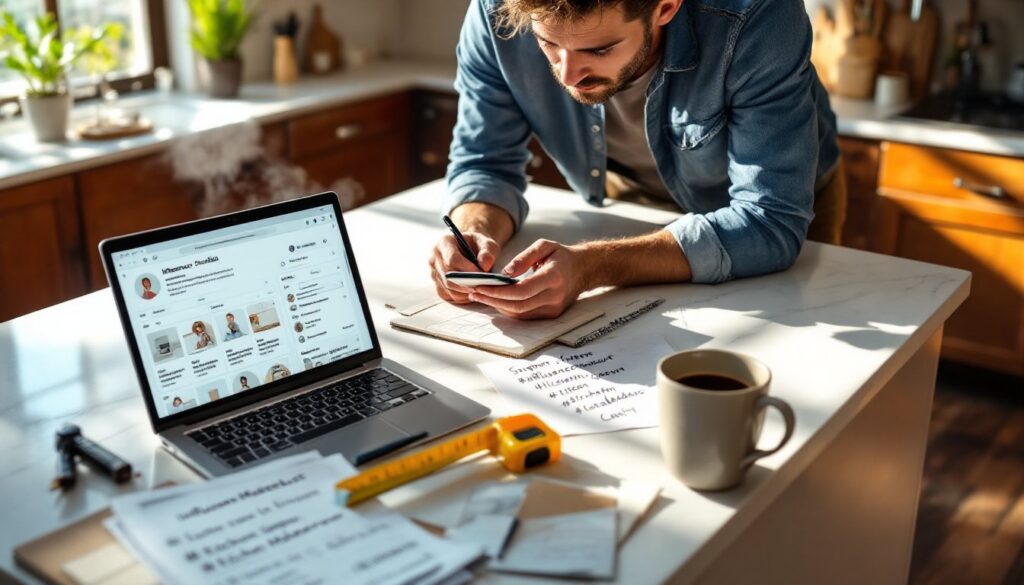
This guide is for homeowners, renters, and DIYers who want to get real results from Instagram partnerships without spending on influencer platforms. It shows exactly how to find, vet, and pitch Instagram creators who can promote tools, tutorials, and projects relevant to kitchens, bathrooms, gardens, and weekend renovation wins. No agency fluff. Follow these steps and they will have a shortlist of high-potential micro and nano creators to test within a week.
Key Takeaways
- To find influencers on Instagram for free, focus on searching relevant hashtags and keywords in bios related to your niche, such as #HomeDIY or #KitchenMakeover.
- Prioritize nano and micro-influencers under 50,000 followers as they offer higher engagement rates, practical demonstrations, and better local relevance for home projects.
- Vet potential influencers by calculating engagement rates from recent posts and evaluating comment quality to ensure authentic and engaged audiences.
- Reach out with personalized, concise DMs offering clear value propositions like product swaps, small fees, or affiliate links to establish partnerships without large budgets.
- Use simple contracts outlining deliverables, timelines, and disclosure requirements to set clear expectations and build long-term collaborations.
- Start with a shortlist of about 20 influencers, conduct small test campaigns, track results closely, and scale efforts only after confirming positive ROI.
Quick Overview: Who To Look For And Why It Matters For Home Projects
For home projects the best ROI often comes from nano-influencers (under 1,000 followers) and micro-influencers (1,000 to 50,000 followers). They trade lower absolute reach for higher engagement, practical demonstration, and local relevance. Aim for creators posting real project progress, before/after shots, tool tests, or step-by-step reels in tags like #HomeDIY #InteriorDesign #HomeRenovation.
Why that matters. Small creators convert better for purchase intent because followers see real use cases and local availability. Nano creators frequently get 6 to 12 percent engagement when their audience is matched. Micro creators commonly land in the 2 to 5 percent range. Those are practical benchmarks to use when comparing accounts.
If searching locally matters they should focus on creators who show location cues in captions, geotags, or frequent local hashtags. For hands-on tactics on local searches they can follow a short framework on how to find local influencers on instagram. That page outlines simple local filters and search patterns useful for home projects.
Step‑By‑Step Free Methods To Find Relevant Instagram Influencers
- Manual hashtag search. Start with 6 to 10 specific hashtags: project type plus format. Examples: #KitchenMakeover, #DIYCabinets, #GardenBuild, #ToolReview, #WeekendProject. Use Instagram‘s Recent tab to find creators actively posting. Save 20 profiles that post project detail, not just finished photos.
- Use keyword search in bios. Type phrases like “DIY”, “home project”, or city names into Instagram’s search box. Click Accounts and scroll. Profiles that list something like “DIYer in Portland” are high priority.
- Follow similar accounts. Open a strong profile, tap the three dots, then “About This Account” to get follower counts and history. Use the Suggested for You column under a creator to quickly find more similar creators.
- Free tools to expand lists. Use free tiers of tools to speed discovery. For micro-focused queries consult resources about how to find micro influencers on instagram to learn targeted filters and workflows. Another practical walkthrough for niche search is the guide on how to find instagram influencers in your niche which shows keyword-based scouting techniques and scraping avoidance best practices.
- Track brand mentions. Search your brand and product names in Instagram’s search to identify fans already posting. These are often the easiest conversions because they already own the product.
How To Vet Influencers Without Paying For Tools
Vetting without paid tools is about quick, repeatable checks.
- Engagement math. Check the last 12 posts and average the likes and comments. Calculate engagement rate = (likes + comments) divided by followers times 100. Expect 2 to 5 percent for micro creators and higher for nano creators. If engagement is below 0.5 percent they should be deprioritized.
- Comment quality. Scan the top 5 recent posts. Are comments real questions or single-word emoji? Real comments referencing project detail indicate a genuine audience.
- Audience signals. Use bios, captions, and geotags to infer where followers live. If most content is local or region-specific in language and tags it is better for nearby customer acquisition. For systematic location scouting and local sourcing workflows a practical reference is the piece on how to find influencers in your area.
- Content relevance. They should post helpful process shots, measurements, and tool notes rather than only staged photos. Look for patterns: frequency, format types (Reels vs static), and whether they tag product sources.
- Fake follower checks. Do quick checks: huge follower counts with tiny likes, comments repeating the same text, or an account that follows thousands but has few followers. For a deeper free audit they can consult guidance on how to find micro influencers which includes manual red flags and simple scripts to spot suspicious accounts.
- Past partnerships. Search captions for hashtags like #ad, #sponsored, or branded tags to see how they handle disclosure and commercial content.
How To Reach Out, Negotiate Trades, And Build Long‑Term Partnerships
- Outreach basics. Start with a short, personalized DM. Lead with a specific compliment and a clear ask. Example: “They like how your kitchen tile install video showed the step we need. Would they test our tile cutter in exchange for an honest review?” Keep it single sentence plus one line offering value.
- Offer structure. For budget conscious projects offer three options: a small paid fee, free product swap, or affiliate link with clear commission. Micro and nano creators will often accept free product or a modest fee plus affiliate for long term upside. Be explicit about deliverables: number of posts, format, timeline, and usage rights.
- Negotiation tips. Start low but fair. Typical micro creator rates vary widely. If they ask for a fee and it is beyond budget propose a trade: tools, gift card, or cross-promotion. If they want affiliate set a realistic commission and provide tracking links and a short landing page.
- Contracts and expectations. Send a simple one page agreement after verbal acceptance. Include deliverables, timeline, FTC disclosure language, and a kill clause for missed posts.
- Build for repeat. Track content performance and reward top performers with bonuses or larger product kits. For tactical outreach examples and templates on building long term creator lists they can review an operational guide to influencer marketing on instagram which provides outreach scripts and cadence suggestions.
Conclusion
Finding Instagram creators for home projects without paying for tools is a repeatable process: search deliberately, vet with simple math and context checks, and approach creators with transparent offers. Start with 20 profiles, run two small trades or paid tests, measure sales or leads, and scale only when specific creators show ROI. That pragmatic approach keeps costs low and results measurable.