

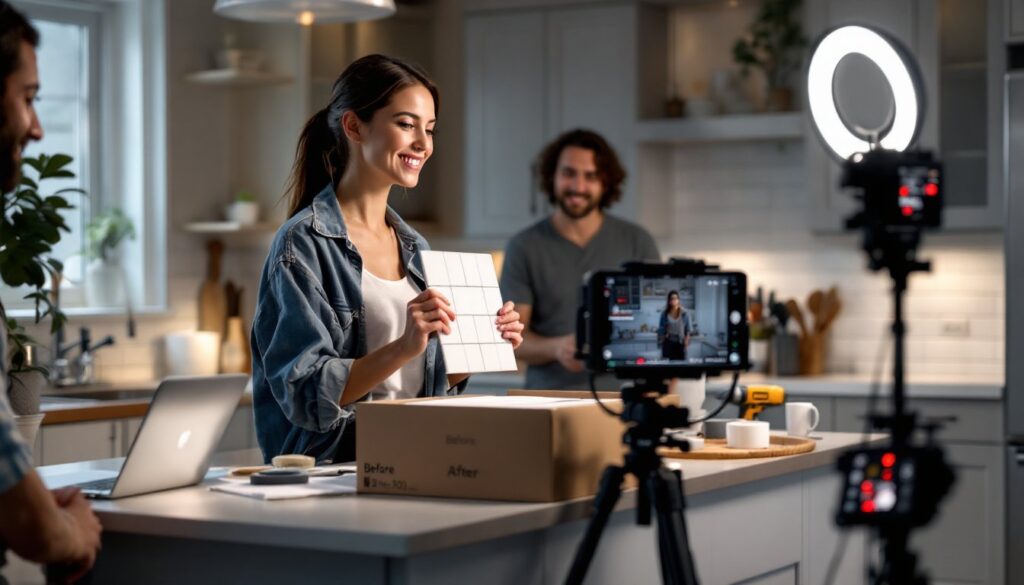
This guide is for founders, ecommerce operators, and DIY brands who need rapid, measurable results from influencer programs that drive home improvement sales. It focuses on execution: exact discovery methods, outreach scripts, deliverables, and metrics. Readers will get seven concrete examples they can carry out this quarter to increase leads, drive conversions, and avoid wasted spend.
Key Takeaways
- Micro-influencer before-and-after campaigns with short-form videos deliver high ROI by showcasing authentic home improvement transformations.
- Branded DIY tutorial series with creator co-hosting educate shoppers, reduce purchase anxiety, and drive conversions across platforms like TikTok, Instagram, and YouTube.
- Long-term brand ambassadors support seasonal renovation campaigns by building trust and increasing lifetime value through consistent, ongoing content.
- Local community takeovers leverage neighborhood creators and geo-targeted ads to boost foot traffic and in-store sales for home improvement retailers.
- Using unique affiliate codes and precise metrics like engagement rate, click-through rate, and assisted conversions enables measurable influencer marketing success.
- Start influencer efforts with micro-influencers, validate with tutorials, then scale top creators into ambassadors and local programs for sustained revenue growth.
Micro-Influencer Before-And-After Campaigns For Real Home Projects
Micro-influencers are the highest ROI entry point for home improvement brands in 2026. They cost less, convert better when relevant, and provide authentic before-and-after proof that shoppers trust. A practical model is short-form video series showing a single room transformed using one product category, such as smart thermostats, peel-and-stick backsplash, or compact space heaters.
- Selection criteria
- Target creators with 10k to 100k followers and 1% to 6% engagement rate. Higher engagement trumps follower count. Use the creator bio and recent posts to confirm project relevance. For discovery, combine manual search with tool filters to find niche creators quickly.
- Check content format: prioritize creators who already film DIY progress, room reveals, or product tests.
- Deliverables that work
- Two short videos: a 15 to 30 second before clip and a 30 to 60 second after clip. Include one unboxing or install moment.
- One 10 to 15 second follow-up Story or short explaining performance after one week.
- Distribution and measurement
- Use unique affiliate codes to track sales without inflating ROI with vanity metrics.
- Track conversions, cost per purchase, and view-through conversion where available.
Practical note: micro influencers scale fast with efficient outreach. For outreach templates and examples, brands often study proven outreach tactics used in broader programs like influencer outreach examples. Also review case studies on using many small creators in influencer marketing campaigns to design volume plays.
Branded DIY Tutorial Series With Creator Co-Hosting
A branded tutorial series pairs a subject-matter creator with a home improvement host to educate while selling. These feel less like an ad and more like a helpful how-to that ends with a clear product use case.
- Series format
- Four episodes of 60 to 180 seconds each. Episode 1 shows tools and planning. Episodes 2 and 3 cover execution. Episode 4 is results and tips.
- Co-hosting means splitscreen conversation, shared credits, and cross-promotion between the host and the brand account.
- Where to run
- TikTok and Instagram Reels for discovery. Use YouTube for longer cuts and how-to search intent. Optimize titles for intent keywords like “install peel and stick backsplash.” You can study best practices for platform-specific reach in guides such as influencer marketing on instagram and youtube influencer marketing.
- Why this converts
- Tutorials reduce purchase anxiety by demonstrating ease of install and expected outcome. They also create multiple touchpoints across search and social, which raises consideration and lowers return rates.
H3: Metrics To Track For Tutorial-Based Influencer Content
- Engagement rate on each episode. Expect strong creators to exceed 3% on short video and 8% on Stories.
- Click-through rate from bio/link and affiliate sales by episode. Measure revenue per view and revenue per click.
- View retention for longer tutorials on YouTube. High retention predicts search traffic and evergreen value.
- Assisted conversions across platforms to quantify lift.
Long-Term Brand Ambassadors For Seasonal Renovation Campaigns
Long-term ambassadors are the play for seasonal campaigns such as spring refresh, back-to-school dorm upgrades, or holiday hosting. They move from one-off posts to ongoing series that build trust, repeat exposure, and a narrative arc that boosts higher-ticket sales.
- How to choose ambassadors
- Prioritize creators with a consistent niche match, repeat content cadence, and audience overlap with your target shoppers. Expect to pay more, but measure by Lifetime Value uplift rather than single-post ROI.
- Balance macro creators for reach and micro creators for conversion in the same program.
- Deal structure
- Use a mix of monthly retainer and performance incentives. Affiliate commissions align incentives and prevent content devaluation.
- Include seasonal exclusivity clauses for 30 to 90 days around major launches.
H3: Contract Tips And Content Cadence For Ongoing Partnerships
- Specify minimum deliverables by month and content types, e.g., two Reels, one Reel with product tag, and two short-form updates. Avoid vague asks. Define approval windows and usage rights for paid ads.
- Add performance reviews quarterly to adjust scope and budgets. Start with a three-month trial before committing to a year.
- Consider cohort launches where multiple ambassadors post within a narrow window to trigger algorithmic momentum. For more campaign ideas and scaling tactics, use resources like influencer marketing campaign ideas and reference programs for small teams in influencer marketing for small business.
Local Community Takeovers: Renters, Neighborhood Builds, And Pop‑Ups
Local takeovers focus on neighborhood relevance. They work well for retailers with physical demos, rental-friendly products, or brands that run weekend pop-ups. The goal is hyperlocal credibility and foot-traffic conversions.
- Execution model
- Recruit local micro creators who are renters, neighborhood leaders, or DIY meet-up hosts. Ask for event coverage, workshop teaching, and post-event product demos.
- Keep production scrappy: a livestream install, two short recap Reels, and one carousel post for Instagram.
- Amplification
- Boost top-performing creator posts with local geo-targeted ads to reach nearby shoppers within a 5 to 20 mile radius.
- Use local UGC to populate in-store screens and email landing pages.
- Measuring impact
- Track foot traffic lift with promo codes redeemable in-store and by using unique local landing pages with UTM tags.
- Measure incremental sales over baseline weekends.
H3: Contract Tips And Content Cadence For Ongoing Partnerships
- Offer product loans or short-term rentals rather than full gifting to keep costs lower for higher-value items. For longer relationships, rotate creators quarterly to keep content fresh.
- For community programs, include clauses for local rights to use footage in ads and in-store displays.
- Look to programs that scale micro creator lists for inspiration, including collections of small creators documented in nano influencer examples and broader platform plays in influencer marketing.
Conclusion
These seven examples are tactical blueprints. Start small with micro before-and-after posts, validate with tutorial series, then scale top performers into ambassadors and local takeovers. The most important steps are precise discovery, tight briefs, and measurable incentives. Execute one example this month, measure sales impact, and iterate based on what actually moves revenue.