

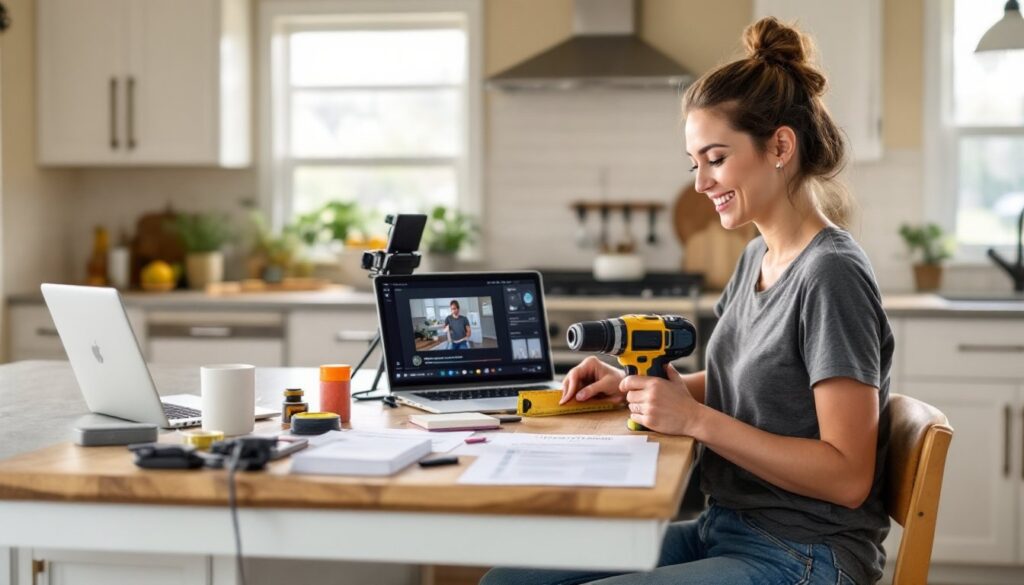
This guide is for homeowners, renters, and DIY creators who want to make real money and real results from user generated content. It explains what a UGC content creator does, how to find ideas that sell, and exactly how brands source, brief, and pay creators. The goal is tactical: go from filming your first phone-based demo to landing paid briefs without guesswork. Expect practical steps, platform-specific tips, and cheap workflows that work for people who do projects on nights and weekends.
Key Takeaways
- A UGC content creator produces authentic, short-form videos like unboxings and tutorials that build trust and demonstrate real product use.
- For homeowners and DIYers, UGC content effectively showcases how products perform in real-life renovations, driving higher engagement and conversions.
- Starting as a UGC content creator involves creating a consistent portfolio with formats like tool demos and before-and-after clips to attract brand interest.
- Monetize UGC content through flat fees, product trades, or affiliate links, with typical rates for beginners ranging from $50 to $500 per video.
- Using simple tools like a smartphone, tripod, and free editing apps enables creators to produce professional UGC clips efficiently at home.
- Brands prefer clear usage rights and concise vertical videos, often paying based on defined deliverables and measuring success through engagement and conversion metrics.
What A UGC Content Creator Actually Does
A UGC content creator makes short-form, user-style media that looks like something a normal customer would post. That includes unboxings, quick how-tos, honest tool reviews, before and afters, and short testimonial clips. The job is not about polished commercials. It is about trust, relatability, and demonstrating product use in the wild.
Practical day-to-day tasks include: planning a micro-script, shooting phone footage, editing a 15 to 90 second clip, and delivering raw files plus a finished video. Creators also keep simple usage rights and captions ready. Brands often ask for vertical clips, natural audio, and a clear product shot within the first three seconds.
UGC differs from traditional influencer content in intent and format. UGC aims for repeatable assets a brand can reuse in ads and product pages. If someone needs a primer on terminology, the article on ugc creator definition explains core roles and expectations in plain language.
Why UGC Matters For Homeowners, Renters, And DIY Brands
For people renovating a kitchen or tackling rental-friendly upgrades, seeing how real products perform in similar homes sells more than studio shots. UGC compresses trust: prospective buyers watch a short demo, imagine the result, and convert.
The format suits DIY because it shows steps, tools, and small wins. Compared with produced ads, UGC often has higher engagement and lower cost per conversion. Brands that want to scale customer acquisition use UGC to populate Amazon listings, social ads, and product pages.
If a creator needs a quick how-to on turning hobby footage into paid briefs, the page about become a ugc content creator outlines realistic first steps and common pitfalls. For brands deciding between paid creators and asking customers for reviews, the comparison in ugc creator vs influencer clarifies tradeoffs around reach and conversion.
How To Start, Create, And Monetize UGC For The DIY Niche
Step 1. Begin with a repeatable format. Pick one reliable angle like 30 second tool demos or 60 second project recaps. Consistency builds a portfolio brands can sample.
Step 2. Build a portfolio quickly. Film three projects: an unboxing, a 60 second step-by-step, and a before/after. Upload them to a simple portfolio page and keep original files organized.
Step 3. Pitch smart. Send one-sentence outreach with a direct link to the portfolio and a price. Start with small flat-fee offers and request a usage license. For more on launching this path, read become a ugc creator which maps first briefs and negotiation basics.
Step 4. Monetize multiple ways. Offer flat fees for ownership, lower flat fees plus product, or affiliate links for long-term revenue. Typical starter rates range from fifty to five hundred dollars per short video depending on usage rights and creator experience.
For a practical checklist on getting started quickly, consider the guide on how to become a ugc content creator which focuses on deliverables and contract basics.
Essential UGC Formats For Home Projects And Renovations
- Before and after videos. Show a project in 15 to 30 seconds with a clear reveal. These work on product pages and social ads.
- Step-by-step tutorials. Break tasks into 3 to 6 bite-sized steps with captions. These perform well on search and suggested feeds.
- Tool reviews and unboxings. Honest quick takes on power tools, adhesives, and hardware help buyers decide and drive affiliate clicks.
- Time-lapse renovations. Compress a multi-day project into 30 to 60 seconds to show impact without the tedium.
- Testimonial reels. Short statements about product performance combined with footage of the result increase trust.
For a maker who wants to move from hobby clips to professional briefs, the short primer on how to be a ugc creator explains which formats brands request most.
Simple Tools, Setup, And Workflow For Beginner Creators
Equipment. Use a modern smartphone, a small tripod, and a clip-on mic for cleaner audio. Natural window light and a reflector do more than expensive lights for most home shots.
Editing tools. Start with free apps like CapCut for vertical edits and basic captions. Export a raw clip and a trimmed deliverable. Brands sometimes want both.
Workflow. 1) Write a one-line brief. 2) Record multiple short takes. 3) Edit to 15 to 90 seconds with captions and a product close-up. 4) Export MP4 and upload to a cloud folder.
File naming and delivery matter. Use clear names with project, date, and usage limits. Include a simple text document with captions, timestamps, and suggested ad copy. This small extra step increases the chance of repeat work.
If someone needs a roadmap for acquiring those first briefs, the article on how to become a ugc creator has a practical workflow builders can follow.
How Brands Brief, Pay, And Measure UGC Success (Rates & Metrics)
Briefs should include deliverables, usage rights, and creative direction. Brands typically ask for vertical 9 by 16 videos, a 15 second cut for ads, and permission to use the asset in paid media for a defined period.
Payment models. Expect three common structures. Flat fee for full usage. Product plus lower cash fee for limited usage. Or revenue share/affiliate for ongoing sales. Beginner creators usually start with flat fees between fifty and five hundred dollars per clip depending on experience.
Key metrics. Track engagement rate and view-throughs for social performance. For conversion-focused briefs measure clicks and sales lift using UTM links or promo codes. As a benchmark, micro creators often see a two to five percent engagement rate. Higher engagement tends to convert better than raw reach.
Fraud checks. Brands vet creator audiences by looking at comments, audience repeat view behavior, and follower growth patterns. Ask for screenshots of analytics if a collaboration is strategic.
For detailed pointers on turning a hobby into a consistent income stream, the piece on how to become a ugc content creator lays out pricing and measurement examples.
Conclusion
A UGC content creator in the DIY space solves one problem: proving a product works in a real home. Start small, standardize formats, and build a portfolio of three reliable clips. Focus on easy-to-measure briefs, clear usage rights, and fees that scale as proof of performance appears. The fastest path to repeat paid work is consistent delivery and an organized portfolio brands can sample immediately.