

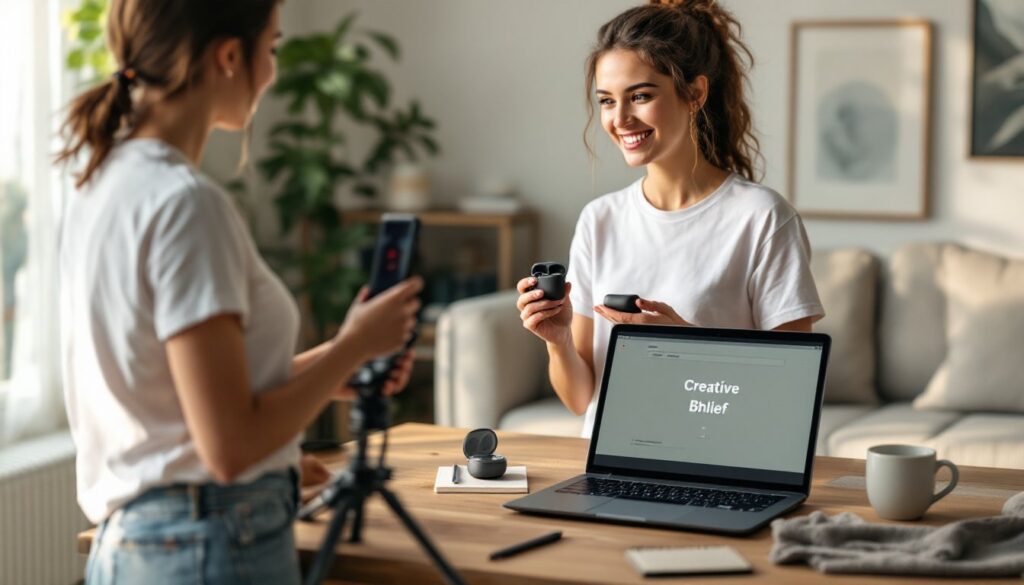
This guide explains what a UGC creator is, why brands pay for user-style content, and how creators and brands can work together to drive real results. It is written for practical operators who want to commission or become UGC creators without fluff. Readers will get clear definitions, the content types that perform best, essential creator skills and tools, proven workflows for discovery and briefs, fair payment and rights practices, and the metrics that actually move the business needle.
Key Takeaways
- A UGC creator produces authentic, peer-style content commissioned by brands to boost consumer trust and increase conversion rates.
- Short-form videos on TikTok and Instagram Reels deliver high engagement, while photo assets and reviews effectively support purchase intent on product pages.
- Essential UGC creator skills include concise storytelling, product-focused framing, trend awareness, and basic editing using smartphone apps.
- Brands find UGC creators through manual searches, marketplaces, and direct outreach, then use clear briefs and fair payment models to collaborate efficiently.
- Agreeing on usage rights and contracts covering delivery, exclusivity, and payment is crucial to protect both creators and brands.
- Tracking conversion metrics like cost per acquisition and running small ad tests helps brands optimize UGC campaigns and scale successful formats.
What Is a UGC Creator and Why It Matters
A UGC creator produces content that looks like an everyday customer post but is commissioned by a brand. That content can be short TikTok clips, phone-shot product demos, photos for a product page, or honest review videos. UGC creators differ from traditional influencers in that the emphasis is on relatability and conversion rather than on the creator s long-term personal brand. Brands hire UGC creators because consumers trust peer-style content. Recent industry data shows UGC can outperform polished ads by roughly 25 percent on campaign lift due to perceived authenticity. For a quick primer on the term and how it differs from other formats, brands often consult resources that explain what does ugc creator mean and what is ugc content creator to get aligned internal definitions before briefing creators.
Common Types Of UGC Content and Where They Perform Best
Use the format that matches the platform and the conversion goal. 1) Short-form videos. Typical formats: unboxing, 15 to 60 second demos, before-and-after clips. Best channels: TikTok and Instagram Reels for engagement and discovery. 2) How-to and tutorial videos. These drive consideration on YouTube and TikTok. Niche tutorials live longer on YouTube through search and suggested videos. 3) Photo assets and carousel posts. Use these on Instagram feeds and brand product pages for social proof. 4) Written reviews and testimonial snippets. These work on Amazon product pages and brand websites to support purchase intent. 5) Skits or lifestyle clips. Use them for top-of-funnel awareness on Reels and TikTok but focus the call to action on the product. For real examples and creative formats creators are using, reviewing curated content collections labeled ugc creator examples helps teams pick styles that match their creative brief.
Essential Skills and Simple Tools Every UGC Creator Should Know
Creators who consistently produce useful UGC share a short skills list. 1) Concise storytelling. The ability to show a problem, solution, and outcome in 15 to 60 seconds. 2) Product-first framing. Demonstrate real use rather than polishing the cinematography. 3) Trend literacy. Knowing which sounds, cuts, or hooks are converting now on TikTok. 4) Basic editing. Cuts, captions, and color correction. Tools need not be pro. Smartphones with steady lighting and apps like CapCut or InShot handle most video edits. For images, creators rely on Canva for quick layouts. Sound editing and native platform tools are often enough to make content platform-ready. People interested in formalizing this work often look for application processes and pathways, for example the ugc creator application resources that explain how to pitch and submit sample work.
How Brands Find and Work With UGC Creators
Brands find creators three practical ways. 1) Manual search. Use TikTok search by hashtag and sound, search Reels by hashtags and Explore, and browse niche YouTube channels for tutorial creators. 2) Marketplaces and platforms. Tools let brands filter by niche and content examples: teams use them to centralize briefs and assets. 3) Creator outreach via comments and DMs for scrappier budgets. After discovery the workflow is simple and repeatable. First, shortlist creators based on relevance and a quick portfolio check. Second, send a short brief that explains the conversion goal, required shots, and usage rights. Third, negotiate payment and a delivery schedule. For a comparison of creator roles and where UGC fits against influencer tactics, teams reference the ugc creator vs influencer piece to decide allocation between formats.
Payment Models, Rights, and Simple Contract Basics
Common payment models are flat fee per asset, tiered bundles (three 15 second clips plus a photo), affiliate or performance pay, and gifting for very low budgets. Benchmarks: micro creators often charge low four figures for exclusive, high-usage campaigns while a single non-exclusive short video can be a few hundred dollars. Always specify usage rights in writing. Typical brand asks: unlimited use for owned channels and paid social for a defined period, or full buyout for broader ad use. Contracts should cover delivery specs, edits, exclusivity, usage window, attribution, and payment schedule. For teams new to this, comparing expectations and legal basics against industry examples like ugc vs influencer contractual norms helps prevent scope creep. Do not assume posting is automatic unless the brief explicitly requires it.
How To Plan and Produce Effective UGC (Step-by-Step)
Follow this lean production workflow. Step 1: Define the objective and KPI. Is the goal clicks, landing page conversions, or Amazon sales? Step 2: Choose formats based on channel. Pick short demo videos for TikTok and Instagram Reels, detailed how-tos for YouTube, and clean photos for product pages. Step 3: Create a short creative brief. Include 3 required shots, 2 optional edits, key messaging, and a natural CTA. Step 4: Ask for raw files plus platform-ready cuts. Raw files let brands repurpose assets later. Step 5: Test small. Run 5 to 10 UGC assets in a low-budget ad test and measure CPAs. Repeat the format that lowers cost per purchase. If teams want a pipeline of creators, they catalog talent and opportunities using resources about ugc creator opportunities to scale sourcing and batch production.
Measuring UGC Success: Metrics That Actually Matter
Focus on performance metrics tied to business outcomes. 1) Conversion metrics. Track add to cart, completed purchases, and cost per acquisition for paid placements. 2) Engagement metrics. Use engagement rate as a sanity check. A 2 to 5 percent engagement rate is typical for micro creators: anything notably lower triggers further vetting. 3) Content efficiency. Compare CPA of UGC versus professional ads to decide where budget should go. 4) Attribution windows and incrementality. Run A B tests where possible to measure lift from UGC. 5) Asset reuse value. A piece that reduces later creative costs is worth extra budget. For teams deciding whether to invest more or scale, practical comparisons between UGC performance and traditional influencer campaigns are often informed by reading into ugc vs influencer performance breakdowns and studying creator case examples from sources that list ugc creator examples.