

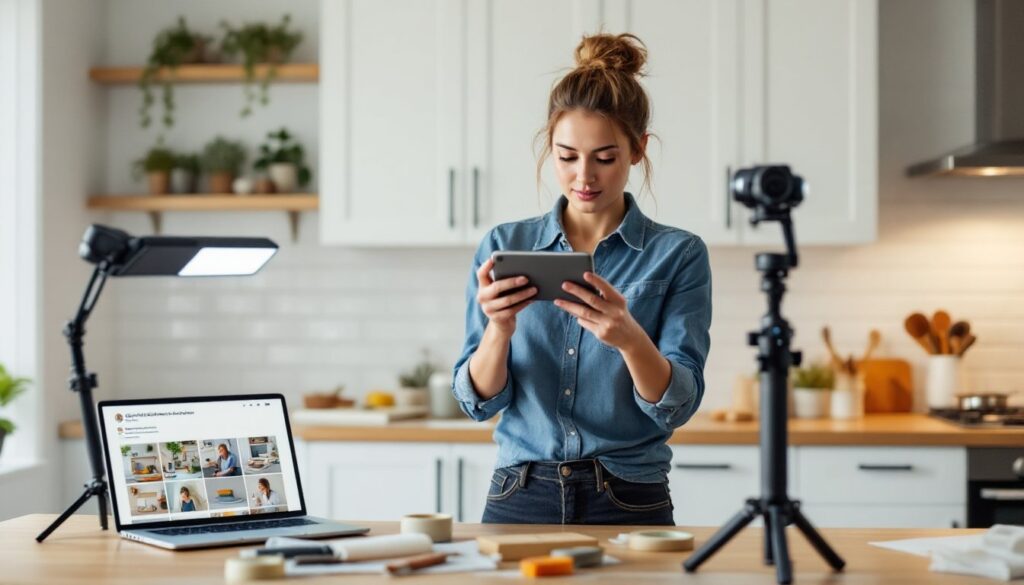
This guide is for homeowners, renters, and DIY creators who want to turn weekend projects into steady revenue. It shows the exact discovery, vetting, outreach, and pricing steps that land UGC brand deals in 2026. No fluff. No agency platitudes. Readers will get a lean method to find brand partners, prove value, and close paid UGC gigs that brands can reuse as ads.
Key Takeaways
- UGC brand deals focus on creating short, authentic content that brands can reuse across ads and social media, offering creators steady revenue opportunities.
- Home and DIY creators should build portfolios with diverse, real-life project videos to attract brands seeking genuine, lived-in product footage.
- Brands discover UGC creators through marketplaces, platform tools, and manual searches, vetting talent by content quality, audience engagement, and past usage rights.
- Effective pitches for UGC brand deals highlight specific results, offer clear deliverables, and include competitive pricing packages with defined usage rights.
- Creators must produce ad-ready content with good lighting, steady framing, and clear audio to meet brand expectations and improve conversion rates.
- Avoid common pitfalls like overpricing based on followers, unclear usage agreements, delivering incorrect formats, and neglecting performance feedback for repeat deals.
What UGC Brand Deals Are And Why They Matter
UGC brand deals pay creators to produce short, native-feeling content that a brand can reuse across ads, product pages, and socials. Unlike traditional influencer campaigns that focus on reach and posts, UGC deals prioritize repurposeable assets and performance. That matters for home and DIY creators because brands want real footage of a product in a lived-in setting: taped trim, a freshly painted backsplash, or a renter-friendly shelf install.
UGC performs because viewers trust peer content. Brands see higher conversion rates and lower production costs when they buy creator content instead of hiring a production studio. Creators gain predictable pay per asset and a simple path to scale by packaging video sets. For tactical background on brand deal mechanics, creators should review resources explaining how do brand deals work and the basics of brand deals.
How Brands Find, Vet, And Brief UGC Creators
Brands use three discovery channels: marketplaces, platform-native tools, and manual search. Marketplaces speed hiring, platform tools surface creators by behavior, and manual search is scrappier but often cheaper.
- Marketplaces and platforms brands use
- Creator marketplaces let brands filter by niche, past deliverables, and usage rights. Many search for creators with home-focused portfolios. See more on platforms that move brand deals via examples of content creator brand deals.
- On TikTok, brands use Creator Marketplace and hashtag searches to find creators making how-to builds. For TikTok-specific deal trends, brands review brand deals tiktok.
- Vetting workflow brands apply
- Check 3-5 recent videos for format match and lighting.
- Verify audience quality: look at comments, repeat viewers, and video view-to-follower ratio.
- Ask for raw footage sample or prior ad usage to confirm editing style and permission clarity.
- Briefing and expectations
A brand brief typically includes product context, target outcome (traffic or sales), required assets, and usage rights. Typical timelines are 1 to 3 weeks for 3 to 10 short videos. Contracts will ask for full usage rights for a set period. For reference on deliverable-heavy briefs and UGC used as ads, brands often consult notes on ads, ugc, platforms.
How Creators Land UGC Brand Deals
Creators land deals by building a small, proof-driven portfolio and pitching with clear outcomes. The goal is to look like a dependable short-form production resource, not just a poster.
- Build the right portfolio
- Produce 6 to 12 short videos that show different use cases: unboxing, install, close-up detail, before-and-after, and 15-second product benefit clips.
- Host them on a simple portfolio page or Linktree. Include view metrics and any conversion data you can claim.
- Discovery channels to use
- Marketplaces and outreach platforms are fastest for volume deals. Use them when starting to get paid quickly.
- Manual outreach works for niche home brands: target small DTC brands or category managers at larger companies. Find contacts via brand websites and LinkedIn.
- Positioning and offer structure
- Sell packages: three 15 to 30 second cuts plus a vertical and a widescreen take.
- Offer one free whitelisting clip at a reduced rate to prove ad performance.
For tactical help getting inbound interest and repeatable deals, creators should read guides on how to get brand deals. Also reference broad guidance on brand deals for influencers to understand overlapping expectations.
Outreach Pitch Template And Pricing Basics For Home And DIY Creators
Outreach works best when it is short, specific, and result-oriented. Use email for brands and DM for small founders. Personalize one line to prove assignments done.
Pitch template
“Hi [Name], I’m a home UGC creator who staged a similar product for [past brand], which increased add-to-cart rates. I can deliver 5 short videos showing install and final look. Rate: $350 per video or $1,500 for all 5 with full usage for 12 months. Portfolio: [link]. Available next week?”
Pricing benchmarks
- Micro-pack: $200 to $350 per video for single-use social clips.
- Bundle: $1,000 to $2,500 for 3 to 10 videos with 6 to 12 month usage rights.
- Whitelisting / ad-ready: add 25 to 50 percent to cover editing and performance licensing.
Negotiate by trading usage length for fee increases. Put all terms in writing. For examples of creator deal language and common structures, creators may compare models in articles about brand deals for content creators.
Best Practices For Homeowners, Renters, And DIY Creators
These are practical steps creators can carry out immediately.
- Specialize the portfolio
- Focus on real home setups with clear context: show a project from start to finish and note constraints like renter rules or tight budgets. Brands prefer realism over staged perfection.
- Shoot for ad-usable quality
- Good natural light, steady framing, and clear audio are nonnegotiable. A $100 LED light, smartphone on a tripod, and simple lav mic go a long way.
- Deliver with conversion in mind
- Include quick product shots, a clear use-case, and a 2 to 3 second product close-up. Brands turning UGC into ads need these exact moments. Background on what formats convert can be found in practical guides to ugc ads.
- Protect and scale your work
- Use a short contract that covers deliverables, payment schedule, revisions, and usage. Keep a rate card and an FAQ for common asks. For more on scaling and repeatable creator income, creators often review explanations of how do brand deals work.
- When to use platforms
- Use creator marketplaces for recurring small deals. Use manual outreach when approaching midmarket home brands that value niche authenticity. A practical list of deal routes is summarized in resources about content creator brand deals.
Common Mistakes To Avoid
- Overcharging on follower count instead of demonstrating asset value.
- Accepting vague usage terms: always get rights and duration in writing.
- Delivering raw vertical clips when brands need horizontal cuts for ads. Ask for format specs upfront.
- Not asking for basic performance feedback after campaign launch. Results fuel repeat work.
Avoid these and creators increase their hit rate for repeat deals.