

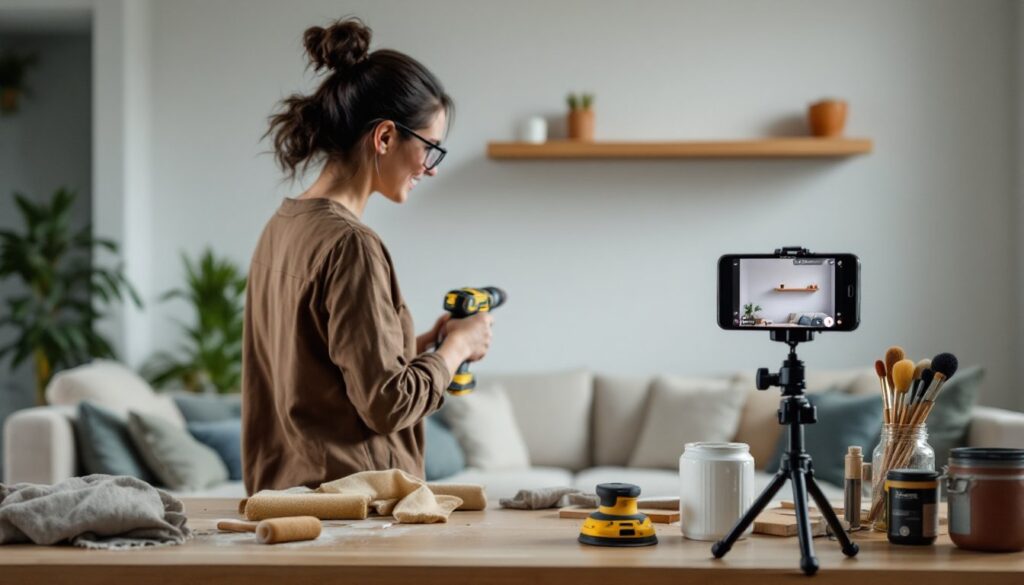
This guide is for homeowners, renters, and DIYers who want to turn everyday projects into user-generated content that drives traffic and conversions. It gives practical creator examples and ready-to-use formats that someone can film with a phone, basic tools, and a tripod. Readers will get quick formulas for before-and-after photos, short tutorial reels, and honest tool reviews that convert viewers into buyers. The focus is on execution: what to film, how to structure clips or captions, and which metrics actually matter for ROI.
Key Takeaways
- UGC creator examples like before-and-after photos, short DIY tutorials, and honest product reviews effectively boost trust and conversions for homeowners and renters.
- Consistent formats focusing on clear visuals, product details, and time/cost information make UGC more shareable and reliable.
- Short, authentic video testimonials that highlight pros, cons, and real tool use build buyer confidence and reduce purchase hesitation.
- Creators should film using natural light and simple setups to produce engaging content that fits multiple platforms like Instagram Reels, TikTok, and YouTube Shorts.
- Measuring key metrics such as affiliate clicks and sales helps track ROI and optimize future UGC creator content strategies.
- Starting with repeatable UGC creator examples enables scaling content efforts and turning viewers into loyal customers.
Why User-Generated Content Matters For Homeowners, Renters, And DIYers
User-generated content works because it shows real people solving real problems. For homeowners and renters, seeing a tool or material used in a similar space removes doubt and increases purchase intent. UGC also lowers production costs: a short reel or a set of before-and-after photos can outperform polished ads when the audience trusts the creator.
Practical benefits include higher conversion from demonstrated use, faster content production cycles, and easier scale when creators are customers, not hired actors. Brands and creators can turn small wins into measurable outcomes by focusing on metrics that matter: clickthrough rate from bio links, affiliate sales per post, and engagement that leads to website traffic. For a primer on creator positioning and how to present a portfolio, reference the ugc creator portfolio resource which shows how creators organize examples for brand review.
When starting, aim for repeatable formats that viewers can copy. That predictability builds trust and increases shareability. For teams hiring creators, the ugc creator definition explains the role clearly so briefs match expectations.
Before-And-After Photo Creator Example (Cleanup, Paint, Or Small Remodel)
A before-and-after photo set is the fastest way to show impact. The creator films the messy state, one mid-process shot, and the final reveal. Captions must include cost, time, and a product callout. Example caption: “Weekend sprucing: $45 paint, 3 hours, new closet shelves. Link in bio for the paint brand.” That level of specificity converts better than vague praise.
Shooting notes: use consistent framing and daylight when possible. Photograph the before and after from the exact angle. Add a short text overlay showing time and budget. For creators building an acceptance folder for brands, see examples in the ugc creator portfolio examples. This shows how to present multiple before-and-after case studies for different rooms.
Distribution tips: post the carousel on Instagram, a vertical clip for Reels, and a condensed version for Amazon product pages where relevant. If the transformation used a brand giveaway or samples, creators can link to the ugc creator application as part of their pitch to brands for repeat work.
Short DIY Tutorial Video Example (Quick Fixes And Weekend Projects)
Short tutorials are high-performing because they teach and prove a result quickly. The creator should pick projects that are visually clear and solve common pain points: patching a hole, fixing a leaky faucet, installing a floating shelf, or refreshing grout. The key is a tight hook, visible tools, and a clean before-and-after reveal. Format for TikTok and Reels is vertical, 15 to 60 seconds.
When the goal is conversions, include one product call-to-action in the final frame or caption like an affiliate link or a discount code. For creators pitching brands about performing UGC ads, reference how to structure platform-friendly spots in the ads, ugc, platforms guide. That article explains how UGC-style video differs when it must run as paid creative.
Fastest Way to Find DIY creators: search TikTok for problem hashtags combined with location tags, or use niche YouTube channels that focus on small remodels and weekend projects. If a creator wants ongoing opportunities, they should check ugc creator opportunities to see typical brand asks and recurring campaign types.
Product Testimonial And Honest Review Example For Tools And Materials
Honest reviews convert because they reduce buyer anxiety. The format is simple: unbox, first use, pros, cons, and a short verdict. The creator should show the tool in action on a real task and call out limitations, which builds credibility. Example takeaway: “This sander smoothed the trim quickly but the battery died on hour two. Good for small rooms, not whole-house jobs.”
Creators should include quantifiable claims where possible. Saying a drill drove 50 screws on a single charge gives practical context. Also add price range and recommended alternatives for different budgets. For creators packaging multiple testimonials, a page summarizing typical deals is useful: brands and creators often negotiate using a ugc brand deals reference to align expectations.
When filming, keep clips short and varied: close-ups of performance, a time-lapse of the task, and a clear verdict caption. That mix serves both organic feed viewers and paid ad placements.
30-Second Script Template And Shooting Tips For Authentic Reviews
Script template: “Hey, testing [tool name]. Out of box (4s), first use (10s), likes/dislikes (10s), final verdict (6s).” Keep language conversational and third person where appropriate. Avoid reading: speaking naturally increases trust.
Shooting tips:
- Use natural light and a clean background so the product stands out.
- Film vertical for Reels and TikTok and horizontal cuts for YouTube shorts if repurposing.
- Show evidence: quick close-ups of the tool working and a meter or measurement if applicable.
- Minimize jargon: explain a technical term once if necessary.
For creators who want to pitch tools to brands, compiling these short-form clips into a portfolio is essential. A strong portfolio links back to a clear ugc creator portfolio so brands can preview past work and performance metrics.
Conclusion
These creator examples are quick to execute and built for conversion. Homeowners and renters should pick one format, film with a phone and natural light, and measure affiliate clicks or product sales. Repeating the same format turns casual viewers into reliable buyers. If teams want to scale, start with before-and-after sets and honest tool reviews, then layer short tutorials as a way to drive ongoing traffic and sales.