

This guide is for homeowners, renters, and DIY creators who want to turn their projects into a small but valuable audience that drives traffic, leads, or product deals. It shows the concrete steps to go from zero to a reliable micro-influencer presence: picking a tight niche, producing repeatable content with everyday tools, growing an engaged following, and positioning for brand work. No fluff, no vague branding exercises. Read this and execute the checklist in the next 30 days.
Key Takeaways
- To become a successful micro influencer, choose a tight niche like budget bathroom updates for renters to target a specific audience effectively.
- Develop a practical content strategy with pillars of education, proof, and discovery, and maintain a consistent posting schedule to grow engagement.
- Use everyday tools like smartphones and simple editing apps to create high-quality content focused on clear, repeatable formats that showcase real results.
- Engage actively with your audience by responding promptly and collaborating with peers, leveraging platform features to boost discovery and follower growth.
- Track key performance indicators such as saves and clicks, iterating content based on what converts to prepare for monetization opportunities and brand partnerships.
- Execution is key: focus on consistent publishing, solving real problems, and building proof through honest results to establish your micro influencer presence.
Define Your Niche, Voice, And Target Audience
Pick one specific problem and one audience. For example, choose “budget bathroom updates for renters” rather than “home improvement.” A tight niche is easier to search for and to rank for in platform discovery. Start by mapping three things: 1) top projects they search for, 2) pain points (cost, time, no-permit), and 3) preferred formats (quick video, carousel, long-form tutorial).
Create a short audience profile: age range, homeowner or renter, budget range, and common constraints. That profile guides content choices and product fit. When setting expectations, note that smaller, focused audiences convert better than broad followings. If the reader needs a baseline primer, the page about what is a micro influencer explains the role and typical outcomes.
Voice matters more than polish early on. A practical, no-waste voice that signals credibility will win over viewers who are ready to act. Finally, baseline metrics help with targeting decisions. If the reader wonders about follower thresholds, this resource on how many followers does a micro influencer have provides common ranges and what to expect from each tier.
Craft A Practical Content Strategy And Schedule
Write a repeatable plan with three pillars: education, proof, and discovery. Education shows how to do a task step by step. Proof is before and after, results, and metrics. Discovery is behind-the-scenes and quick tips that reach new viewers.
Set a predictable cadence that the creator can maintain. For most DIY creators, publish 2 short videos and 1 photo post per week, or 1 long-form YouTube tutorial every 10 to 14 days plus short clips. Track one primary KPI such as saves or link clicks, not vanity metrics.
Use competitive research to find formats that work. Inspect similar creators for titles, clip length, and common hooks. For guidance on turning that audience into monetization, review fundamentals of micro influencer marketing to plan partnerships and expectations.
Keep it simple at first: batch record three projects in one weekend, edit with a phone editor, and schedule posts. Use a spreadsheet to track topic, platform, publish date, and performance so the creator can repeat winners and stop low-performers.
Content Formats And Ideas For Homeowners, Renters, And DIY Enthusiasts
Homeowners
- Before and after time-lapse with short captions about cost and timeline. 2. Tool teardown and safe usage tips for mid-range power tools. 3. Project budget breakdowns with receipts and supplier links.
Renters
- Damage-free upgrades like peel-and-stick tile installs, removable shelving, and window treatments. 2. Small-space organization challenges solved in under 10 minutes. 3. Rapid tests of products that promise quick change without landlord approval.
DIY Enthusiasts
- Step-by-step tutorials that list materials and common mistakes. 2. Upcycle projects using household items with clear measurements. 3. Comparison videos testing two similar products and declaring a winner.
Formats that perform: short vertical videos for quick wins, carousels to show process in photos, and 8 to 12 minute YouTube how-tos for deeper projects. If the creator plans to pitch brands later, read advice about how do you pitch a brand as a micro influencer to understand what proof brands expect.
Create High-Quality Content Using Everyday Tools
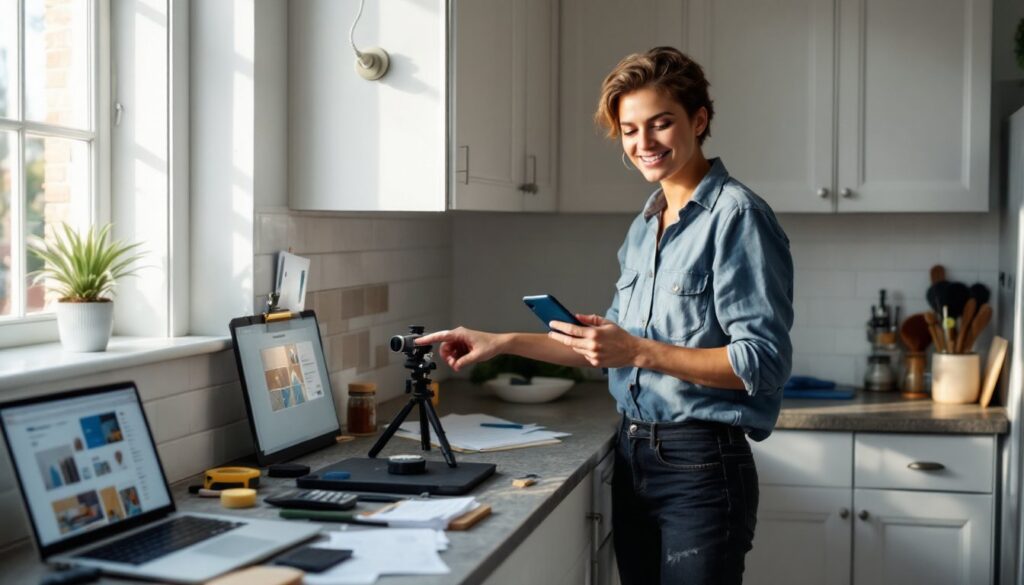
A smartphone, natural light, and consistent framing are often enough. Use a tripod or a makeshift stack of books to keep shots steady. For audio, a $20 lavalier can dramatically improve perceived quality. Edit on free apps such as CapCut for short vertical clips and DaVinci Resolve or phone editors for longer videos.
Shoot with intent. Plan 4 to 6 shots per project: wide context, close details, action step, failure point, final reveal, and a result shot. This makes editing fast and gives content variety across platforms. Optimize thumbnails and first 2 seconds of video to make viewers stop scrolling.
If the creator expects paid opportunities, prepare a media kit that lists audience demographics, top-performing posts, and standard pricing. For realistic pricing benchmarks, consult typical micro influencer rates so the creator does not undercharge or overprice when starting conversations.
Grow And Engage Your Audience Organically
Growth is concentrated effort on discovery plus consistent community work. Platform tactics to prioritize:
TikTok and Instagram Reels
- Use platform search and relevant hashtags. 2. Repurpose the same clip with different hooks and captions. 3. Post when the audience is active and respond within the first hour to boost ranking.
YouTube
- Target specific project keywords and include timestamps. 2. Upload a 1 minute short linking to the long form to funnel viewers.
Community-first habits
- Reply to every comment you can in the first 48 hours. 2. Save top comments and convert them into follow-up content. 3. Collaborate with peer creators in similar niches via cross-posts or split projects.
To convert followers into brand partners, document metrics and format wins. When the creator is ready to expand into partnerships or programs, they should learn options in micro influencer programs. For direct brand deals, review common structures for micro influencer brand deals to understand deliverables and timelines.
Conclusion
Becoming a micro-influencer is execution more than invention. Pick a narrow niche, publish consistently with a simple toolkit, and focus relentlessly on useful projects that solve real problems for homeowners and renters. Track what converts, iterate weekly, and start small paid or affiliate tests after 3 months of consistent posting. The quickest wins come from repeatable formats and honest proof of results.