

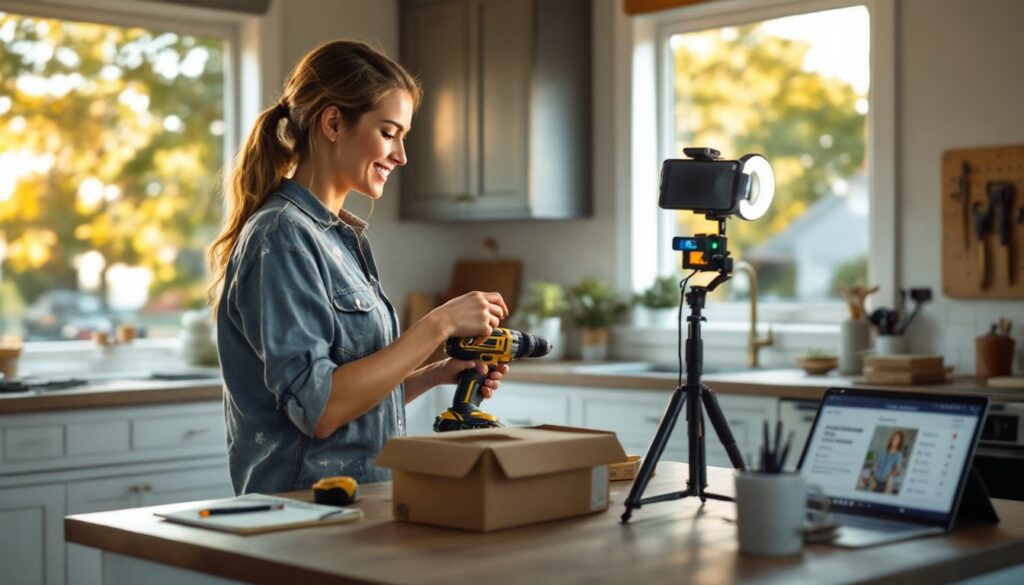
This guide shows founders, marketers, and ecommerce operators exactly how to set up micro-influencer programs that move product and drive completed projects for homeowners, renters, and DIY enthusiasts. It focuses on practical, low-cost workflows for discovery, vetting, outreach, and compensation so teams can launch a pilot in weeks. Readers will leave with a repeatable method that prioritizes engagement and conversions over vanity metrics.
Key Takeaways
- Micro-influencer programs focus on partnering with creators who have 10,000 to 100,000 followers and high engagement to drive authentic product conversions for home brands.
- These programs treat micro-influencers as distributed sales reps, tracking conversions via affiliate links or promo codes to optimize content that directly leads to purchases.
- Homeowners, renters, and DIY enthusiasts trust micro-influencers because they demonstrate products in real living spaces, providing relatable tutorials and localized advice that accelerate buying decisions.
- Use micro-influencers for education, demos, and local targeting, reserving larger influencers for broad awareness campaigns to maximize impact and budget.
- Launching a pilot program with 10 to 20 micro-influencers allows home brands to test product-market fit and scale the most effective content formats quickly and cost-effectively.
What Are Micro-Influencer Programs And Why They Matter For Home Brands
Micro-influencer programs are structured partnerships where brands work with creators who typically have 10,000 to 100,000 followers and above-average engagement. For home brands this matters because these creators live inside the exact rooms and neighborhoods that buyers do. They show tools in real-world contexts, film weekend projects, and surface product trade-offs consumers care about.
A practical program treats creators like distributed sales reps. That means tracking via affiliate links or promo codes, measuring conversions per post, and optimizing toward content types that actually drive purchases such as how-to reels, before-and-after compilations, and tool walkthroughs.
Micro-influencers regularly hit 1.5 to 6 percent engagement rates, and for niche home verticals that can climb higher. The tradeoff is reach versus conversion. A 25,000-follower creator who demonstrates an Ikea kitchen hack will often convert better than a 1 million follower celebrity who posts a single image. Design the program to reward results, not impressions.
Why Micro-Influencer Programs Work For Homeowners, Renters, And DIY Enthusiasts
Homeowners and renters make purchase decisions based on trust and demonstrated fit. Micro creators win because they show products in lived-in spaces and explain trade-offs in plain language. They also localize trends: a cold-climate insulation tweak, a small-apartment storage hack, or a garage workshop upgrade. That context matters for conversion.
Practical evidence: micro creators in home niches often produce step-by-step tutorials that viewers can replicate with a single trip to a local store or a same-day online order. For brands, that shortens the time between discovery and purchase.
If a brand is wondering when to use micro creators versus larger partners, follow this rule: use micro for education, product demos, and hyperlocal targeting: use macro only when the goal is scale awareness. For strategic entry points to launch pilots, consider writing a short brief and recruiting 10 to 20 creators to test product-market fit across neighborhoods. This tactic mirrors successful micro influencer campaigns used by consumer brands that saw measurable ROI from small-sample tests.
How To Build A Practical Micro-Influencer Program For Home & DIY
Below is an operator-level playbook organized from discovery to campaign content and compensation. Each step is actionable and budget-aware.
Conclusion
Micro-influencer programs are the fastest way for home brands to drive real DIY projects and measurable sales when they prioritize vetting, tracked incentives, and creator relationships. Start small, instrument tracking from day one, and convert top performers into ongoing partners. A tight pilot with 10 creators testing two content formats will reveal what scales, so launch the experiment and iterate.