

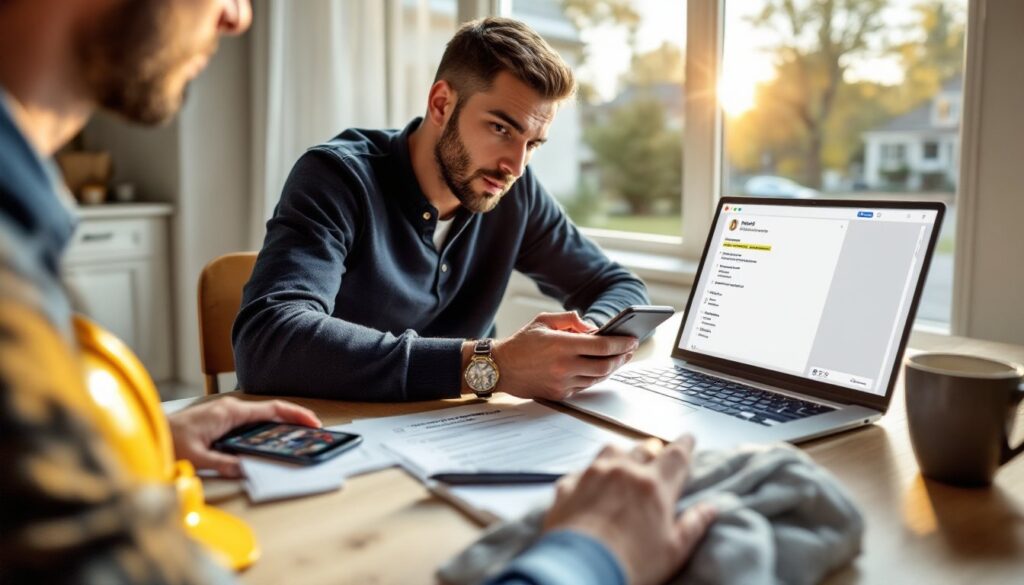
This guide is for homeowners, renters, and DIYers who follow creators for project ideas, product recommendations, or contractor referrals. It explains how influencer fraud works, the scams most likely to affect home projects, and quick verification and hiring steps to avoid wasting money or worse. Readers will get an operational checklist, platform-specific verification tactics, and simple outreach rules they can use today to vet a creator before trusting paid or unpaid advice.
Key Takeaways
- Influencer fraud in home projects can lead to costly mistakes, unsafe renovations, and scams, so verifying influencers is crucial for homeowner safety and budget protection.
- Common influencer fraud tactics include fake followers, undisclosed paid promotions, bogus reviews, and phishing scams targeting home improvement buyers.
- Homeowners can quickly verify influencers by auditing recent content, checking cross-platform consistency, calculating engagement rates, and requesting proof of analytics.
- Using fraud detection tools and searching reputation signals before trusting influencer recommendations helps reduce risks in purchasing products or hiring contractors.
- Always verify referrals by contacting previous clients, avoid sharing personal data without secure channels, and consider testing small purchases before committing to larger investments.
- Treat influencer endorsements like professional referrals by verifying, testing, and documenting to prevent wasted money and ensure genuine advice.
What Is Influencer Fraud And Why It Matters To Homeowners
Influencer fraud is any tactic creators use to misrepresent reach, engagement, or authority. For homeowners that means bad product picks, unsafe DIY instructions, overpriced contractor referrals, or outright scams that request deposits or personal data. Fraud ranges from fake followers and bot engagement to paid comments and forged testimonials.
Why it matters now: many creators monetize via referral links, affiliate payouts, and sponsored posts. A homeowner who buys a recommended tool based on inflated reviews can lose money and time. Worse, following faulty renovation advice can cause structural problems or safety hazards.
Home projects are high-stakes. Unlike impulse retail, renovations involve tradespeople, permits, and hardware that can cost hundreds to thousands of dollars. That shifts the risk from an annoying return to a tangible financial and safety exposure. Practical verification prevents wasted budgets and keeps projects on schedule and code-compliant.
For a deeper look at detection methods, homeowners can review articles about influencer fraud detection that explain common red flags professionals track.
Most Common Influencer Schemes That Affect Home Projects
Home-focused influencer fraud tends to follow predictable patterns. Knowing these schemes helps homeowners spot trouble fast.
- Paid product placement posing as independent advice. Creators accept affiliate fees or free products and fail to disclose them. This biases recommendations toward payout, not performance. Platforms require disclosure under current rules. See the ftc influencer disclosure guidelines for what proper disclosure looks like.
- Fake follower inflation. Accounts buy followers or use engagement pods to boost numbers. The result: lots of followers but few genuine buyers or commenters. Mid-tier creators, roughly 50K to 500K followers, have the highest incidence of this type of fraud because it scales economically for fraudsters.
- Bogus product reviews and storefront manipulation. Sellers or creators coordinate fake reviews to support a product claim. For homeowners, that can mean trusting a tool or material with manufactured praise.
- Phishing or deposit scams. A creator or account posing as a contractor requests deposits, bank details, or installers’ contacts outside secure channels.
Fastest way to confirm patterns of fraud is cross-platform consistency. Compare the creator’s Instagram, TikTok, and YouTube presence. If metrics mismatch wildly, treat the account as suspicious. For technical comparison methods and industry tool recommendations, review resources on top influencer fraud detection tools.
Fake Followers, Engagement Pods, And Bought Reviews
Fake followers are automated or purchased accounts that inflate follower counts without producing real views or purchases. Engagement pods are groups that coordinate likes and comments to simulate organic interest. Bought reviews are often low-effort comments praising a product with no detailed context.
Indicators that comments are fake: repeated short phrases, irrelevant emojis, or accounts with no profile photos and no posting history. A quick manual check: open 10 random commenters and look for posting frequency and content relevance. If most are empty or advertising other products, that is a warning sign.
Pods and fake reviews reduce conversion. A homeowner looking for a reliable circular saw or tile adhesive should prioritize creators whose comment threads contain specific questions, follow-up photos, or verified purchases. When creators appear scripted or comments are generic, homeowners should look elsewhere.
For industry perspective on behavioral patterns and examples, the article about how brands say they want authentic creators explains why scripted endorsements are common.
How To Verify An Influencer Quickly Before You Trust Their Advice
Homeowners need a fast verification workflow that takes 5 to 15 minutes. Use this step-by-step method before following advice or sending money.
- Manual content audit (3 to 5 minutes)
- Scan the creator’s last 30 posts for variety. Look for original project photos, process shots, and detailed captions. If posts are mostly reshared product images with sales links, that is a red flag.
- Read at least 10 comments. Real conversations with specific project details mean real audience.
- Cross-platform check (2 minutes)
- Compare follower numbers and posting cadence across Instagram, TikTok, and YouTube. Mismatched audiences suggest bought followers.
- Engagement math (2 minutes)
- Calculate engagement rate on a recent post: ((likes + comments) / followers) x 100. Benchmarks: micro-influencers (5K to 50K) should average 2 to 5 percent. Mid-tier 50K to 500K commonly fall under 1 to 3 percent for genuine accounts. Very high follower counts with sub-0.5 percent engagement are suspicious.
- Ask for proof (5 to 10 minutes if needed)
- Request a screenshot of native analytics or a recorded walkthrough of insights. Genuine creators can show post reach and demographics. If they refuse or supply doctored screenshots, walk away.
- Use a tool for a quick scan
- For a shallow check, run the account through a fraud assessment tool to get a risk score. Tools vary in price and accuracy. If homeowners want a curated tool list and comparisons, consult the writeup on influencer fraud.
- Search reputation signals
- Google the creator’s name plus terms like complaint, scam, or refund to surface public warnings. Also scan the comments for repeated buyer complaints.
Practical Checklist To Protect Yourself When Hiring Or Following Influencers
This checklist is pragmatic and fits a homeowner’s budget and timeline. Use it before paying for a product, hiring a recommended contractor, or relying on a how-to video.
- Never share financials or personal data without verified channels
- Pay contractors through traceable methods. If a creator demands bank transfers via messaging apps, that is a red flag.
- Ask for verifiable references
- If the influencer refers a contractor, ask for three past client contacts and confirm work by phone or email.
- Request analytics and references for sponsored claims
- For paid recommendations, ask the creator to supply campaign performance summaries and brand references. Transparent creators provide contactable partners.
- Track metrics in a spreadsheet
- Record follower counts, engagement rate, account age, posting frequency, and sample reach numbers. Compare expected reach to real campaign results post-purchase.
- Use detection tools before committing money
- Run a scan with a fraud tool when the budget justifies it. For homeowners investing hundreds or thousands into a recommendation, these tools can reveal hidden risks. See a collection of top influencer fraud detection tools for options that fit different budgets.
- Compare claims against product reviews and verified storefronts
- If a creator praises a product but the vendor’s storefront has poor verified reviews, treat the endorsement skeptically. For homeowners who rely on creator referrals for buying expensive gear or booking contractors, balancing creator claims with marketplace reviews reduces risk.
- When in doubt, test small
- Buy an inexpensive recommended item first or book a small consult with a referred contractor. Small tests limit downside and reveal whether the creator’s recommendations translate to real value. For broader advice on stacking the odds in influencer work, homeowners and small brand partners can read practical strategies like influencer marketing tips.
Conclusion
Influencer fraud is common in the home space but preventable with a few disciplined steps. Homeowners who run quick audits, insist on transparent analytics, and test recommendations with small purchases will avoid most scams. Treat creator endorsements like any other professional referral: verify, test, and document before committing significant money or personal information. Staying skeptical pays off in saved time and money.