

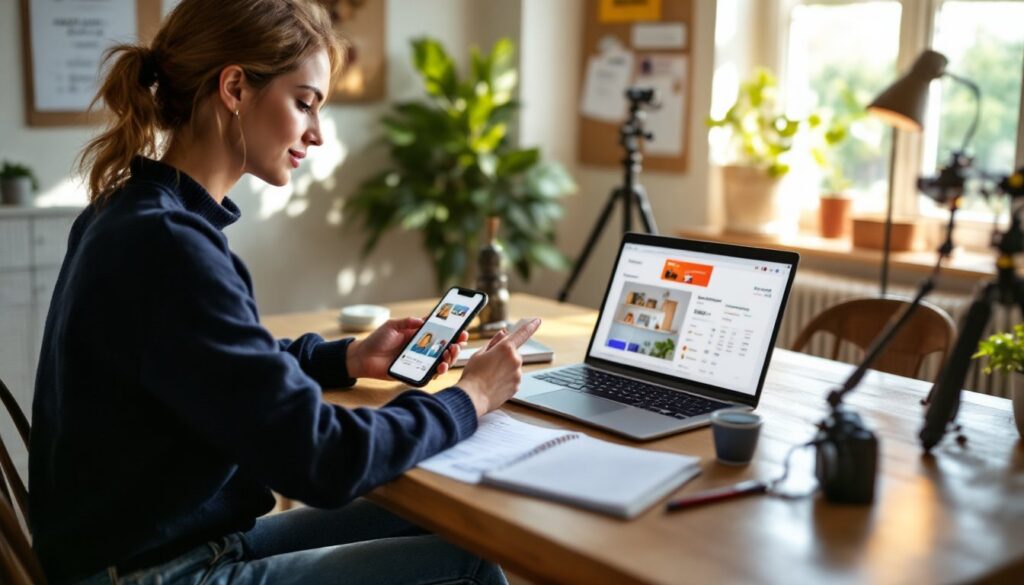
This playbook is for founders, marketers, and ecommerce owners selling home, renter, or DIY products who want measurable results. It explains exactly how to find, vet, and run a pilot influencer campaign that drives traffic and sales, not just likes. The steps assume limited budgets and prioritize nano and micro-influencers (1K to 50K followers) because they typically deliver higher engagement and better conversion for home and DIY categories. Read this to move from zero to a small, testable program within two to four weeks.
Key Takeaways
- Focusing on micro-influencers with 1K to 50K followers drives higher engagement and better conversions for home and DIY brands.
- Define your ideal influencer profile based on buyer demographics and content preferences to streamline your influencer search and outreach.
- Use manual platform search combined with tools like SparkToro and NinjaOutreach to discover and shortlist relevant influencers efficiently.
- Vet influencers by analyzing engagement quality, follower authenticity, and past branded content performance to ensure genuine audience connections.
- Run 30-day pilot campaigns using unique promo codes and tracked links to measure conversion rates and scale investment in top-performing influencers.
- Prioritize influencers whose audience aligns with your product niche and geographic location for maximum impact and ROI.
Why Influencer Marketing Works For Homeowners, Renters, And DIY Brands
Home and DIY content is inherently demonstrative. People watch to learn how to renovate, solve a renter problem, or style a small space. That intent makes creator content more likely to convert than broad brand ads. For this category, niche creators who show projects from start to finish drive trust and purchase intent. Micro-influencers with 1K to 50K followers often hit engagement rates in the 3 to 7 percent range and attract audiences who treat creators like trusted peers instead of celebrities.
Where the medium matters, TikTok and Reels excel at short product reveals and hacks, while YouTube handles long-form tutorials and step-by-step builds that influence purchase decisions for tools and materials. Instagram Explore and Pinterest still perform for aspirational styling but require higher production quality.
What works in practice: run a focused pilot with 5 to 10 creators showing the same project or product. Track click-through rate, promo code redemptions, and average order value. If one or two creators drive most conversions, increase spend there. Avoid spreading budget across 50 creators unless the goal is brand awareness rather than direct sales.
For quick reference on general discovery workflows, see a practical guide on how to find influencers for your brand.
Define Your Ideal Influencer Profile Before You Search
Before searching, the team must define who buys the product and what they watch. That profile focuses discovery and keeps outreach efficient. Build a one-page brief that includes demographics, project stages, typical budgets, and content types that convert for the brand. Use that brief to score creators during shortlisting.
Audience Fit And Follower Quality
Audience matters more than follower count. Target creators whose followers match buyer demographics such as 25 to 45 year olds, new homeowners, or renters in urban areas. Look for engagement in the 3 to 5 percent range for micro-influencers. Use comment quality to check for genuine audience interest: are followers asking where to buy materials or how-to clarifications? High-quality comments are a stronger signal than vanity metrics.
If location matters, prioritize creators in the same metro area or region. Local creators can drive store traffic, participation in workshops, or use of localized promo codes. For tactics on finding neighborhood-focused partners, consult a resource on how to find local influencers.
Content Style, Production Level, And Brand Values
Decide whether the brand needs polished tutorials, raw before-and-after sequences, or renter-friendly hacks. Match production level to product price: premium furniture needs cleaner visuals: quick-fix tools do not. Check creators for past paid posts. If every post feels scripted or the comments show repeated giveaway spam, skip them. Also confirm alignment on values like sustainability or budget-first solutions to avoid brand mismatch.
For guidance on prioritizing smaller creators who often outperform on trust, refer to advice about how to find micro influencers for your brand.
Where To Find, Vet, Outreach To, And Run Pilot Campaigns With Influencers
This is the action section. Treat discovery, vetting, outreach, and piloting as four separate mini-projects. Below are concise, repeatable steps for each.
- Discovery Tools, Hashtags, Local Networks, And Shortlisting Tips
- Manual search workflow. Start with platform-native search: on TikTok search hashtags and trending sounds, on YouTube search long-tail queries like “kitchen backsplash DIY install” and check suggested videos, on Instagram use Explore and 3-5 relevant hashtags. Manual search surfaces creators outside networks. For a deeper look at platform-specific discovery, see tips on how to find tiktok influencers.
- Tools to speed the process. Use a mix of free and paid: SparkToro for audience signals, Google Alerts for niche content, NinjaOutreach or Heepsy for bulk searches, and creator marketplaces for transactional deals. Use a spreadsheet to capture handle, followers, engagement rate, content type, and past brand deals.
- Hashtags and sounds. Search tags like #DIYHome, #RenterHacks, #BeforeAfter, and platform-specific sounds that perform well for reveals. On TikTok filter by recent and by view count to find creators with consistent momentum. On YouTube prioritize channels doing step-by-step tutorials in your niche and check upload cadence. For YouTube-specific search tactics, see guidance on how to find youtube influencers.
- Local networks and events. Check local Facebook groups, community pages, Nextdoor, and Craigslist creatives. Local home stores and co-ops sometimes sponsor demos and can introduce reliable creators.
- Shortlisting. Narrow to 10 to 20 creators. Score them across relevance, engagement quality, production fit, and prior brand performance. Favor creators who show real project results and have followers asking where to buy items. Prioritize those who accept product seeding or small paid pilots.
- Vetting: Quality Checks
- Verify follower authenticity by checking comment velocity and follower growth spikes. Sudden large follower jumps often indicate inorganic growth.
- Inspect past branded posts for disclosure and audience reaction. Low-quality comments on #ad posts are a red flag.
- Request audience demographics and a media kit from the creator when available. If they cannot supply any performance data, run a small paid post as a test.
- If a creator claims an audience in a specific niche, validate with sample Google Analytics or UTM-tagged traffic after a pilot.
- Outreach and Deal Structure
- Keep outreach short and personal. Open with a note about a specific post and a one-line value proposition. Offer two options: a paid pilot (flat fee + product) or a product-for-post pilot with clear performance incentives like a commission.
- Typical pilot sizes: product gift plus $150 to $500 for micro creators: $500 to $2,000 for creators closer to 50K depending on deliverables. Always include a clear deliverable list and tracking method.
- Running the Pilot and Measuring ROI
- Use unique promo codes and tracked links. Measure clicks, conversion rate, average order value, and return on ad spend equivalent.
- Run pilots for 30 days. If a creator delivers a CPA below your target, scale their allocation. If not, reassign budget and document learnings.
For broader niche discovery approaches, a walkthrough on how to find influencers in your niche can help refine search terms and shortlist criteria.
Conclusion
Start with a one-page influencer brief, find 10 to 20 creators using platform search and tools, and run 30-day pilots with tracked codes. Focus on micro-influencers who match buyer intent and verify audience quality before scaling. With a repeatable discovery, vetting, and pilot process, a small budget can produce measurable traffic and sales for home and DIY brands.