

Before a camera starts rolling, directors spend significant time imagining how a story will look on screen. Scene composition, camera movements, character placement, lighting, environments, and pacing all need to be planned before production begins.
Traditionally, filmmakers have relied on storyboards, concept art, shot lists, previsualization software, and production meetings to communicate their vision. These methods remain valuable, but they can also be time-consuming, especially when directors need to explore multiple creative possibilities.
AI is changing how filmmakers approach pre-production. Modern AI tools can help directors visualize scenes, experiment with cinematic ideas, create storyboards, explore camera angles, and develop visual references before moving into production.
The goal is not to replace the director’s creative decisions. Instead, AI acts as a creative partner that helps transform ideas into clearer visual plans.
For directors, the most useful AI filmmaking tools are those that support the entire creative process, from the first concept to a detailed scene visualization.
Here are some of the best AI tools helping directors plan scenes and visualize films.
1. Invideo Agent
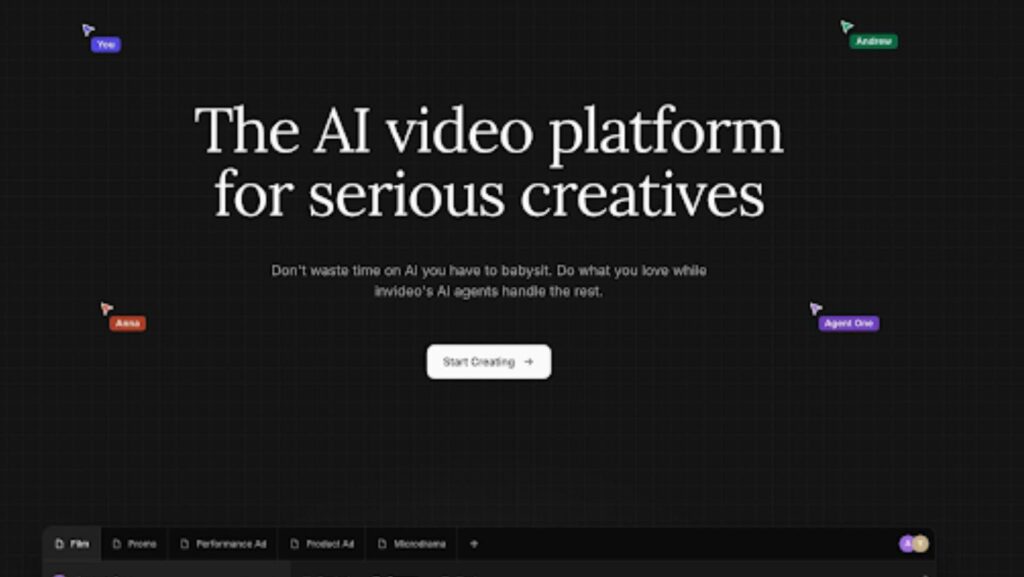
Invideo Agent is an AI filmmaking collaborator designed to help directors transform early concepts, scripts, and creative briefs into complete video projects. Instead of focusing only on generating individual shots, it supports the wider filmmaking process by helping with scene development, visual planning, generation, editing, and refinement.
For directors, this makes it useful during pre-production, where a story needs to be translated into clear visual sequences before cameras start rolling. It helps explore scene direction, character placement, environments, and cinematic approaches while keeping the overall creative vision connected throughout the project.
Key Features:
-
Converts concepts and scripts into structured visual ideas
-
Helps plan scenes, characters, environments, and storytelling flow
-
Supports visual exploration before production
-
Helps maintain creative direction across multiple scenes
-
Connects planning, generation, editing, and post-production workflows
Best For:
-
Directors developing film concepts
-
Filmmakers creating AI-assisted productions
-
Commercial teams planning cinematic campaigns
-
Creators building multi-scene video projects
Where It Falls Short:
Invideo Agent works best as a connected creative workflow rather than a replacement for traditional filmmaking roles. Directors still need to guide storytelling decisions, performances, and the overall artistic vision.
2. LTX Studio
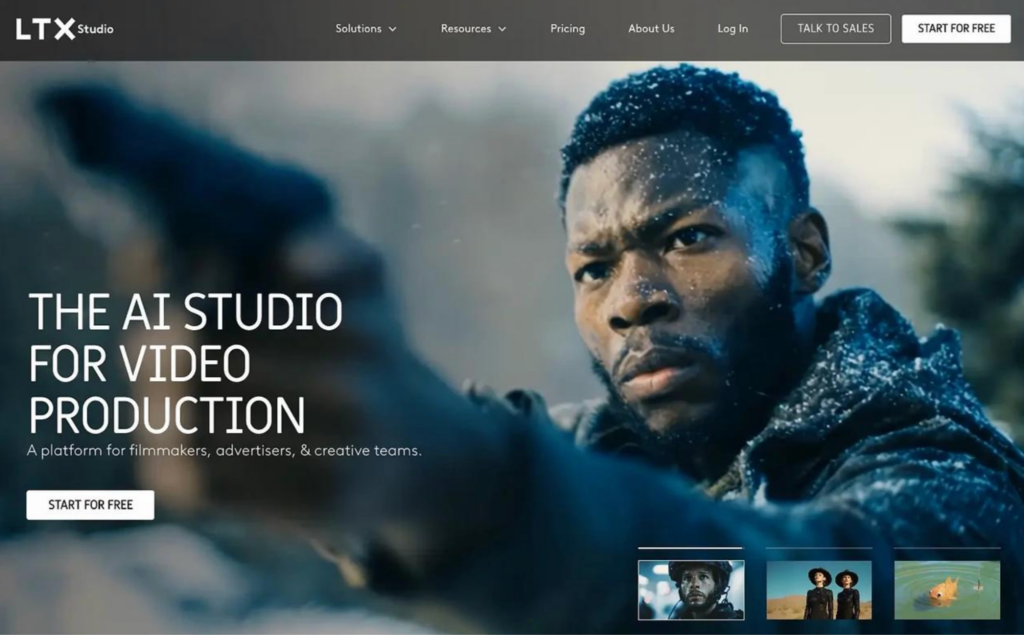
LTX Studio is an AI filmmaking platform that helps creators turn written ideas into visual story concepts. It allows filmmakers to explore scenes, characters, and story progression before moving into production.
For directors, LTX Studio can be useful during early development when they need to understand how a script might translate visually. It helps create a clearer picture of scene structure, character relationships, and overall storytelling direction before production resources are committed.
Key Features:
-
AI-assisted story development
-
Scene visualization
-
Character creation and consistency
-
Storyboard generation
-
Visual storytelling workflows
Best For:
-
Independent filmmakers
-
Screenwriters developing ideas
-
Directors planning narrative projects
-
Early-stage film visualization
Where It Falls Short:
LTX Studio focuses heavily on visual storytelling and planning. Directors working on larger productions may still require additional tools for detailed editing, final production, and advanced post-production workflows.
3. Runway
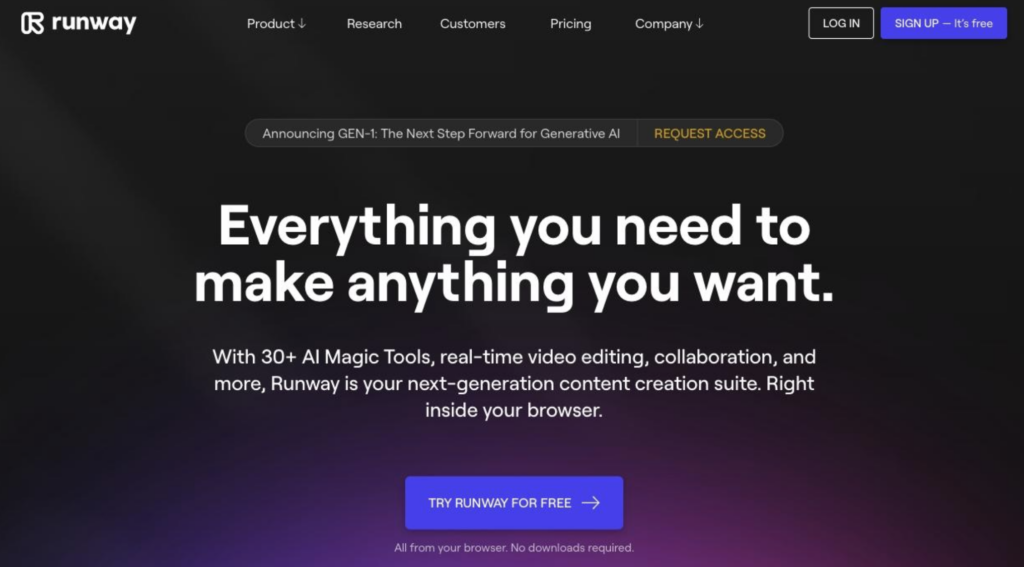
Runway is an AI video creation platform that helps filmmakers generate visuals, experiment with creative concepts, and explore cinematic possibilities. It is widely used by creative teams looking to test ideas before moving into full production.
For directors, Runway can support scene visualization by helping create environments, visual references, and early versions of cinematic shots. It allows filmmakers to explore different moods, styles, and creative approaches without needing expensive production setups.
Key Features:
-
AI video generation
-
Image-to-video creation
-
Generative editing
-
Visual effects tools
-
Creative scene experimentation
Best For:
-
Directors exploring visual concepts
-
Filmmakers testing cinematic ideas
-
Visual effects planning
-
Creative development teams
Where It Falls Short:
Runway is highly effective for visual experimentation but is not designed as a complete filmmaking workflow. Directors may need additional tools for organizing scenes, managing production details, and maintaining long-form project consistency.
4. Boords
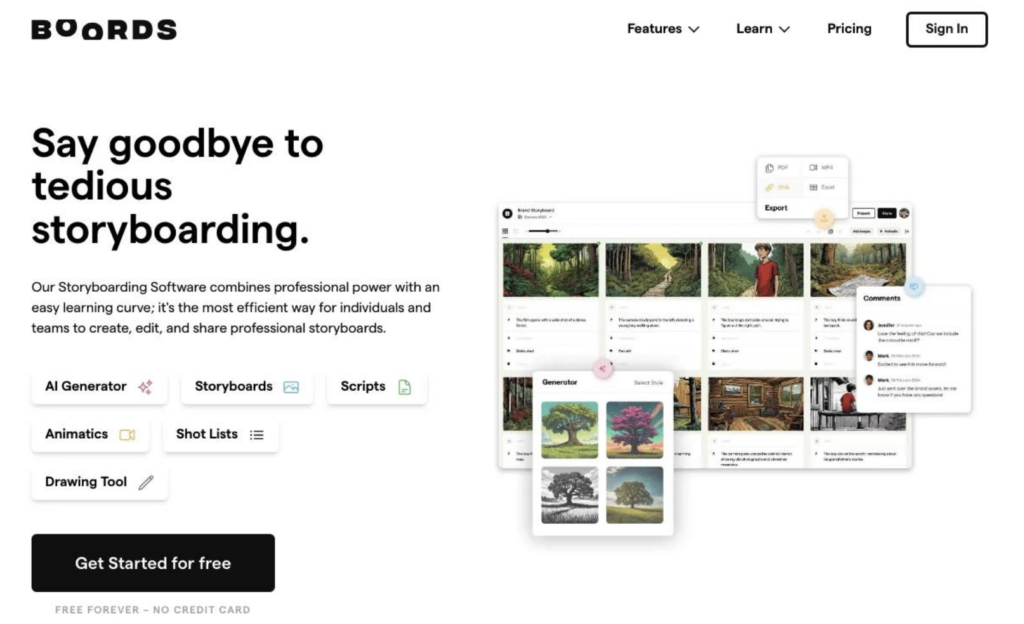
Boords is an AI-powered storyboard creation platform designed to help filmmakers visualize scenes before production. It focuses on simplifying the process of creating storyboards, shot plans, and visual references.
For directors, storyboards provide a way to communicate camera angles, framing, and scene progression with production teams. Boords helps speed up this planning stage by turning scripts and ideas into structured visual boards that can guide filming decisions.
Key Features:
-
AI storyboard generation
-
Script-to-storyboard workflows
-
Shot planning tools
-
Scene organization
-
Collaboration features
Best For:
-
Commercial directors
-
Advertising teams
-
Animation projects
-
Short film planning
Where It Falls Short:
Boords is mainly focused on storyboarding and pre-production planning. Directors looking for complete video generation, animation, or post-production capabilities will likely need to combine it with other creative tools.
5. Storyboarder
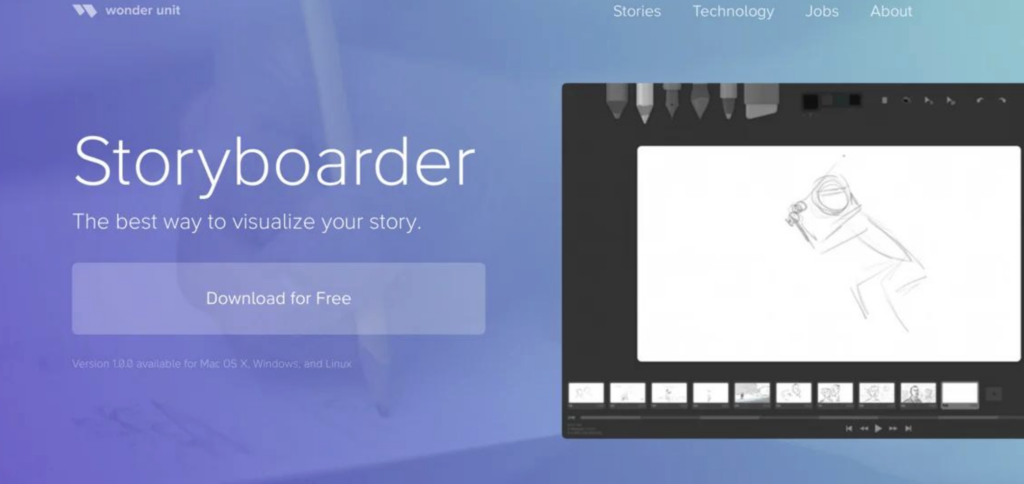
Storyboarder is a digital storyboarding tool designed to help filmmakers plan shots, organize scenes, and communicate visual ideas before filming begins. It provides directors with a simple way to map out camera angles, compositions, and scene flow.
For directors, this can be valuable during pre-production because it helps identify visual challenges early. By creating a clear shot plan, filmmakers can better coordinate with cinematographers, actors, and production teams before entering production.
Key Features:
-
Digital storyboard creation
-
Shot planning
-
Scene organization
-
Camera visualization
-
Production planning support
Best For:
-
Film directors
-
Animation creators
-
Short film projects
-
Visual storytelling teams
Where It Falls Short:
Storyboarder is useful for planning but does not provide advanced AI generation or automated filmmaking workflows. Directors looking for AI-powered scene creation and video production may need additional solutions.
6. Midjourney
Midjourney is an AI image generation platform commonly used by filmmakers for creating concept art, visual references, and mood boards. It helps directors explore the look and feel of a project before production begins.
For film visualization, Midjourney can help develop ideas around characters, locations, costumes, and cinematic styles. These visual references can support conversations between directors, production designers, and creative teams while shaping the overall aesthetic of a film.
Key Features:
-
AI-generated concept art
-
Visual style exploration
-
Character references
-
Environment design inspiration
-
Mood board creation
Best For:
-
Film concept development
-
Production design planning
-
Creative exploration
-
Visual direction
Where It Falls Short:
Midjourney focuses on still images rather than complete video workflows. Directors can use it for visual development, but additional tools are required for scene movement, animation, and production planning.
How AI Helps Directors Visualize Scenes Before Production
One of the biggest advantages of AI in filmmaking is reducing uncertainty during pre-production.
Before filming begins, directors can explore:
-
Scene composition
-
Camera positioning
-
Lighting approaches
-
Character placement
-
Environment design
-
Visual styles
This allows creative teams to make decisions earlier and avoid costly changes during production.
AI visualization also helps directors communicate ideas more clearly. Instead of explaining a scene only through words, they can show visual references that represent the intended mood and style.
AI and the Future of Previsualization
Previsualization has always been an important part of filmmaking, especially for complex productions involving action sequences, visual effects, or large environments.
AI is expanding what previsualization can achieve by making it faster and more accessible.
Directors can now experiment with:
-
Different camera movements
-
Multiple scene versions
-
Alternate visual styles
-
Character interactions
-
Environment designs
This allows filmmakers to approach production with a clearer understanding of their creative direction.
Why Scene Planning Matters More in AI Filmmaking
AI can generate impressive individual shots, but creating a complete film requires consistency.
A strong visual workflow needs to maintain:
-
Character identity
-
Lighting style
-
Camera language
-
Story progression
-
World-building details
Without proper planning, scenes can feel disconnected.
This is why AI filmmaking tools that support context, references, and connected workflows are becoming increasingly important for directors.
How to Choose the Right AI Tool for Film Visualization
The best tool depends on the director’s workflow and project requirements.
Some tools are designed mainly for storyboarding and planning, while others focus on visual generation or complete video workflows.
Directors should consider:
-
Type of project
-
Level of visual detail required
-
Collaboration needs
-
Character consistency requirements
-
Production complexity
For simple concept exploration, image and storyboard tools may be enough. For larger projects, connected workflows that support planning, creation, and editing can provide more value.
Final Thoughts
AI is changing how directors approach film visualization and pre-production. Instead of waiting until production begins to test creative ideas, filmmakers can now explore scenes, characters, and cinematic styles earlier in the process.
The strongest AI filmmaking workflows do not replace the director’s vision. They help transform that vision into clearer plans, stronger visual references, and more efficient production decisions.
As AI tools continue to evolve, directors will have more opportunities to experiment, collaborate, and bring ambitious cinematic ideas to life before the first camera is even switched on.