

This is a hands-on guide for homeowners, renters, and DIYers who want measurable results from influencer work. It walks through a fast method to go from zero to a tested influencer partnership for a single home project. The focus is on platforms, concrete search workflows, cheap scrappy options, and how to avoid wasting money on vanity metrics. Read this to find and vet creators who drive clicks, leads, or purchases for paint jobs, furniture upcycles, landscaping, and small remodels.
Key Takeaways
- Clarify your goals, audience, and budget before searching to ensure you find the best influencers who meet your project needs.
- Prioritize platforms based on project type: TikTok for fast conversions, YouTube for detailed tutorials, and Instagram for aesthetic inspiration.
- Evaluate influencers by assessing audience fit, engagement quality, conversion evidence, and authentic content rather than just follower count.
- Use micro-influencers with 10K to 100K followers to maximize ROI and achieve measurable results within a modest budget.
- Track outcomes with unique promo codes, UTM links, or affiliate setups to measure influencer impact and avoid wasting money on vanity metrics.
- Keep outreach concise and clear, offering flexible collaboration types and performance bonuses to align incentives and foster effective partnerships.
Why Influencer Marketing Works For Home Projects
Home projects are inherently visual and procedural. People want to see a before, the steps, and the realistic result. That makes creators uniquely positioned to convert viewers into buyers or leads. Influencers show tools in use, share materials lists, and often include product links or discount codes that track conversions. For many home categories the buyer journey is short. A 60 second demo for a peel and stick backsplash can lead to an order the same day.
Where influencer work is effective it is because of three things happening together: targeted reach, practical demonstration, and measurable call to action. Targeted reach reduces waste because a tile or paint creator speaks to people actively interested in projects. Practical demos reduce friction: viewers understand how to use the product. Measurable CTAs like UTM links, promo codes, or Amazon storefront links let a homeowner know whether the creator drove purchases or just views.
Expectation setting is important. Influencer marketing for home projects usually moves KPIs like traffic and conversions faster than awareness alone. But it is not free. Paid placements, product costs for demos, and logistics for on-site projects add up. The goal is to find creators whose audience and content format match the project and that can be tracked to real outcomes.
Clarify Your Goals, Audience, And Budget Before You Search
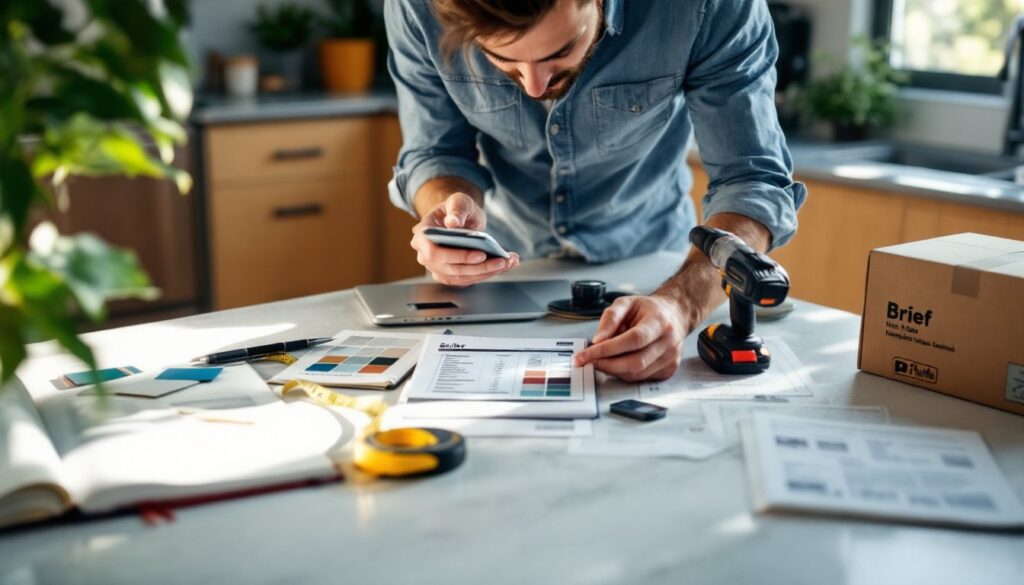
Start with a one-page brief before any search. It forces clarity and prevents expensive scattershot outreach.
- Objective. Pick one primary KPI: direct sales, lead signups, store visits, or site traffic. Don’t mix multiple primary KPIs for the first test.
- Audience. Define age, location, and intent. Example: homeowners 30 to 45 in the US who search for weekend DIYs.
- Offer and funnel. Decide whether the creator will link to an Amazon listing, landing page, or coupon code. This affects platform choice and tracking.
- Budget. Break it into creator fees + product/sample shipping + ad support. For a pilot, allocate a minimum of $1,000 to $3,000 depending on scale. Use micro-influencers (10K to 100K) to maximize ROI when budgets are tight.
With this brief, searching is focused. If the aim is fast conversions through short-form video, prioritize TikTok creators who can place links or codes. For longer how-to content that demonstrates installation, prioritize YouTube channels. For aesthetic-driven product placement, Instagram creators still matter.
Best Platforms And Places To Find Home Improvement Influencers
Different platforms serve different stages of the buyer journey. Use the platform that matches the project.
- TikTok. Fast discovery and conversion for small to mid-ticket items. Search by relevant hashtags, trending sounds, and the Creator Marketplace. Start with keyword and hashtag combinations like “peel and stick backsplash”, “weekend DIY”, and product-specific queries. For step-by-step methods on the platform, see guidance on how to find tiktok influencers.
- YouTube. Best for complex projects that need long-form tutorials or project documentation. Use channel niche search, suggested videos, and playlists. If the project requires an installation walkthrough, prioritize creators who consistently publish before/after content and product links. For specifics on searching YouTube creators, reference materials on how to find youtube influencers and how to find influencers on youtube.
- Instagram. Useful for aspirational and aesthetic projects. Search Explore, saved collections, and niche hashtags. Micro accounts with strong saves and saves-to-follow ratios often convert better than large accounts with low saves.
- Amazon influencer storefronts and reviews. If the project is product-heavy, creators with Amazon storefronts, frequent Amazon Live sessions, or credible review histories can move purchase-ready shoppers quickly.
- Local sources. For on-site collaborations or region-specific projects search community Facebook groups, local YouTube channels, and neighborhood-focused creator lists. For methods oriented to regional creators consult resources about how to find local influencers.
How To Evaluate Influencers Quickly And Reliably
When time is limited use a filtered, repeatable checklist. Focus on signals that predict action, not vanity.
- Audience fit. Does the creator post about projects similar to yours? Check recent 10 posts for relevance.
- Engagement quality. Calculate engagement rate across last 10 pieces of content. For micro-influencers a 2 to 5 percent engagement rate is typical. Watch comments: are they questions about tools or products, or generic emojis?
- Conversion evidence. Do posts include tracked links, codes, or mentions of purchases? Prior collaborations with clear CTAs are a plus.
- Production consistency. Look for repeatable formats that align with your needs: quick demos for TikTok, detailed installs for YouTube.
- Audience authenticity. Run a light audit: look for follower spikes, bot comments, or mismatched follower geography.
Speed tip. Use a spreadsheet that records username, platform, followers, engagement rate, sample post link, and whether they have used affiliate links or storefronts. That gives a one-page shortlist to outreach.
Content Quality, Authenticity, And Niche Fit — A Simple Checklist
- Visuals. High resolution video or images that clearly show the project. Prioritize creators who film process steps rather than only finished shots.
- Practical detail. Materials lists, timestamps, tool names, and where to buy items. These increase likelihood of conversion.
- Voice and credibility. Creators who admit mistakes and show problem solving are more trusted than ones who always present perfect outcomes.
- Niche specificity. A landscaping creator who focuses on backyard firepits will outperform a general home decor influencer for firepit sales.
- Platform match. Match content length to platform: short, snappy clips for TikTok: longer walkthroughs for YouTube: high-quality stills and Reels for Instagram.
Cross-checks. If a creator claims ‘previous brand success’, ask for a case study or link to tracked results. When tracking is unavailable, request a discount code with a unique identifier so you can measure direct sales.
Outreach, Collaboration Types, And Negotiation Tips For Home Projects
Keep outreach short, specific, and outcome-focused. Use email when available: otherwise DM with a clear one-paragraph pitch.
- Outreach template. Briefly state the project, the KPI, the deliverable you want, and the compensation range. Example: “Looking to commission a 60 second install demo for a peel and stick backsplash with a unique code for sales. Budget $1,200.” Attach product details and a link to a brief.
- Collaboration types. Paid post, affiliate (percentage per sale), gifting with affiliate, product seeding plus performance bonus, or mixed campaigns where a base fee plus CPA bonus exists. For risky creators propose a trial paid post plus affiliate upside.
- Negotiation tactics. Start with a range, not a fixed number. Offer creative freedom but be explicit about required tags, link placement, and timeline. Offer bonuses for performance thresholds to align incentives.
- Logistics. For physical items include clear shipping instructions, insurance for expensive items, and a delivery window. For on-site builds clarify who supplies tools and liability coverage.
Extra reading. For platform-specific outreach playbooks on TikTok see how to find influencers on tiktok and how to find tiktok influencers for search workflows and contact practices.
Common Mistakes to Avoid
- Chasing followers instead of relevance. Large reach with low intent wastes money.
- Not tracking outcomes. No UTM links, unique codes, or affiliate setups means no learning.
- Overcomplicating briefs. Long, prescriptive scripts kill creator authenticity.
- Skipping a small paid test. Free gifting only rarely yields performance data.
- Ignoring logistics. Late product delivery or unclear instructions ruins timing for seasonal projects.
Fastest win. Run one small paid micro-influencer test with a product code and a $500 to $1,500 budget. Track results and scale the combos that work.