

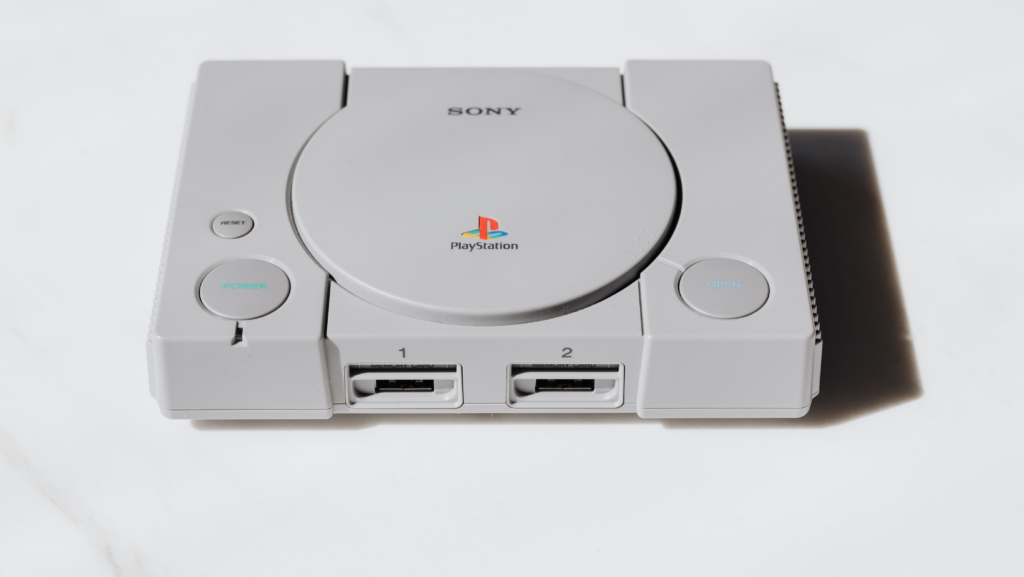
What happens to all your old tech when the new stuff comes in? You know—the phone with the cracked screen you swore you’d fix, or that laptop from college now gathering dust like a museum piece. Most of us have a drawer (or three) stuffed with digital leftovers, a graveyard of gadgets once loved, now forgotten. But in an era hyper-focused on sustainability, security, and smarter living, letting tech rot in a drawer is not just lazy—it’s a missed opportunity.
The Growing Pile We Can’t Ignore
Personal technology moves fast—faster than fashion, and arguably faster than common sense. Every fall, a new iPhone drops. Every spring, laptops sprout extra cameras and AI-powered features. As we chase upgrades, we leave behind a trail of still-functional devices. According to the Global E-waste Monitor, the world generated over 62 million metric tons of electronic waste in 2022, a figure expected to rise sharply with trends in remote work and smart home adoption.
But it’s not just a numbers game. These unused devices contain rare metals, sensitive data, and serious environmental consequences. Keeping them idle not only clutters our homes—it contributes to one of the fastest-growing waste streams globally. So what do we actually do with old tech?
Sell, Don’t Stall
There’s a smart solution that often hides behind our laziness: resell your unused devices. Not only does it clear space, but it also puts money back in your pocket and keeps devices in circulation. A win-win.
People frequently ask, where can I sell my laptop when they finally decide to part with it. The answer is refreshingly simple. Marketplaces like Swappa, Gazelle, Decluttr, and even Best Buy’s Trade-In program offer convenient ways to offload gently used devices. Some platforms give instant quotes; others let you list for direct buyers. If your tech is newer or well-maintained, you could make a surprisingly decent profit—often enough to offset your next upgrade.
Don’t wait until the battery won’t hold a charge or the OS is obsolete. The best resale value comes when your tech is still relatively current. And if your device is too far gone? Reputable e-recycling services can handle it responsibly. Just don’t toss it in the trash—or worse, back into that drawer.
The Data You Forgot You Left Behind
Before you hand over that tablet or smartwatch, pause. Digital devices don’t just hold photos and contacts—they may also contain sensitive emails, tax documents, passwords, and even stored credit card details. Wiping your device clean is not optional. It’s essential.
Factory resets are a start, but not always sufficient. For hard drives, consider using secure erase tools or even physically destroying the drive if the device won’t turn on. Smartphones often sync data to the cloud, so double-check that nothing remains locally. It’s easy to think no one would bother snooping through your five-year-old tech, but in an era of data breaches, even small leaks matter.
This is one reason many people hoard devices: fear of data loss or theft. But with smart practices and the right tools, you can sanitize your tech and send it off worry-free.
Donations That Actually Help
If selling feels like too much effort, donating old tech can be a meaningful alternative. Schools, nonprofits, shelters, and community centers often rely on donated laptops and tablets to help bridge the digital divide. With remote education and hybrid work now fixtures of modern life, access to tech is more than a luxury—it’s a necessity.
Organizations like Computers with Causes or The National Cristina Foundation specialize in tech donations. They’ll even help you get a tax write-off. Just remember, generosity doesn’t excuse irresponsibility. Always wipe your device clean before giving it away. Giving someone a laptop is generous. Giving them access to your Amazon account? Not so much.
When Recycling Is the Ideal Move
Some devices are truly at the end of the line. That cracked Android from 2014? Probably not coming back. But even these shouldn’t go into the trash. E-waste contains hazardous materials like lead and mercury. Tossing them into landfills risks contaminating water and soil.
Recycling tech properly ensures that valuable materials—like gold, silver, and cobalt—can be recovered and reused. Best Buy, Staples, and Apple all offer take-back programs. Many local governments also host annual e-waste drives. These programs often accept not just phones and laptops, but routers, cables, printers, and even smart home gear.
The process is usually simple. Drop off your gear, feel morally superior for five minutes, and walk away knowing you did something good for the planet. No complicated forms. No shame spiral over your 2009 netbook.
Think Before You Upgrade
Tech companies love to tell you it’s time to upgrade—every year, ideally. But is it? The environmental cost of manufacturing new gadgets is significant. Mining rare earth metals, shipping parts globally, and assembling shiny new phones all create carbon footprints far larger than most people realize.
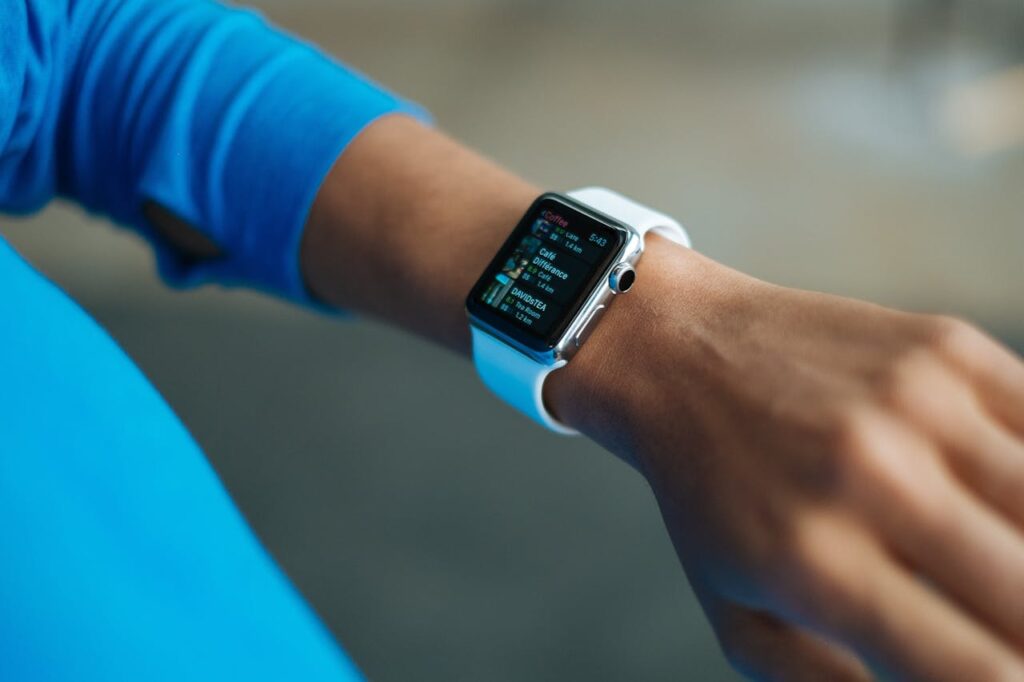
If your current device still works, hold onto it a little longer. Update the software, replace the battery, clear the cache. A little maintenance can go a long way. Not every lag is a death sentence. And not every camera needs to have lidar.
This isn’t anti-tech—it’s pro-smart consumerism. Buying better, less often, can be a surprisingly radical act in a culture of endless consumption.
A Smarter Future Starts at Home
The way we treat our old tech is a reflection of how we think about progress. We’re quick to celebrate innovation, but less enthusiastic about its aftermath. A smarter world isn’t just filled with smartwatches and smart thermostats—it’s built by people who handle their old tech smartly, too.
Teaching kids how to responsibly manage devices, modeling sustainable habits, and making conscious choices about what to buy (and when to let go) are all part of this evolving equation. As technology becomes more embedded in every corner of our lives, these habits aren’t just practical—they’re essential.
The next time you’re tempted to shove your old phone into the junk drawer, stop. You’re not just avoiding clutter—you’re ducking an opportunity to make smarter choices. Whether you sell, donate, recycle, or simply resist upgrading for another year, doing something is better than letting your tech silently fade into oblivion.