

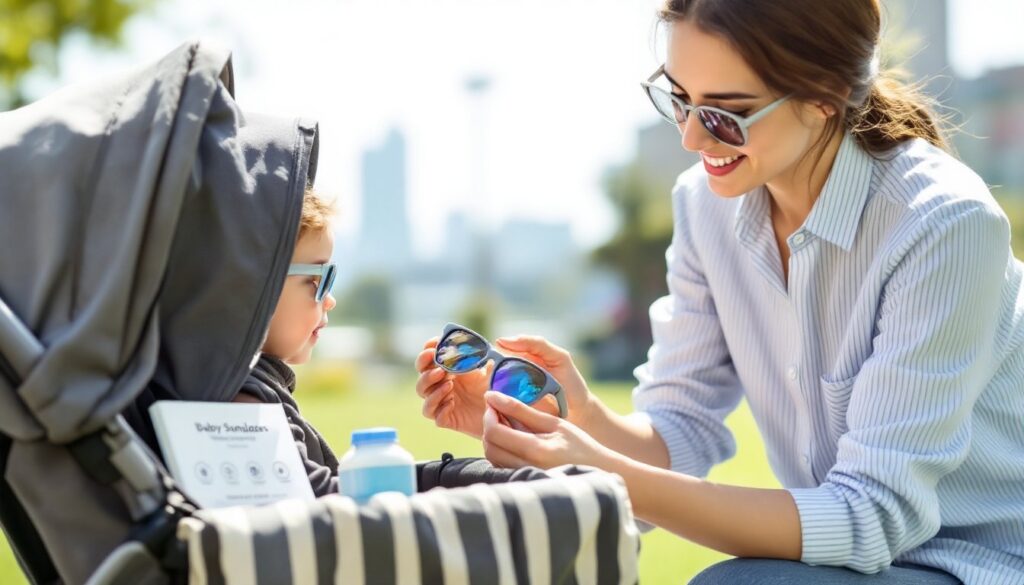
Parents who game late-night raids or stream tournaments still want the best for their kids’ eyes. In 2026, the right baby sunglasses combine verified UV protection standards, comfortable fit for squirmy infants, and durable materials that survive playground RNG. This guide cuts through marketing fluff to explain why UV matters for developing eyes, how to choose according to age and activity, and which practical features, straps, lenses, cleaning, keep shades working long-term. Recommendations are version- and standards-aware (UV400, CE marks, EN ISO 12312-1 where relevant) so readers get concrete, up-to-date guidance.
Key Takeaways
- Choosing the best baby sunglasses with verified UV400 protection is essential to shield infants’ sensitive eyes from harmful UVA and UVB rays.
- Prioritize a comfortable, secure fit with flexible, non-toxic materials like polycarbonate lenses and silicone frames to ensure babies keep their sunglasses on.
- Look for certified sunglasses with CE or EN ISO 12312-1 marks to guarantee compliance with safety and UV protection standards.
- Opt for practical features such as adjustable straps, lightweight construction, and impact-resistant lenses to enhance durability and comfort during active outdoor play.
- Regularly clean and inspect baby sunglasses to maintain UV protection and replace them if coatings peel or frames warp for lasting eye safety.
- Selecting baby sunglasses that balance verified UV protection and comfort helps prevent both short-term discomfort and long-term eye damage effectively.
Why Baby Sunglasses Are Important: Eye Health, UV Risks, And Development
Children’s eyes let in more UV than adult eyes, lens and eyelid pigmentation are still developing, so cumulative exposure in infancy can raise long-term risk. Studies and ophthalmology guidance (including pediatric recommendations echoed by the American Academy of Ophthalmology) note that about 80% of lifetime UV exposure happens before age 18. That’s not a lobby talking point: it’s why families need sunglasses with verified UV blocking from day one.
Key facts to anchor decisions:
- UV rating: UV400 blocks UVA and UVB up to 400 nm. That’s the baseline to seek, anything less is a compromise.
- Standards: Look for CE on products sold in EU/UK and EN ISO 12312-1:2013 compliance for sunglasses. For US buyers, confirm claims of UV protection with independent tests or reputable brands: ANSI has standards more focused on impact for safety eyewear.
- Developmental sensitivity: Infants’ crystalline lenses transmit more UV, increasing retinal exposure. Retinal tissue is more susceptible to damage early in life, which links to later cataract and macular risks.
Beyond long-term disease risk, there are short-term harms relevant to active families: glare that interferes with outdoor play and squinting that can lead to discomfort and headaches. For caretakers juggling strollers, pushchairs, or baby monitors while gaming, preventing squinting makes naps more reliable outdoors, and sleep matters.
Finally, sunglasses are also a behavioral tool. If a pair is comfortable and light, babies are likelier to keep them on. That’s why fit and materials (covered in the next section) are as important as the UV spec. A heavy pair rated UV400 but never worn provides zero protection.
How To Choose The Right Pair: Fit, UV Rating, Lenses, Materials, And Age Considerations
Choosing baby sunglasses is less about fashion and more about measurable specs and fit. Gamers used to gear stats will appreciate treating shades like loadouts: check the numbers first, then optimize for comfort.
Must-have specs:
- UV protection: UV400 or explicit 100% UVA/UVB block listed on the label. Avoid vague phrases like “blocks most UV.”
- Lens category: Category 0–4 indicates visible light reduction. For infants, Category 2–3 is usually appropriate for bright outdoor use: Category 4 is too dark for driving and not recommended for toddlers who need better visual feedback.
- Impact resistance: Polycarbonate lenses provide high impact resistance (important if the baby tosses them). Polycarbonate also has inherent UV blocking: many brands add coatings for scratch resistance.
Fit and size guidelines:
- Age ranges: Many manufacturers list sizes like 0–6 months, 6–18 months, and 18–36 months. Measure head circumference and eye-to-ear distance: the frame should sit without pressing temples or slipping down the nose.
- Nose fit: Soft, flexible nose pads or a small silicone bridge help keep glasses aligned for infants who can’t yet hold still.
- Temple length: Shorter temples with curved ends prevent wings from extending past the ear: adjustable or wrap-around temples improve retention.
Materials and safety:
- Frames: TPR (thermoplastic rubber) and silicone frames are flexible and non-toxic. Avoid PVC frames with unknown plasticizers.
- Lenses: Polycarbonate or Trivex lenses are preferred for impact resistance. Glass lenses, while scratch-resistant, are too heavy and risky for babies.
- Coatings: Anti-scratch, anti-fog, and hydrophobic coatings add real-world durability. Polarized lenses reduce glare but can distort screens and depth cues: they’re fine for outdoor play but not necessary for infants who aren’t near water or snow often.
Extra considerations:
- Allergies: Confirm materials are BPA-free and free of phthalates if the baby mouths the frame.
- Certification and lab tests: If a brand advertises independent lab verification of UV blocking, that’s a plus, especially for online purchases.
- Aesthetics vs. function: Pick a cute pattern if it increases wear time, but never at the cost of fit or UV rating.
Top Features To Look For And Care Tips: Straps, Durability, And Cleaning
After confirming UV specs and fit, practical features determine whether shades survive toddler life. Think of this like modding a controller, small improvements deliver big QoL gains.
Retention and comfort features:
- Adjustable straps: A detachable, adjustable silicone strap or neoprene headband keeps shades on during movement. Make sure the strap has a quick-release or breakaway to prevent choking hazards.
- Wrap or goggle styles: For very young infants or windy conditions, goggle-style frames with a soft flange seal light leaks better than standard sunglasses. These are excellent for strollers and beach trips.
- Lightweight construction: Aim for frames under 20–25 grams for infants so pressure on the nose and ears is minimal.
Durability and daily-life toughness:
- Scratch resistance: Look for hard-coated polycarbonate lenses. Scratches reduce UV protection over time and increase glare.
- Flex hinges and one-piece frames: Flexible temples or one-piece silicone frames resist breakage and reduce pinch points.
- Washability: Silicone and TPR frames tolerate soap and water: leather or fabric trims are harder to sanitize.
Cleaning and maintenance:
- Routine cleaning: Use mild soap and lukewarm water, then air dry or pat with a clean microfiber. Avoid household glass cleaners with ammonia, they can damage anti-reflective coatings.
- Storage: A soft pouch protects coatings: a hard case is best if the shades go in a diaper bag with toys or keys.
- Replacement cadence: Inspect lenses regularly. If coatings peel, scratches are pervasive, or the frame is warped, replace, UV protection can degrade when physical damage occurs.
Practical buying tips:
- Try-before-you-buy: If possible, fit glasses in-store with the baby in an upright carrier, babies behave differently when reclined.
- Two-pair strategy: Have one durable pair for daily rough play and one nicer set for outings/photos.
- Budget vs. value: High-end brands often mean better coatings and independent testing: mid-range options can be excellent if they list UV400 and use polycarbonate.
Remember: a comfortable pair that stays on will protect more than a perfect-rated pair that keeps getting removed.
Conclusion
Protecting infant eyes is a practical, data-driven move, choose UV400 lenses, flexible safe materials like polycarbonate and silicone, and a fit that stays on without pinching. Look for CE or EN ISO markings where applicable, prefer impact-resistant lenses, and use straps or goggle-style frames for high-activity situations. The right pair is the one the baby tolerates: fit, comfort, and verified UV blocking beat styling claims every time. Regular inspection and proper cleaning extend life, so caregivers can get back to life, streaming, gaming, or just enjoying the park, without squinting.