

In the world of lifestyle technology brands, social media has changed the game. Traditional advertising is no longer the primary method of product promotion. In contrast, it is now short videos, honest user experiences, or great stories that are driving consumer purchasing choices, rather than slick marketing pitches. For brands in the smart home and outdoor tech industries, it is essential to produce truly enjoyable content and be ready to develop innovative products.
Birdwatching is one of the fastest-growing hobbies among people looking for relaxation, nature, and moments without screens. Meanwhile, social media channels such as Instagram, TikTok, Facebook, and YouTube have made it easier and easier to share such unique wildlife experiences with millions of people. This has led to great possibilities for companies that offer Birdfy smart bird feeders, selling a standout online community with engaging and share-worthy content.
This article takes a look at some social media tips for lifestyle technology brands to make backyard birding more fun and go viral.
Why Birdwatching Creates Perfect Social Media Content
Not all products lends itself naturally to the creation of engaging wall posts for social media, but birdwatching does have some features that are perfect for digital media.
Each bird visit is unique. Some mornings it may be time to look for colourful songbirds, and other mornings it may be time to watch for uncommon visitors, or for fun encounters between rival birds. The unpredictability helps to motivate the audience to view, comment, and share videos with others.
Multiple audiences are attracted to birdwatching content as well. Families enjoy watching birds together, photographers appreciate close-up images, educators use wildlife clips for learning, and nature enthusiasts simply enjoy relaxing videos. Such widespread appeal can help boost page engagement on organic social media.
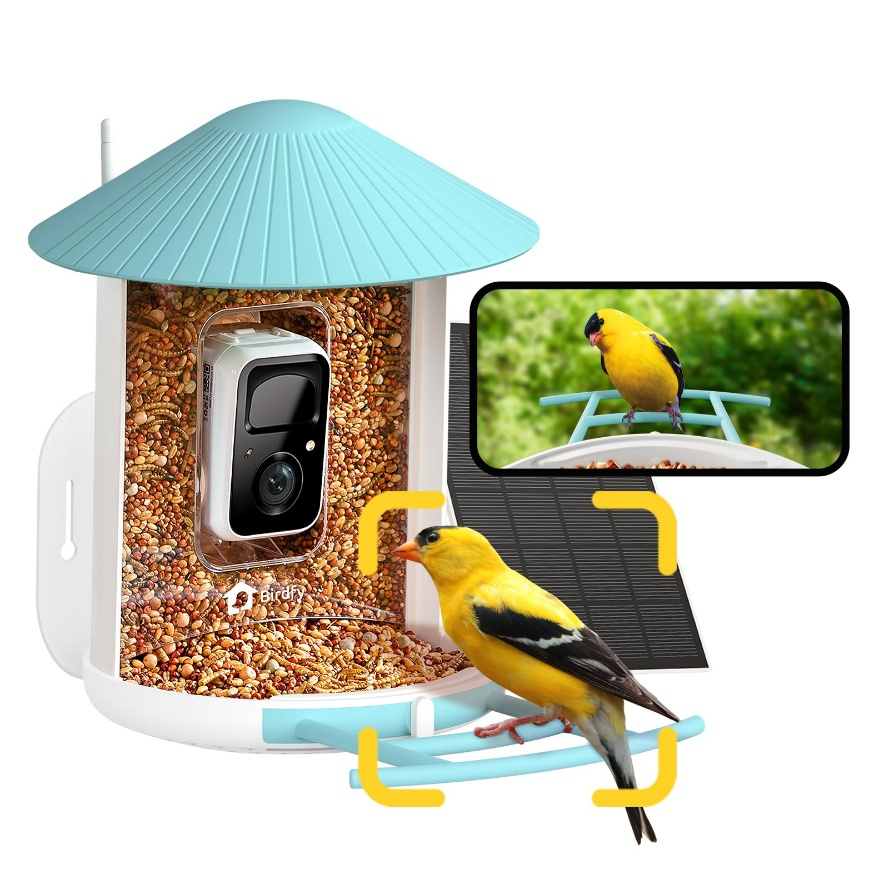
With bird visits tracked by Birdfy smart bird feeders, every visit is a chance to generate real content rather than staged marketing.
Focus on Storytelling Instead of Selling
One of the biggest social media mistakes brands make is continuously pushing products rather than providing engaging experiences. Stories are more appealing to the modern audience than ads.
Instead of saying, “Our feeder has a high-resolution camera,” a brand could post a photo of a nesting pair of birds, traveling to the same backyard daily. Viewers get emotionally engaged with this story and are intuitively drawn to the product because of the positive experience.
Storytelling ideas include:
- Following seasonal bird migrations.
- Documenting baby birds from arrival to flight.
- Sharing unusual bird behaviors.
- Highlighting rare species captured on camera.
- Creating weekly bird visitor updates.
These stories help followers know that the content will continue, and they should come back.
Promote User Generated Content
One of the most effective means of fostering trust is to enable customers to be content creators.
Everyone likes to share an interesting wildlife experience, particularly when it involves a surprise. Brands can also promote participation by inviting users to share their favorite bird photos or videos.
Some simple campaigns may contain:
- Bird of the Week contests.
- Monthly photo challenges.
- Seasonal migration highlights.
- Favorite backyard visitor stories.
- Community voting for the best wildlife clip.
User-generated content offers two important benefits. One is that it offers a continuous flow of real texts. Secondly, it establishes credibility because potential customers trust what real users say more than traditional advertisements.
Use Short Form Video to Capture Attention
Almost all social media platforms are still the realm of the short video. Birdwatching naturally yields moments that are short, interesting, and visual, which are easily suited to this form. The sudden entrance of birds, their hovering, and interaction with each other make for interesting clips that require only minimal editing.
The good short videos may have the following elements:
- Birds landing in slow motion.
- Close-up feeding moments.
- Funny bird behavior.
- Rare species appearances.
- Unexpected wildlife visitors.
Captions should remain simple and encourage interaction with questions such as:
- Which bird species is your favorite?
- Have you been in contact with this visitor before?
- What should we name this bird?
Interactive captions increase comments and improve overall reach.
Showcase Technology Through Real Experiences
People tend to relate more to the use of the product than the technical details. Rather than offering product specifications, brands should present how technology enhances everyday life.
One such example is Birdfy’s AI-powered birdwatching ecosystem, which can be integrated into videos to automatically identify bird species during a live visit to the backyard.
Brands don’t need to do technical explanations about AI; they can show how soon viewers get to know a new bird. This approach makes advanced technology feel useful and approachable rather than complicated.
Collaborate with Nature Creators
Influencer partnerships are most successful when they feel authentic. Lifestyle tech companies can team up with birders, wildlife photographers, gardeners, conservation educators, and outdoor content makers who already love the outdoors.
Rather than pre-recorded promotions, creators may provide a written record of their true encounters with birds over the course of several weeks.
True partnerships inspire the following:
- Higher engagement.
- More meaningful conversations.
- Better audience trust.
- Longer viewing times.
The partnerships also bring products to communities that are interested in outdoor activities.
The Role of Smart Technology in Content Creation
Modern connected devices make it easier than ever to capture moments that were previously difficult to record.
For example, Birdfy smart bird feeders automatically record bird activity without requiring users to wait outside with cameras. This continuous observation creates a steady stream of authentic wildlife content suitable for social media.
Likewise, Birdfy’s AI-powered birdwatching ecosystem helps users quickly identify visiting species, adding educational value that makes posts more informative and shareable.
Rather than relying on heavily edited marketing campaigns, brands can build authentic stories around genuine bird encounters, making their content feel natural and relatable.
Conclusion
Social media success for lifestyle technology brands depends less on promotional messaging and more on creating experiences people genuinely enjoy sharing. Backyard birdwatching offers a unique combination of education, entertainment, relaxation, and emotional storytelling that naturally fits today’s digital platforms.
As interest in outdoor hobbies and connected technology continues to rise, Birdfy smart bird feeders and Birdfy’s AI-powered birdwatching ecosystem demonstrate how thoughtful innovation can inspire engaging stories that resonate far beyond the backyard.