

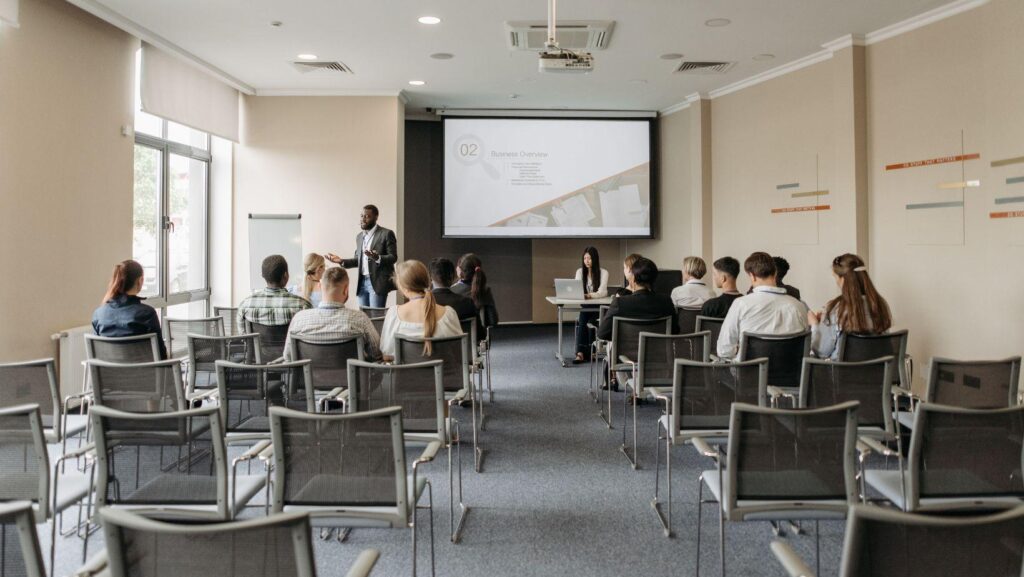
Remember the old days? You sat in a beige conference room. A projector flickered on the wall. An instructor read off bullet points. You fought to keep your eyes open. That scene is fading fast. It belongs in a museum now.
The corporate world woke up. It realized that boring training does not work. People learn differently today. They expect more. They want interaction. They want speed. They want relevance. Technology is the driving force behind this massive shift. It is reshaping everything from the ground up.
The Blueprint Gets a Makeover
Let us look at the core structure. A modern training program looks nothing like its ancestor. It is fluid. It is flexible. It changes in real-time. Old programs followed a rigid script. Week one was this. Week two was that. Everyone moved at the same snail’s pace. That made no sense.
Some people got bored. Others got lost. Tech flipped that model upside down. Now the program adapts to the person. It uses smart algorithms. It watches your progress. It adjusts the difficulty. It gives you extra help when you stumble. It speeds up when you excel. This personal touch makes all the difference.
Data Drives Every Decision
Here is a huge change. Companies now use data. Lots of it. They track every click. Every pause. Every quiz score. This information is pure gold. It tells designers what works. It tells them what flops. They see which videos keep attention. They see which modules people skip. They see which questions confuse everyone.
This feedback loop is instant. Designers tweak content on the fly. They do not wait for annual reviews. They fix problems in hours. This agility creates better outcomes. It saves time. It saves frustration. It makes the whole process smarter.
Micro-Learning Takes Center Stage
Attention spans are shrinking. That is a fact. Nobody watches a 60-minute lecture anymore. Tech companies noticed this trend. They pushed for shorter content. Enter micro-learning. This approach breaks info into tiny chunks. Three-minute videos. One-page summaries. Quick interactive exercises.
These bite-sized pieces fit into busy schedules. You can learn during a commute. You can learn between meetings. You can learn while waiting for lunch. This format boosts retention too. Your brain handles small doses better. It remembers more. It forgets less. The results speak for themselves.
Immersive Tech Brings Reality In
Virtual reality is no longer sci-fi. It is a practical tool. Companies use it for risky situations. Think about firefighters. Think about surgeons. Think about pilots. These jobs require hands-on practice. Mistakes in real life cost lives. VR offers a safe space. You can mess up without consequences. You can try again and again.
The experience feels real. Your heart races. Your palms sweat. But you are perfectly safe. This immersion creates deep learning. Your brain treats it like a real memory. That sticks with you. That changes your behavior.
Gamification Sparks Healthy Competition
Work can feel dull. Training can feel worse. Gamification injects fun into the mix. Points, badges, and leaderboards. These elements trigger your competitive side. You want to beat your coworkers. You want to climb the rankings. You want to collect all the achievements.
This playful angle keeps you engaged. You log in more often. You push harder. You retain more info. It turns a chore into a challenge. Companies see higher completion rates. They see better test scores. They see happier employees. A little fun goes a long way.
Social Learning Bridges the Gap
Learning does not happen in a vacuum. We learn from each other. Tech platforms now encourage that. They include discussion forums. They include chat features. They include peer review systems. You can ask questions. You can share tips. You can celebrate wins together.
This social layer mimics the office environment. It builds community. It fosters collaboration. Even remote teams feel connected. They learn from diverse perspectives. They see how others solve problems. This collective wisdom is powerful. It enriches the whole experience.

Mobile Access Opens Doors
The smartphone changed everything. It is always in your pocket. It is always on. Companies leverage this power. They make training mobile-friendly. You can access content anywhere. You can download lessons offline. You can listen to podcasts on the go.
This flexibility is crucial. It respects your time. It fits your lifestyle. You do not need a laptop. You do not need a desk. You just need a few spare minutes. This accessibility boosts participation. It reaches people who were previously left out. It makes learning truly universal.
The Final Takeaway on This Shift
Technology is not slowing down. It keeps evolving. Companies must keep up. The ones that embrace these changes win. They build skilled workforces. They adapt faster. They innovate more. The ones that cling to old methods lose. They fall behind. They lose talent. They lose market share.
The choice is obvious. Modern training is dynamic. It is personal. It is engaging. It uses every tool available. It puts the learner first. That is the heart of the matter. That is the future. And that future is already here.