

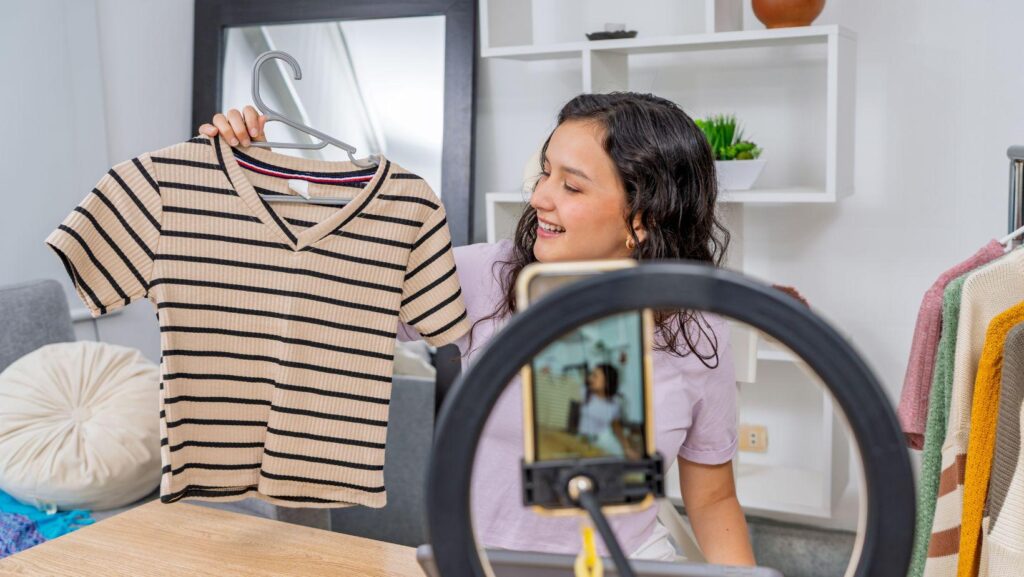
Plenty of influencer campaigns get built backwards. The brand finds creators, negotiates rates, ships product, and only then thinks about what the content should actually say. What comes back is a batch of videos where twelve people hold the same item and describe it in roughly the same words — authentic-looking, well shot, and completely unclear about what the product does or why anyone should want it. The creators did their job. They just weren’t given enough to work with.
Influencer campaigns need more than creator access
Getting a creator on board is the easy part now. Making the campaign actually work depends on things settled well before the first package ships.
Start with what you’re measuring. Awareness campaigns and sales campaigns want different content, and a vague brief usually produces neither. Then think about the buying timeline: a higher-ticket item generally needs longer-form explanation before anyone commits, while an impulse-priced product does better with a quick hook and an immediate benefit. Consider audience fit properly rather than by follower count. And check that wherever the traffic lands actually continues the story the creator told — a campaign built on one benefit that leads to a product page emphasising something else quietly loses most of the people it worked to attract.
Give creators visuals they can actually use
Creators are good at making things feel human. What they can’t easily do is manufacture footage the product itself needs — an interior mechanism, a material close-up, a side-by-side of every colourway, a clean before-and-after.
This is where a brand’s own asset library earns its keep. For product brands that need short, clear, platform-ready assets, 3D animation for social media marketing can help show product features, movement, variants, materials, and use cases in formats that work for Reels, TikTok, Stories, and paid social ads. Give creators a handful of these — a short demo clip, a feature callout, a spin, a variant sequence — and they can cut them into their own content rather than trying to film the impossible on a phone. It makes their job easier and it makes the product legible, which is the whole point.
Build the first three seconds around the product hook
Short-form is unforgiving. If a viewer doesn’t understand roughly what they’re looking at almost immediately, they’re gone, and nothing after that matters.
So decide what the first three seconds show, and make it the product doing the interesting thing. A sofa module rearranging into a different layout. A lamp shifting between warm and cool light. An outdoor chair jumping between a balcony, a patio, and a garden. A storage bench opening to reveal how much fits inside. A surface changing as the light moves across it.
None of those need a logo first. None need a slow establishing shot or a creator saying “hey guys” for four seconds. The hook that works is usually the one answering a question a real customer already has — how big is it, does it really do that, what’s inside — shown rather than described.
Match the format to the campaign goal
One content format doesn’t serve every objective, and mismatches waste budget.
For awareness, short lifestyle clips that make the product feel desirable are enough; they don’t need to explain everything. For traffic, the benefit needs to land fast and the call to action needs to be unmissable. Product education wants demos and tutorials, with room to actually show how something works. A launch usually needs a hero video plus a set of creator variations testing different angles. Retargeting does well with feature clips and content that handles specific objections — size, price, durability, whatever the comments keep raising. And for social proof, review-style videos and genuine use cases outperform anything polished.
Decide the goal, then pick the format. Doing it the other way round is how brands end up with beautiful content that doesn’t move anything.
Keep creator content authentic, but structured
Over-scripting a creator destroys the reason you hired them. Under-briefing them produces vague content and, occasionally, claims your legal team won’t enjoy. The middle ground is giving structure without dictating words.
A workable brief includes the product facts a creator would otherwise guess at, the claims that are approved and the ones that aren’t, two or three key features worth showing, visual examples of what good looks like, disclosure requirements, the exact link, usage rights and duration, and a short note on brand tone. Then let them say it however they’d naturally say it. Creators who understand the product properly sound more convincing than creators reading a script, and the ones who know what they can’t claim will keep you out of trouble.
Use the assets across the whole campaign
The efficient way to run this is to build one visual system and let it feed everything, rather than commissioning fresh content for every placement.
Visual-production partners such as cgifurniture.com show how ecommerce brands can create product images, lifestyle renders, 360° views, AR-ready assets, and social media animations from one structured visual-content workflow. In campaign terms, that means the same core assets go into the creator brief, get cut for Reels and TikTok, appear as Stories, run as paid social creative, sit on the product page, support the landing page, drop into the launch email, and handle post-purchase questions later. One production cycle, a dozen placements — and everything looks like it came from the same brand, which is half of why it works.
Avoid overproduced content
The instinct on social is usually to make things look more polished. It’s frequently the wrong instinct, because polish reads as advertising and advertising gets scrolled past.
Watch for the usual traps: long branded intros, effects busy enough to hide the product, generic lifestyle footage that could belong to any brand, creator scripts that sound written by a marketing team, animations made because they looked fun rather than because they explained something, and any claim the product can’t back up. That last one costs more than a wasted post — it surfaces later as returns and bad reviews.
Clarity beats polish almost every time in a feed.
A checklist before launching
- What’s the campaign actually measuring?
- What should a viewer understand within three seconds?
- Which single product feature has to be shown?
- Which platform and format is each asset for?
- Does the creator have enough product context to sound informed?
- Are all claims approved and documented?
- Are the visuals built for mobile and vertical?
- Can the same assets be repurposed for paid social?
- Does the landing page continue the message the creator delivered?
- Are disclosure requirements and usage rights spelled out?
Final thoughts
The campaigns that perform are the ones where creativity and product clarity are pulling in the same direction. Give creators room to sound like themselves, and give them enough visual structure that the product is unmistakable in every video. Short product animations, clean demos, and a well-built asset library make campaigns quicker to brief, easier for creators to produce, and far simpler for an audience to actually act on.