

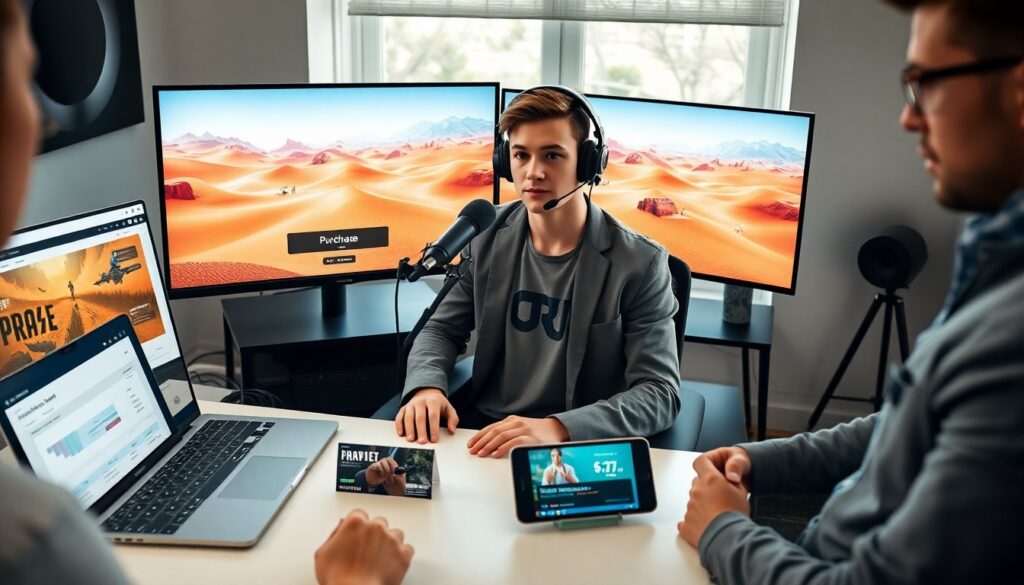
The article shows how micro influencers influence desert game sales and player interest. It explains tactics, creative formats, and measurement for eSports teams and publishers. The guide uses concrete steps and examples. The reader gains usable actions to launch campaigns that boost desert game purchases and player retention.
Key Takeaways
- Micro influencers drive desert game purchases by engaging niche communities with authentic gameplay and targeted content.
- Leveraging micro influencers allows marketers to test multiple audience segments cost-effectively, boosting early revenue and player retention.
- Desert-themed campaigns succeed when visuals, messages, and timing align with game updates and seasonal events, increasing urgency to buy.
- Tracking unique promo codes and UTM links from micro influencers enables precise measurement of sales impact and optimization of marketing spend.
- Offering exclusive desert bundles and hosting streamer tournaments increases excitement and conversion among desert game players.
- Scaling successful micro influencer programs requires automation, standardized reporting, and careful selection based on audience match and creator streaming quality.
Why Micro-Influencers Are Powerful For Niche Gaming Purchases
Micro influencers deliver high trust in small communities. They post genuine gameplay, tips, and reactions that fans value. For desert-themed titles, micro influencers highlight setting, gear, and survival plays that excite niche buyers. eSports marketers then convert interest into purchases with timely offers and clear calls to buy. Recent coverage shows competitive gaming rose into mainstream culture and fandom, which increased sponsorship value for creators: this trend supports using micro influencers for targeted game launches, as noted in a sports and pop culture review.
Micro influencers cost less than larger creators. Smaller fees let teams run multiple tests at once. They also capture different audience segments, such as speedrunners, roleplayers, or streamers who favor desert maps. When marketers pair micro influencers with demo codes, they track downloads and early purchases. This approach reduces risk and improves early revenue signals.
Micro influencers also create social proof. Fans who watch a trusted creator buy a desert item or season pass will often follow. That social proof increases conversion rates on store pages and in ads. Marketers who measure short-term sales and lifetime player value find micro influencer programs scale efficiently.
Crafting Desert-Themed Campaigns That Convert
Marketers must plan clear campaign goals. They set purchase targets, cost-per-acquisition, and retention milestones. They choose micro influencers whose audience matches the game’s buyer persona.
Marketers craft desert visuals and messages that match gameplay. They highlight unique mechanics, weather effects, and desert gear. They also place direct calls to action that show where to buy. Marketers time activations to updates, seasonal events, or esports drops to boost urgency.
Marketers link micro influencer content to promotions and analytics. They provide creators with UTM links, promo codes, and tracking tags. They request specific creative formats and deliverable dates. This setup lets teams measure sales per creator and iterate quickly.
Creative Assets, Messaging, And Activation Ideas For Desert Games
Use high-contrast desert screenshots and short clips that show weather and hazards. Share clips that show a single cool trick, a surprise enemy, or a rare loot find. These clips prompt shares and short-form views.
Offer limited-time desert bundles with exclusive skins and early access. Micro influencers should reveal bundle contents in a single short video. Marketers then attach a promo code to each influencer to measure direct purchase impact.
Run streamer-hosted mini-tournaments on desert maps. Invite micro influencers to play charity matches or ranked showcases. Streamers will post highlights on short-form platforms and drive players to purchase map packs or passes.
Create quick how-to clips for desert survival, loot routes, and optimal loadouts. Micro influencers can publish those as pinned highlights. These clips increase perceived value and reduce buyer hesitation.
Ask creators to add clear buy steps in descriptions. They should write one sentence that tells viewers where to buy and which code to use. This small change improves conversion and tracking.
Measuring ROI And Scaling Micro-Influencer Efforts For Gaming Titles
Marketers track direct purchases with unique promo codes and UTM links. They also track installs that later convert to purchases. They compare cost-per-acquisition across creators and drop low performers.
Marketers measure mid-term metrics like 7-day retention and average revenue per user. These metrics show whether early buyers stay and spend more. Marketers calculate return on ad spend by dividing gross sales from influencer links by total influencer costs.
Teams should test creative, timing, and offer types in small batches. They should scale only after a consistent lift in purchases or retention. Scaling means adding creators with similar audiences and increasing promotional windows.
Marketers must account for hardware and streaming quality when evaluating creator impact. Esports players often emphasize gear that affects play and presentation: teams should consider creator setup when choosing partners, a point highlighted in coverage about esports equipment needs on ESPN.
For long-term programs, marketers automate contract terms, delivery reminders, and payout schedules. They centralize creative assets in a shared drive and set standard reporting templates. This structure reduces overhead and speeds up scaling across multiple desert-themed drops.