


The modern gaming industry has long moved beyond the boundaries of simple entertainment, transforming into a global social space. Within this digital universe, the role of marketing has undergone fundamental changes. Where success once depended on television advertising budgets or billboards, today the main driver of growth is the human factor. Influencer campaigns have become the bridge that connects developers with audiences, turning passive consumers into active participants in complex and evolving communities.
The Transformation of Marketing: From Direct Sales to Emotional Connection
Traditional promotional methods in the gaming industry have largely exhausted their potential. Modern gamers possess a high level of digital literacy and frequently use ad-blocking tools. In such conditions, direct calls to “buy the game” are perceived as noise. Influencers, on the other hand, offer something no banner ever could — authentic experience.
When a popular streamer goes live, they do more than showcase graphics or mechanics. They create context. Viewers witness real emotions from victories, frustration from defeats, and genuine excitement from in-game discoveries. This builds trust. For many players, it is important not only to understand a product’s technical features but also how it fits into the modern cultural landscape. To stay informed about these shifts, the community often turns to egw.news, where analytical content explores how media personalities influence the popularity of esports disciplines and new releases.
Influencer campaigns allow brands to “humanize” their products. A game stops being just a set of files and becomes an adventure experienced alongside a favorite content creator. This creates a powerful social proof effect: if someone I trust spends dozens of hours in a game, then it is worth my attention. As a result, the initial impulse for community growth emerges not from advertising pressure, but from natural curiosity and the desire to share a collective experience.
Micro-Influencers and the Power of Niche Communities
While collaborations with mega-influencers provide massive reach, strategies for 2026 increasingly focus on micro-influencers. These are creators with audiences ranging from 5,000 to 50,000 followers who specialize in specific genres or even individual game mechanics. Their value lies in exceptionally high levels of loyalty and engagement.
Micro-influencers act as digital community leaders. They know many of their viewers by name, actively respond to questions in chat, and foster a welcoming environment where everyone feels heard. When such creators integrate fresh gaming news into their content, it feels like friendly advice rather than paid promotion.
It is within these smaller groups that the most dedicated members of a community are formed. They become brand advocates — defending the game on forums, helping newcomers, and creating content such as guides, mods, and fan art. Scaling growth through hundreds of micro-campaigns often proves more effective than a single large-scale launch, as it allows brands to reach niche market segments frequently overlooked by major media outlets.
Interactivity and Co-Creation of the Gaming Universe
The third section of this analysis focuses on the tools that make influencer campaigns truly effective. Today, this goes far beyond passive video consumption and into interactive engagement. Features such as Twitch Drops, integrated quests, and shared gameplay sessions transform viewers into participants.
When developers launch campaigns where viewers can influence a streamer’s in-game decisions through chat voting, it creates an unprecedented level of engagement. Viewers feel empowered, believing they have real influence over the game world. This motivates them to download the game themselves to experience those mechanics firsthand.
Additionally, influencers drive the growth of user-generated content (UGC). They launch challenges like “build the best base,” “complete the level the fastest,” or “create the best meme about the game.” This generates content far beyond the influencer’s own platforms, leading to exponential growth in game visibility. The community begins to sustain itself, creating a continuous cycle of interest around the product.
Long-Term Strategies and the Evolution of Loyalty
The final stage of any successful campaign is transforming short-term interest into sustainable growth. By 2026, leading game studios have moved away from “hit-and-run” tactics. Instead, long-term ambassadorship has become the priority.
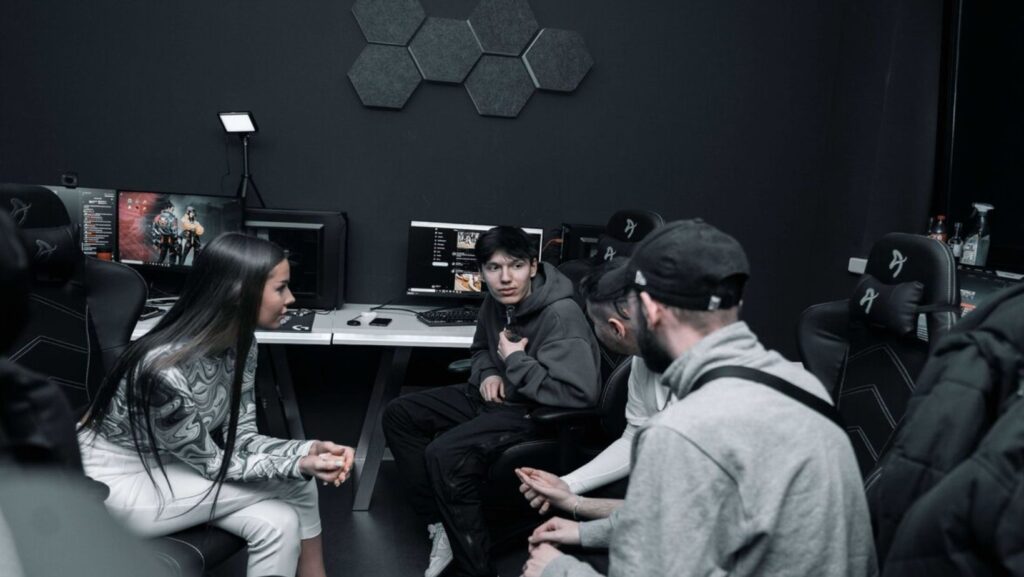
An influencer who consistently plays the same game for a year becomes its living symbol. This significantly improves retention rates. When the community sees that a creator remains invested even after a promotional contract ends, it sends a strong signal about the game’s quality and depth.
Such campaigns also play a crucial role in crisis management. If a game faces technical issues or a poorly received update, loyal influencers act as mediators. They explain developers’ decisions in accessible language, calm the audience, and gather constructive feedback. This makes the community more resilient to external challenges and fosters a healthier internal environment.
Conclusion
In conclusion, influencer campaigns are not merely a component of the marketing mix — they are a central element of growth strategies for online games. Through emotional connection, engagement with niche micro-communities, high interactivity, and a focus on long-term loyalty, influencers help build not just player bases, but true digital nations.
In a world where competition for attention continues to intensify, the human voice and genuine passion for a game remain the most powerful tools available. The future of online gaming communities belongs to brands that know how to listen to influencers and collaborate with them as true partners, creating value for every participant in this dynamic and evolving ecosystem.