

1. Introduction
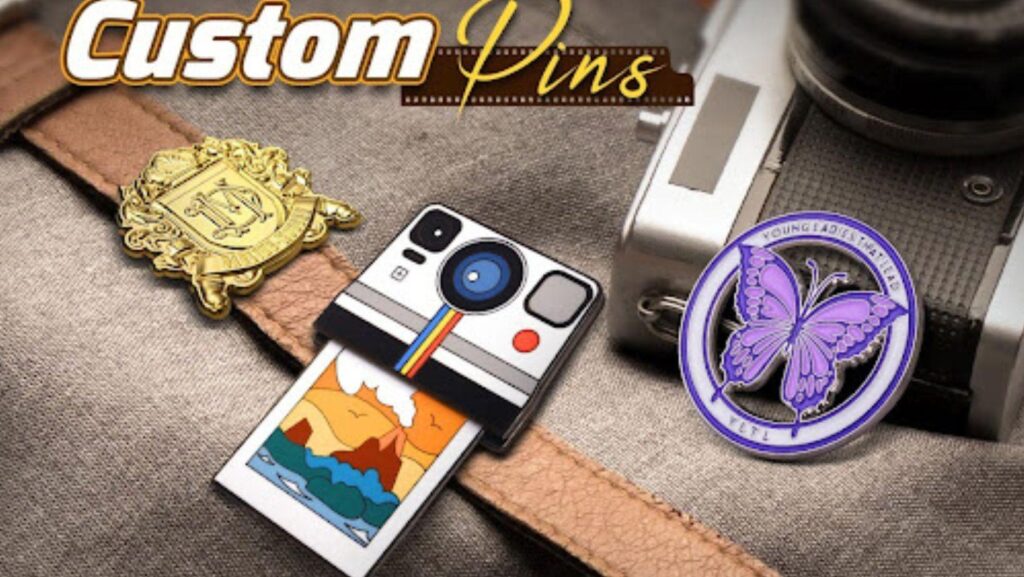
Distributing digital content is a common promotional method used by marketers. However, in today’s highly competitive market, marketers are turning to physical promotional items in order to strengthen the connection with customers. And custom pins are widely favored by makers due to their low production costs, ease of preservation, and the ability to convert digital art into physical goods.
Although integrating custom pins into marketing campaigns may seem simple, successfully turning these designs into reality requires bridging the gap between digital design and actual production.
2. What Aspects Should be Considered When Converting Vector Designs into Pins?
Converting vector designs into custom enamel pins is not an easy task. Even if the pattern looks perfect on the computer, problems may occur during production. Therefore, before starting production, the creator should carefully consider the following factors:
- Line thickness: Use sufficient line thickness to ensure fine details remain visible after production.
- Font size: Convert text to outlines and avoid ultra-fine typography that might blur during production.
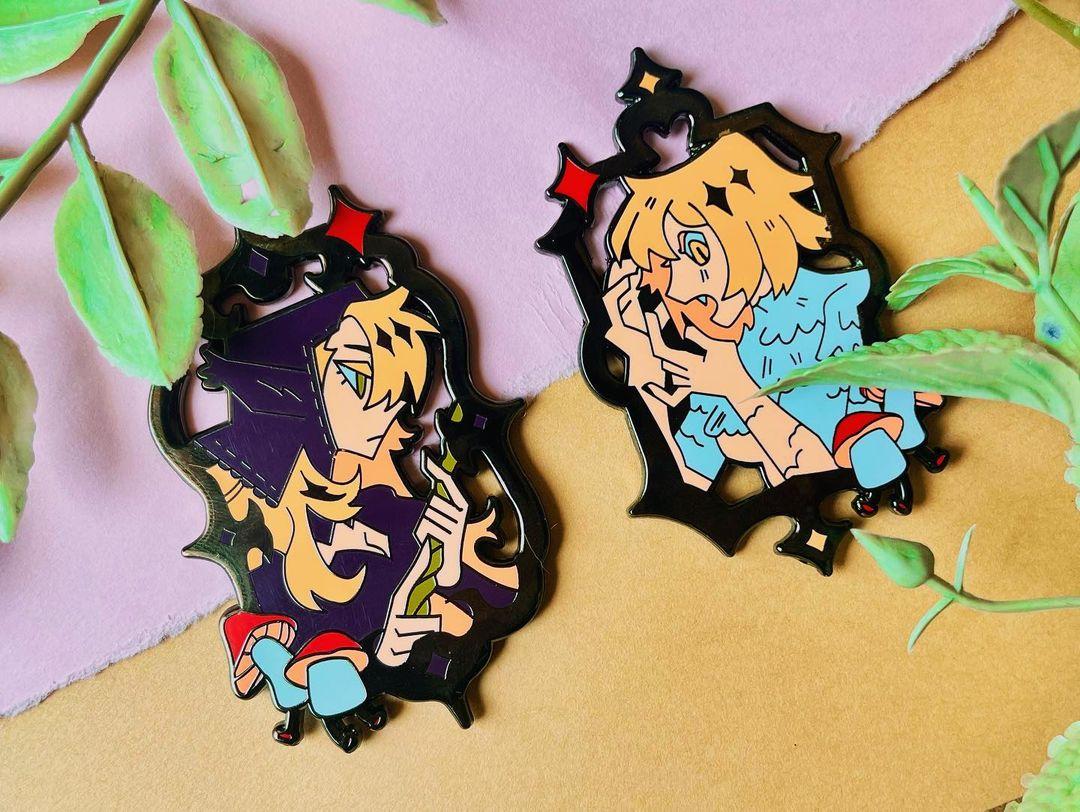
- Color block distinction: Ensure that each color block is separated by enamel to prevent the colors from blending together.
- Pin dimensions: Upsize the overall pin scale when working with complex or multi-layered artwork.
3. Which Materials Are Suitable For Custom Pins with Detailed Designs?
Choosing the appropriate production process can simultaneously meet the quality, cost and appearance requirements of the pins. Different pin styles vary in terms of detail accuracy, cost, and visual appeal.
Which custom lapel pins are best for tiny text or small details, and how do production methods compare?
Hard enamel pins: The superior choice for meticulous design
Hard enamel pins are usually regarded as the preferred choice for makers who aim for a refined appearance. The surface of the enamel is flush with the metal frame and has been polished, appearing smooth and shiny, creating a polished appearance similar to fine jewelry.
This production method is particularly suitable for designing small logos, geometric patterns, and patterns with many details. It is especially suitable for creating limited edition or high-value artistic pins. However, due to the additional polishing and fine processing techniques, the cost of hard enamel pins is higher than that of other types of pins.
Soft enamel pins: Affordable accessories
Soft enamel pins are also one of the most commonly used choices by makers, as they have brighter colors and lower prices. Unlike hard enamel pins, the enamel layer of soft enamel pins is located beneath the metal lines, creating a recessed effect. This recessed effect can create a 3D sense of depth for the patterns.
Soft enamel pins are very suitable for use in some colorful illustrations and character design drawings. Their design appeal and cost‑effective pricing are well‑matched. However, due to the surface texture, some very small text and details may appear less clear. For makers who are new to using physical pins, soft enamel pins are usually a good choice.
Printed pins: Suitable for complex patterns and ultra-fine details
For designs featuring portraits and exquisite illustrations, it is best to choose printed pins. Because printed pins print images directly on the surface, the maker can retain the design details to the greatest extent.
When choosing the production method, the maker not only needs to consider the style of the pins, but also should take into account the feasibility of the entire design. And GS-JJ will collaborate with the creator to help them select the appropriate production method.
4. Which Types of Pins Have Better Color Retention Properties?
For makers, whether a pin has good color retention is very important. Because a durable pin not only provides greater value to buyers but also enhances the brand image. Which custom lapel pins provide the best long-term color retention and what are the price differences?
Hard enamel pins have excellent color retention because their smooth surface forms a protective layer on the enamel. Hard enamel pins have extremely strong scratch resistance and stable color presentation. Although their cost is higher, they can offer a greater premium value. For makers who produce anniversary pins and other high-priced items, hard enamel pins are a good choice.
Soft enamel and printed pins are not only affordable but also extremely exquisite. If they are made with high-quality materials and meticulous production techniques, they can also maintain their bright colors for a long time. Their relatively low cost makes them particularly suitable for makers who need to produce a large quantity of affordable fan-related products.
5. Turning Custom Pins into a Profitable Creator Merchandise Strategy
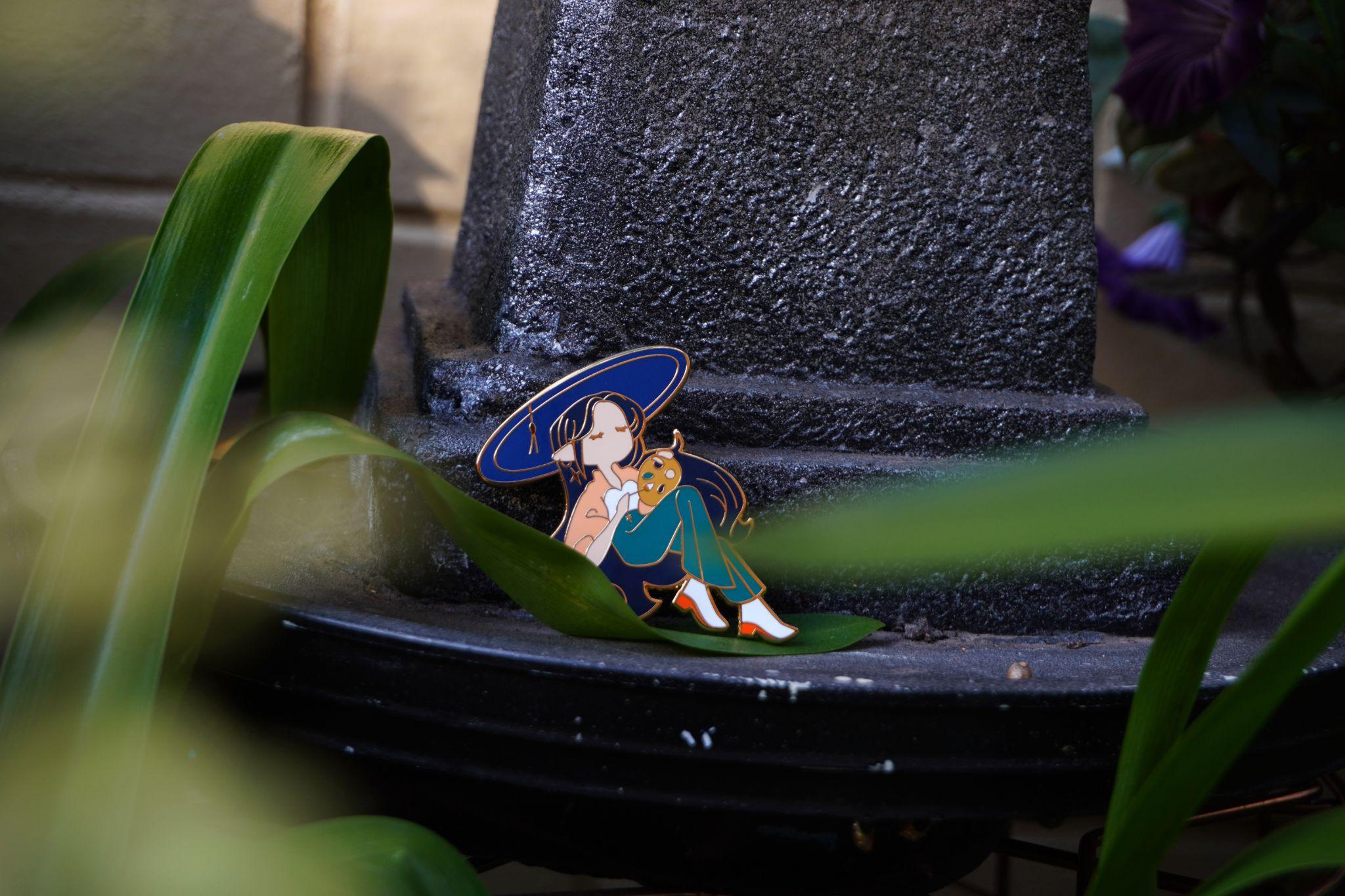
For makers, when custom pins are no longer merely promotional items but can transform the design into collectibles and serve as a means to generate income, choosing a professional manufacturer becomes particularly important.
By collaborating with experienced manufacturers such as GS-JJ, makers can receive professional technical guidance throughout the design process. With flexible customization options and advanced technology, GS-JJ helps makers turn their ideas into reality.
6. Conclusion
Converting a vector design into high-quality custom pins requires careful consideration of design complexity, cost, and long-term value.
GS-JJ offers Professional-Grade Quality at Factory-Direct Value, with professional support from manufacturers such as GS-JJ; makers can confidently transform designs into high-quality pins. These pins not only enhance brand image but also serve as effective marketing tools to help enterprises increase brand awareness, promote customer interaction, and generate more revenue through methods such as product sales and promotional activities.