

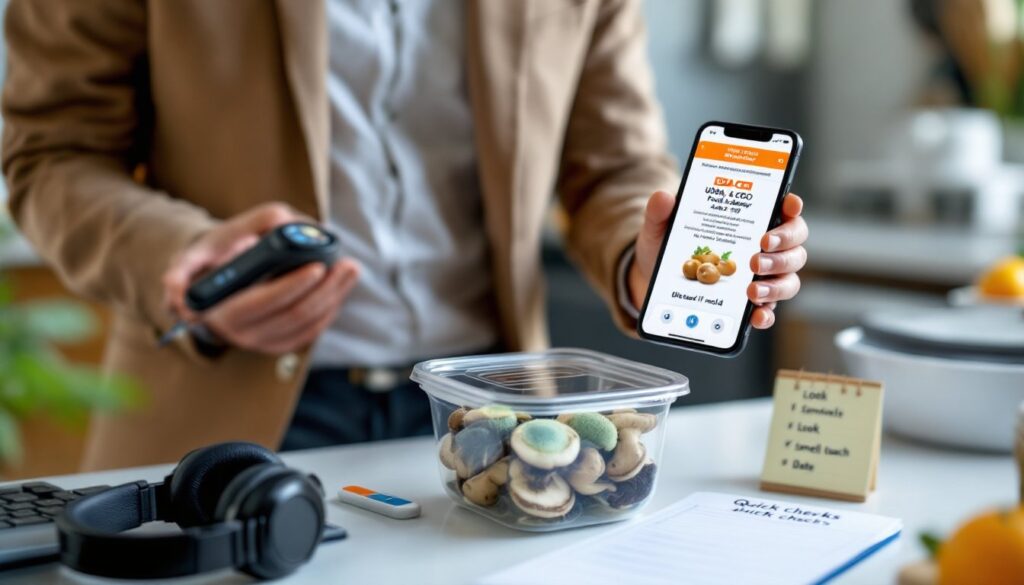
Gamers often survive long sessions on whatever’s quick and nearby, leftover pizza, energy drinks, and sometimes that sad pack of mushrooms in the back of the fridge. Eating old mushrooms isn’t just gross: it can make someone seriously ill. This guide gives concise, combat-ready facts (no panic, just what matters): why mushrooms spoil, how to tell if they’re unsafe, what symptoms to watch for, and clear first-aid steps. Recommendations reflect current food-safety guidance as of 2026 from agencies like the CDC and USDA, and are aimed at players who want to keep their health (and queue times) intact.
Key Takeaways
- Eating old mushrooms can cause serious illness due to harmful bacteria, mold, or toxins that develop as they spoil.
- Always inspect mushrooms before eating: discard if you see mold, sliminess, dark spots, or if they have a sour or musty smell.
- Store fresh mushrooms properly in the refrigerator and adhere to recommended use-by dates—3–7 days for fresh and 3–4 days for cooked.
- If you consume old mushrooms and develop symptoms like nausea, vomiting, or diarrhea within hours, hydrate and seek medical advice promptly.
- Never consume wild mushrooms unless 100% identified by an expert, as toxic wild varieties present severe health risks regardless of freshness.
- Quick, cautious checks before eating mushrooms help prevent interruption of your daily activities and serious health complications.
Why Old Mushrooms Can Be Dangerous: Toxins, Bacteria, And Mold
Mushrooms are mostly water and nutrients, a perfect medium for microbes once they age or are handled poorly. There are three main hazards to understand:
-
Bacterial growth: Refrigerated but old mushrooms can harbor Staphylococcus aureus, Salmonella, and Listeria monocytogenes if cross-contamination occurred or the cold chain broke. These bacteria cause foodborne illness with vomiting, diarrhea, fever, and sometimes more severe complications. Cooked mushrooms left at room temperature for hours give bacteria a big advantage: USDA guidance still flags the “2-hour rule” for perishable foods.
-
Mold and mycotoxins: Visible mold on mushrooms is a red flag. Some molds produce mycotoxins (toxic compounds) that aren’t destroyed by cooking. While cultivated button, cremini, and shiitake generally don’t make amatoxins, spoilage molds like Penicillium or Aspergillus species can produce harmful metabolites. Never scrape mold off and eat the rest, many mycotoxins penetrate tissues.
-
Wild mushroom poisoning vs. spoilage: Important distinction, toxic wild mushrooms (amatoxins, gyromitrin, muscarine) are poisonous regardless of freshness. Eating a poisonous species causes specific toxin-driven syndromes (e.g., delayed-onset liver failure with amatoxin). Spoilage-related illness is microbial and often presents faster, but both can be life-threatening.
Practical risk factors for gamers: long stretches at room temperature (e.g., mushrooms left on a desk next to a gaming rig), reheating without reaching safe temperatures (165°F / 74°C), or eating older packaged mushrooms past their use-by date. In 2026, food-safety bodies emphasize proper storage and prompt disposal over speculative “safe after smell-check” techniques.
How To Tell If A Mushroom Is Spoiled — Practical Signs And Quick Checks
Gamers don’t have time for lab tests. Use these quick, reliable checks before munching during a raid or ranked match:
-
Visual inspection:
-
Mold: Any fuzzy patches, unusual colors (green, blue, black) = toss. Don’t salvage the rest.
-
Sliminess: If the cap or stem is slick or slimy, it’s past its prime. Sliminess indicates bacterial degradation and increased risk.
-
Dark spots and shriveling: While slight browning can be cosmetic, extensive darkening, wrinkles, or obvious soft spots mean decomposition.
-
Smell test:
-
Fresh mushrooms have a mild, earthy scent. A sour, sharp, or musty odor indicates spoilage. Smell is a good quick filter, but not definitive for dangerous toxins.
-
Touch and firmness:
-
Fresh cultivated mushrooms (button, cremini) should be firm. Mushrooms that collapse under gentle pressure are degraded.
-
Date and storage check:
-
Unopened packaged mushrooms: Follow the “best by” or “use by” date: if refrigerated continuously, many last 7–10 days but check packaging specifics.
-
Fresh loose mushrooms: Typically 3–7 days in the fridge (store in paper, not sealed plastic, condensation accelerates spoilage).
-
Cooked mushrooms: Safe in the fridge for 3–4 days. Reheat to 165°F / 74°C.
-
Wild-foraged mushrooms:
-
If there’s any doubt about species identification, don’t eat them. Misidentification risk is severe. As of 2026, many poison control centers offer photo-based triage but still recommend never consuming a mushroom unless 100% identified by an expert.
Quick checklist before eating: look, smell, touch, check dates. If two or more checks fail, bin it. For gamers, the rule is simple: if it might interrupt your session with a trip to urgent care, it’s not worth it.
If You Ate Old Mushrooms: Symptoms, First Aid, And When To See A Doctor
If someone ate old mushrooms, the response depends on timing, symptoms, and whether the mushrooms were wild or store-bought.
Typical timelines and symptoms:
- Spoilage (bacterial/mold): Symptoms often start quickly, within 1–6 hours, and include nausea, vomiting, abdominal cramps, diarrhea, and sometimes fever. Duration is usually 24–72 hours for uncomplicated bacterial food poisoning.
- Toxic wild mushrooms (amatoxins, gyromitrin, etc.): Symptoms can be delayed, 6–24 hours or longer, with a deceptive lull followed by severe abdominal pain, persistent vomiting, diarrhea, dehydration, jaundice, and liver/kidney failure. These cases require immediate medical care.
Immediate first aid steps (do these first):
- Stop eating immediately and save any remaining mushroom (and packaging) for identification if possible.
- Hydration: Replace fluids and electrolytes. Use oral rehydration solutions if available.
- Rest and monitor: Track onset time and symptoms. Note any blood in stool, persistent high fever, or decreasing urine output.
- Don’t induce vomiting unless instructed by poison control or a clinician.
When to seek urgent care or call poison control (U.S. reference):
- Severe vomiting or diarrhea causing dehydration.
- Persistent high fever (>102°F / 39°C).
- Neurological symptoms: confusion, seizures, difficulty breathing.
- Signs appearing after a delay (6+ hours) following wild mushroom ingestion, treat as potentially severe.
Poison control (U.S.) is reachable at 1-800-222-1222 and offers immediate guidance. Outside the U.S., contact local emergency services or national poison centers. In 2026, many regions still recommend early medical evaluation for suspected wild mushroom toxin exposure because treatments (e.g., activated charcoal, IV fluids, N-acetylcysteine in some protocols) are time-sensitive.
Practical gamer note: if symptoms threaten your ability to play (severe dizziness, blurred vision, or fainting), stop gaming and seek help. Quick action reduces the risk of complications and gets you back to the game sooner.
Conclusion
Old mushrooms are a small but real health risk, mostly from bacterial growth and spoilage molds for store-bought varieties, and from inherent toxins in misidentified wild mushrooms. Gamers should follow simple habits: store fresh mushrooms correctly, adhere to fridge timelines (3–7 days for fresh, 3–4 days for cooked), and perform quick look/smell/touch checks before eating. If illness follows ingestion, hydrate, save samples for ID, and contact poison control or a doctor, especially with delayed or severe symptoms. A little caution keeps the squad alive and the respawns minimal.