


In this instant-gratification age, when we’re accustomed to quickly searching for the answer or reading reviews before making a commitment, many of your potential clients will check you out on the interwebs before they ever make contact.
For a photography studio… home renovations company… a small-but-mighty marketing firm. You need more than a homemade Geocities website to inspire potential clients to think well of your business. You need an online portfolio.
And yet, many business owners dismiss the benefits of being online, of showcasing their work. They assume that word of mouth will be sufficient to get them clients. They think they either need to invest in an expensive website or hire a professional designer. Here’s the reality: With an AI website builder, creating a polished online portfolio is more affordable and easier than ever — and the value of the visibility and trust it yields is limitless.
The Way Customers Choose Has Changed
The truth is, no one “just wants your website anymore.” They want to gauge your professionalism and understand if you’re the right provider for their needs. Even if someone tells a friend to buy from you, they’re likely to “quickly look up” your website first.
Let’s say you’re a prospect looking for a graphic designer. You have two separate personal referrals. One friend sends you to a gorgeous, easily navigable web portfolio displaying a host of client work, testimonials, and a contact button. The other friend texts you a few pics and doesn’t provide a link. Which provider’s referral would you give more credence to?
That’s exactly how customers think today. They expect transparency, proof of expertise, and an easy way to connect. Without a portfolio, even the most talented business risks appear unprofessional or outdated.
What an Effective Online Portfolio Should Include
Your online portfolio doesn’t have to be impressive. The best ones never are; instead, they are straightforward, anecdotal, and true. Here’s what should go in a small business portfolio:
- Examples of Your Work
Photos of your finished work, writing samples, before & after plans, and images. Images tell the story faster than words in a paragraph. A well-arranged gallery of your finest work helps your website visitors know what your expertise is and what quality they can expect to see from you.
- Client Testimonials
Letting your happy clients speak always helps! A succinct, matter-of-fact collection of testimonials should emphasize not just the result, but the experience of working with you is also important. Honesty, reliability, transparency, follow-through, and diligence can help tremendously.
- Clear Service Descriptions
Be specific about what you do and who you do it for. Instead of “We offer digital solutions,” say “We build and execute social media marketing plans for lifestyle brands. Show your visitors exactly who you are so they can see if you’re what they’re looking for.
- Easy Contact Options
Don’t make your future customers look for your email or phone number. Include a basic contact form or an easy-to-find “Get in touch” call-to-action. When it comes to service-based companies, even a scheduling link for some free advice will do.
Professional Doesn’t Have to Mean Complicated
The good news is that you don’t need to be a web designer or a technical wizard to be able to create an effective online presence. With an AI website builder, you can use templates that will make your portfolio look sleek and clean — you don’t even have to know how to code. You can pick a template that fits with your industry and brand, and you can get a site up within hours instead of weeks.
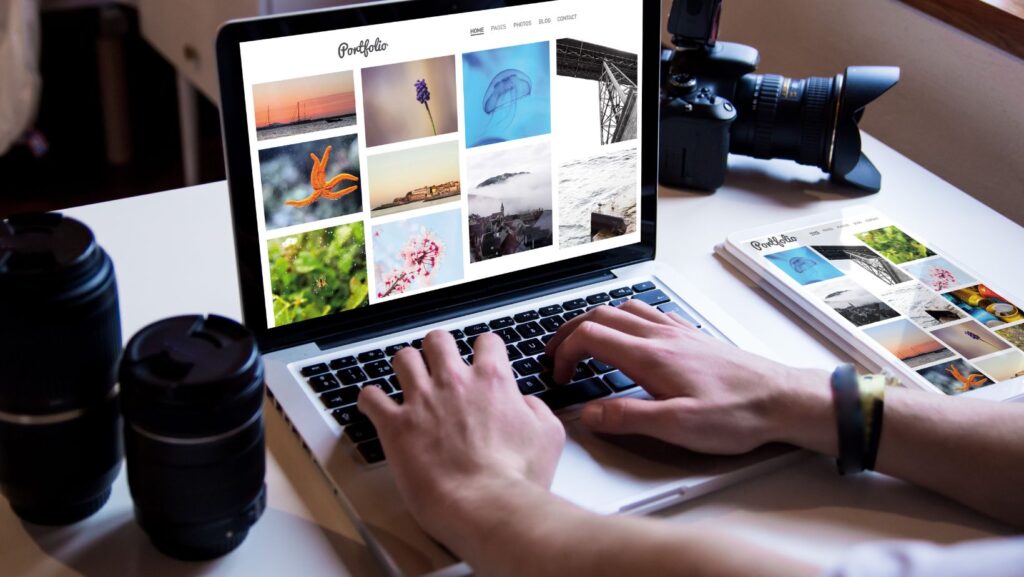
This is especially useful for busy entrepreneurs who want to spend time running their business, not managing their website. With automated design suggestions and drag-and-drop simplicity, even a one-person business can present itself as polished and trustworthy online.
Real-World Wins from Having a Portfolio
For example, an interior designer who was using nothing but Instagram to share her work. She launched a portfolio site with galleries of her different styles, plus some glowing client quotes. Leads started coming in, but what was really interesting was the new conversations. Prospects often said that they “knew they were going to like her style,” and conversations were more about working together than proving her worth.
There was a small construction company that used to hand out flyers. With a simple “before-and-after-galleries / services & descriptions / happy customers” portfolio site, they started getting calls from the next town over. Google was referring clients to them. They had gone from the town’s best-kept secret to a regional brand.
Your First Step Doesn’t Have to Be Perfect
If you’re hesitating because you think your portfolio isn’t good enough — here’s the secret: It doesn’t have to be perfect. It just has to be there. You can start tiny. Have a few great examples of your work and a short bio. Add a contact form. And then build on it as you go.
You’re not trying to win everyone over in one go. You’re giving potential customers a chance to get to know, like, trust, and contact you when they’re ready.
Take that first, tiny step. Set up your portfolio today, even if it’s one page. Because in this day and age? Being seen is how you get chosen.