

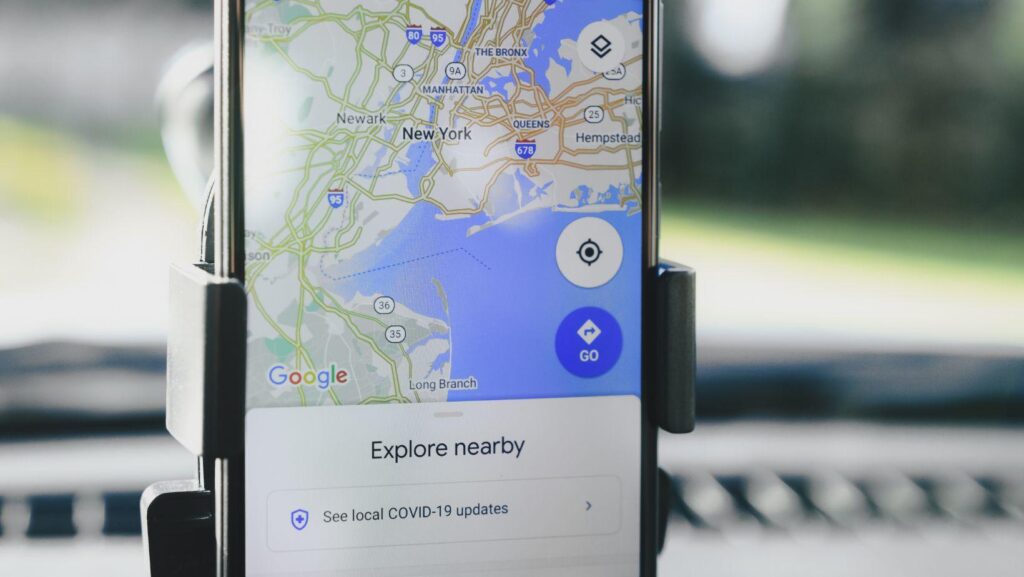
Opening an online gaming site while travelling can produce an unexpected result: a service that worked normally at home may suddenly restrict access or stop accepting wagers. This usually reflects geolocation and geoblocking rules rather than a technical problem with your account.
These systems help operators determine where a player is physically located and whether gaming activity is permitted there. Requirements vary between countries and, in some markets, between individual states or regions.
What Geolocation Actually Checks
Geolocation estimates or verifies the physical position of the device you are using. There is no single universal method, and several signals may be considered together. Common sources include:
- IP address data, which can indicate the general region of an internet connection.
- GPS coordinates, which can provide precise positioning when location services are available.
- Nearby Wi-Fi networks, which can help estimate device location.
- Mobile-network information, including cellular signals.
- Browser geolocation, which allows a website to request location information with permission.
Accuracy varies depending on the device, environment and technology. GPS may provide highly precise coordinates, while an IP address often gives only a broader estimate. Regulated systems may compare several signals instead of relying on a single source. Major inconsistencies can trigger another location check or prevent wagering until the device is confirmed inside an authorized area. Some jurisdictions also require repeated checks while a gaming session continues.
Why Geoblocking Exists
Geolocation identifies where a device appears to be. Geoblocking determines whether that location is permitted to access a particular service or function. Restrictions may reflect licensing rules, local gambling laws or the geographic scope of an operator’s business. Holding a licence in one jurisdiction does not automatically authorize an operator to serve every other market.
This becomes particularly visible in the United States, where regulated online gaming may be available in one state while neighboring states apply different rules. When accessing xon bet casino from different regions, availability may therefore vary according to local laws, licensing conditions, and market-specific restrictions. The main reasons for restrictions include:
- Tax requirements, which differ between jurisdictions.
- Consumer safeguards, including local responsible-gaming requirements.
- Age and identity rules, which can vary between regulated markets.
- Market restrictions, where access to unlicensed or foreign services is limited.
A blocked service therefore does not necessarily mean that the website is malfunctioning. The restriction may result from regulatory, licensing or commercial conditions.
Geolocation and Identity Checks Are Not the Same
Identity verification and geolocation are closely connected to regulated gaming, but they serve different purposes. Operators may request a passport, identity card, proof of address or other documents during registration or KYC checks. These documents can help confirm who a customer is, their age or where they normally reside.
They do not prove where the person is physically located when placing a wager. A utility bill showing an address in one country does not confirm that the account holder is currently there. Where physical presence matters, real-time geolocation remains a separate control. Different technologies therefore provide different kinds of location information:
|
Method |
Typical role |
Main limitation |
|
IP address |
Estimates the connection’s general region. |
Can be imprecise or affected by proxies and VPNs. |
|
GPS |
Provides device coordinates where available. |
Requires suitable hardware and location access. |
|
Wi-Fi positioning |
Uses nearby networks to estimate position. |
Depends on available network data. |
|
Cellular positioning |
Adds information from mobile networks. |
Precision varies by coverage and environment. |
|
Browser geolocation |
Requests device location through the browser. |
Requires permission and depends on available sources. |
No individual method works perfectly in every situation. Combining several signals can give an operator greater confidence that a player is actually inside the permitted area.
What Happens When You Travel
Travel is where geoblocking becomes most noticeable. An account that works normally at home may offer fewer functions or stop accepting wagers after you enter another jurisdiction.
Trying to disguise your location is not a reliable solution. VPNs, proxies or other masking tools may conflict with an operator’s terms, while location systems can compare several signals and identify inconsistencies. The consequences depend on the operator’s rules and applicable law.
Before playing abroad, check whether the service is available in your destination and whether the same products remain accessible there. Regional versions may differ in game libraries, promotions, payment methods or other features.
The important point is that access depends on more than a valid username and password. Physical location can be an additional condition for using certain gaming functions.
Understanding an Access Restriction
Geolocation and geoblocking are mainly compliance tools. They help operators apply regional rules to players whose physical location matters under local regulation or licensing conditions.
For players, the practical approach is straightforward: check the rules of the place where you are actually located, expect availability to change when travelling and avoid assuming that an account must work identically everywhere. Understanding that distinction makes an “access unavailable” message easier to interpret and reduces the risk of treating a regulatory restriction as a technical fault.