

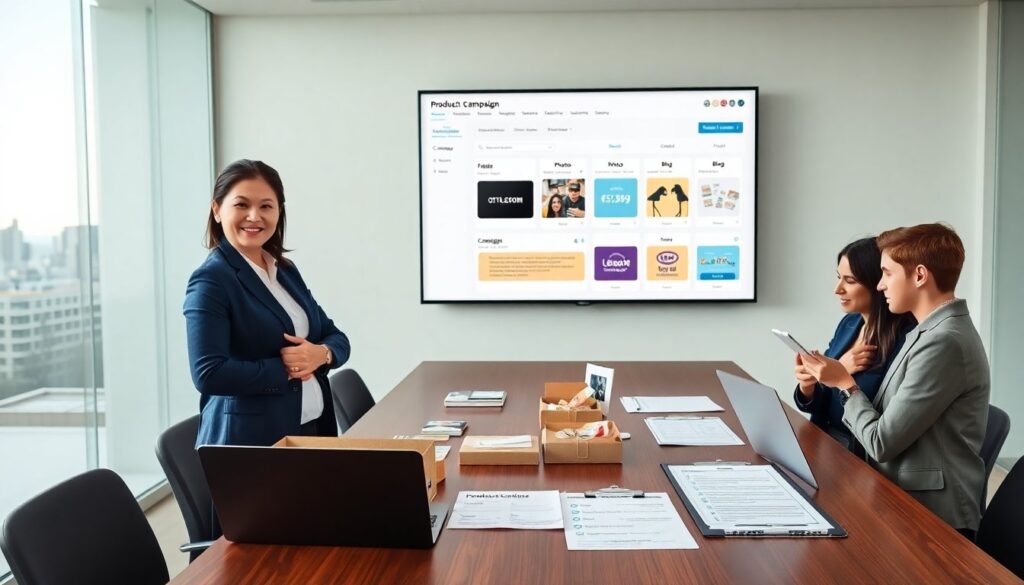
Tomoson affiliate helps small brands get product reviews from influencers. The platform connects sellers and creators. It lists campaigns, influencer profiles, and review terms. The seller posts an offer and the influencer claims it. This guide explains who should use Tomoson business, how it works, and how to run a campaign that drives sales.
Key Takeaways
- Tomoson business connects small brands with influencers to gain authentic product reviews and boost social proof efficiently.
- Brands create tailored campaigns by setting review requirements, compensation terms, and screening influencers for a precise match.
- The platform supports diverse content formats like photos, videos, and blogs, allowing brands to track campaign progress through a comprehensive dashboard.
- Writing a clear, concise product brief with specific goals and guidelines ensures influencers deliver aligned, high-quality reviews.
- Measuring success involves tracking referral sales, promo code usage, and engagement metrics to evaluate campaign impact and ROI.
- Tomoson business offers flexible pricing options suitable for limited budgets, making it ideal for small businesses seeking measurable influencer marketing results.
What Is Tomoson And Who Should Use It
Tomoson business is an influencer marketplace for product reviews and promotions. The platform lets brands post products, set review requirements, and offer samples or payments. Small businesses with physical products benefit most. Brands that sell consumer goods, beauty items, gadgets, or niche accessories will see quicker impact. Marketers with limited ad budgets can use Tomoson business to get social proof fast. Sellers that cannot meet strict return or compliance needs should check influencer followings and past reviews before posting. The platform fits teams that want measurable review placements without long-term agency contracts.
Key Features And How Tomoson Works
Tomoson business lists influencer profiles with audience size and engagement. The platform shows past campaigns, sample deliverables, and accepted content formats. Brands create a campaign page with product details, shipping terms, and compensation. Influencers apply or accept invites and then submit content for approval. The site offers filtering by niche, platform, and follower count. Tomoson business supports photo, video, and blog reviews. The dashboard tracks campaign status and delivered posts. Payment or product terms vary by campaign. Brands can reject posts that fail to meet brief criteria and request revisions before final approval.
Step-By-Step: Creating An Effective Tomoson Campaign
The brand defines the goal, audience, and offer. The brand writes product specs, required hashtags, and deliverable dates. The brand sets sample shipping rules and payment terms. The campaign lists required review points and success metrics. Tomoson business lets the brand add screening questions for influencers. The brand approves applicants and sends products. The influencer publishes content and reports back. The brand verifies links, tags, and honesty in the review. The brand rates the influencer after campaign close to help future selection.
Writing A Winning Product Brief
The brief states the target customer, key benefits, and required claims. The brief lists exact wording for any legal or health claims. The brief includes sample images, suggested angles, and a list of forbidden statements. The brief sets deadlines and the number of required posts. The brief asks for metrics such as reach, saves, and comments. The brief clarifies sample return policy and compensation timing. The brand keeps the brief short and atomic so influencers can execute quickly and without confusion.
Measuring Success, Pricing, And Alternatives
The brand sets metrics before launch. The brand tracks referral sales, promo code redemptions, and direct traffic from influencer links. The brand measures engagement, saves, and audience comments for sentiment. Tomoson business charges per campaign or transaction depending on plan and promo complexity. Typical costs include sample product value, shipping, and influencer fees. Micro-influencers often charge less but deliver focused conversions. If the brand needs live event or stadium activation, studies on stadium strategies show how in-person exposure can boost commercial returns. Brands that need influencer discovery at scale may also evaluate alternative marketplaces and native platform tools.