

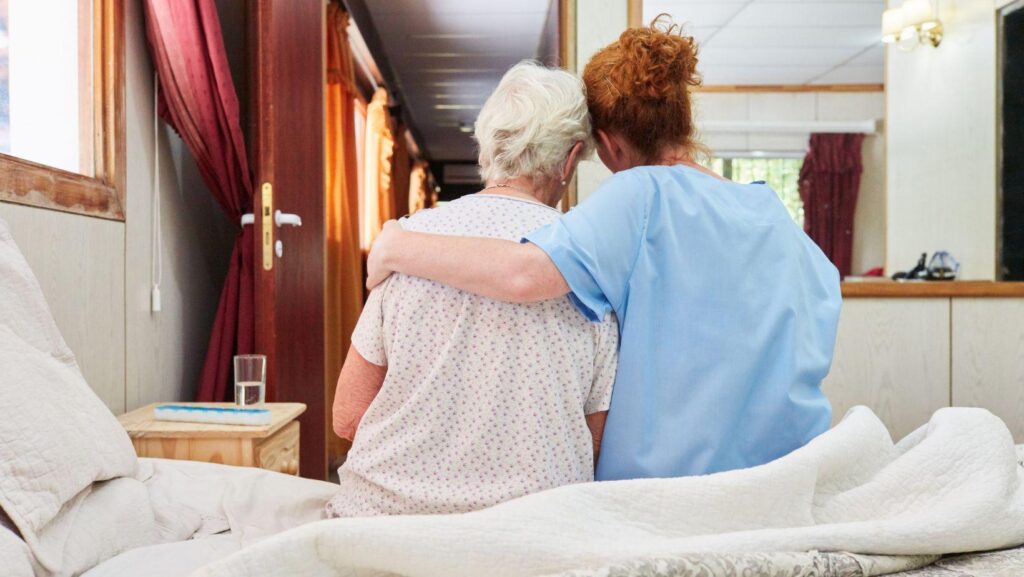
When you place your loved one in a nursing home, you do so with the faith that they will receive the best possible care. You consider the nursing home to be their safe haven, where they can live and receive the attention they need. But it is heartbreaking when that same place becomes the cause of your beloved family member’s death. In some cases, abuse, neglect, or other forms of negligence by the nursing home staff or facility may contribute to a preventable fatality. Thankfully, California’s legal system recognizes the rights of surviving family members and allows them to pursue compensation and justice for the pain, suffering, and losses resulting from a wrongful death. However, you need the support of experienced wrongful death lawyers in these matters.
Expert attorneys can investigate the circumstances surrounding your loved one’s death, gather evidence, and help establish liability. Here are some important insights into this.
What can lead to wrongful death in a nursing home?
Falls, medication errors, and malnutrition and dehydration are some of the most common risks that can lead to wrongful death among nursing home residents.
- Fall risks
Data suggest that nearly 15% to 30% of older adults who suffer a hip fracture from a fall die within one year. Falls in nursing homes are often linked to the lack of proper fall prevention measures. These may include the unavailability of assistive devices, the failure to provide non-slip footwear, poor supervision, or unsafe walking conditions. In fact, failing to respond promptly to a resident’s call for help with using the bathroom or walking assistance can also contribute to preventable falls.
- Medication errors
Giving the wrong medications or dosages accounts for a large number of wrongful deaths in nursing homes. In fact, failing to monitor potential drug interactions in cases where older adults have multiple comorbidities and a lower chance of recovery can also be considered negligence. For example, an insulin or warfarin overdose can lead to severe complications, including life-threatening conditions, if not properly managed. It can cost them their lives.
- Malnutrition and dehydration
It is the responsibility of the nursing home to provide proper nutrition and hydration to each resident. Staff should monitor their food and fluid intake, consider their individual needs and difficulties, and provide assistance if they are unable to eat or drink adequately on their own. Failure to provide proper nutrition and hydration can lead to serious health complications. If your loved one dies in a nursing home because of the lack of these basic provisions, the facility may be held liable in a wrongful death claim.
Nevertheless, you need an experienced wrongful death lawyer to investigate the circumstances and determine whether neglect contributed to your loved one’s death. Your lawyer can present solid evidence showing that the facility failed to provide the required standard of care. This may include repeated documentation by nursing staff of your loved one’s deteriorating condition that was ignored by management, as well as staffing shortages or other signs of neglect. In fact, missing entries related to care tasks can also be an alarming sign that proper care was not provided. If you consult a qualified lawyer, you do not have to worry about anything. For any advice, you can visit HHJtrialattorneys.com.