

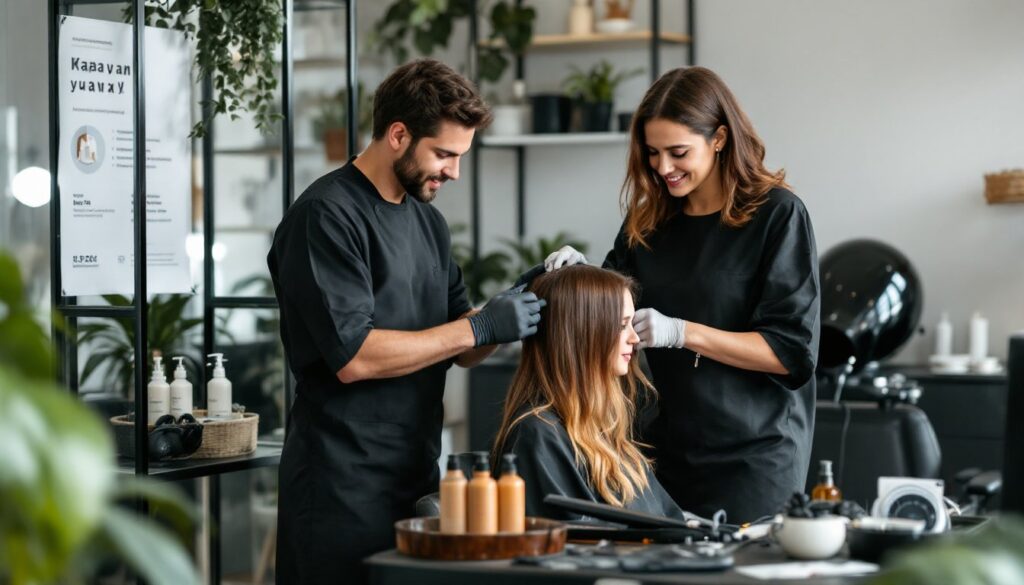
Long gaming sessions, sweaty LAN nights, and choking on headset hairlines, these are real issues for players who also care about looks and scalp comfort. In 2026, salon treatments have evolved past buzzwords into targeted services that fix specific problems: frizz from humid streams, breakage from frequent dyeing, and scalp irritation from long headset wear. This guide explains which in-salon therapies actually deliver results, what to expect during an appointment, and who should pick each treatment. It’s concise, specific, and no-nonsense, the same way a pro would recommend a loadout before a ranked match.
Key Takeaways
- Professional salon treatments outperform DIY fixes by combining expert assessment, salon-grade formulations, and controlled application, crucial for lasting hair health.
- Keratin smoothing and Brazilian treatments effectively reduce frizz and add shine, with keratin preserving volume and Brazilian treatments providing a sleeker finish, ideal for color-treated or frizz-prone hair.
- Bond-building treatments like Olaplex repair internal hair damage by reconnecting disulfide bonds, improving strength and color service safety, essential for bleached or heavily treated hair.
- Targeted scalp therapies including exfoliation, hydrating masks, and serums address issues like dryness and irritation, enhancing scalp health and hair manageability for those affected by headset use or frequent styling.
- Combining keratin smoothing, bond-building, and scalp treatments maximizes hair restoration and protection for gamers and individuals facing friction and sweat-related damage during prolonged headset use.
- For best results, follow salon aftercare such as using sulfate-free shampoos, limiting heat styling, and scheduling regular treatments to maintain hair strength and appearance.
Why Professional Salon Treatments Beat DIY Fixes
Salon treatments combine technician skill, professional-grade formulations, and controlled application, that’s why they outperform DIY kits for serious hair problems. Over-the-counter masks and at-home keratin kits can help temporarily, but they lack these three critical elements:
- Technician assessment: Professionals measure porosity, elasticity, existing chemical history (perms, bleach, previous keratin) and pick a protocol. That avoids the classic DIY mistake of reapplying strong actives over damaged cuticles and causing more breakage.
- High-concentration actives: Salons use salon-only concentrations of bonding agents, acids, and smoothing polymers not available to consumers. Examples include higher-percent cysteamine analogs in bond builders and stabilized formaldehyde alternatives in smoothing systems.
- Controlled processing: Heat tools calibrated for salon protocols, timed neutralization, and post-treatment trims ensure longevity and reduce TTK (time-to-keep) of the effect.
For gamers who sit under headsets for hours, scalp sweat and repeated friction accelerate cuticle wear and split ends. A salon can tailor treatments to reduce frizz and strengthen bonds, preserving a haircut and making headsets more comfortable.
When to skip the salon: active scalp infections, open wounds, or allergy to key ingredients. Otherwise, if hair has notable breakage, extreme frizz, or has been chemically treated multiple times, a professional treatment is the most reliable path to restoration.
Keratin Smoothing And Brazilian Treatments: What They Do
Keratin-based smoothing treatments (often called keratin treatments) and Brazilian blowouts both aim to reduce frizz, add shine, and temporarily alter hair texture. They differ in chemistry, longevity, and how they affect body and volume.
Key differences and expectations:
- Chemistry: Keratin treatments deposit proteins and polymers into the cuticle and temporarily crosslink them: Brazilian blowouts typically use a formulation based on a cysteine derivative or similar smoothing polymer that bonds to the fiber surface.
- Longevity: Expect 8–16 weeks depending on hair porosity, shampoo frequency, and heat exposure. Heavier sweating (e.g., VR sessions, intense training) shortens lifespan.
- Effect on volume: Keratin treatments smooth while mostly preserving density: Brazilian variants can flatten roots more and produce a sleeker, silkier finish.
- Processing: Most modern salons use formaldehyde-free systems (check labels for methylene glycol or glyoxylic acid alternatives). Formaldehyde-based systems are rare now due to regulations in many regions.
Ideal candidates:
- Those with frizz from humidity and frequent washing.
- Color-treated hair that needs smoothing but not permanent straightening.
Not ideal:
- Extremely fine hair that loses all volume with smoothing.
- Active scalp issues or allergy to treatment ingredients.
What results to expect at the salon visit:
- Immediate smoothness after blow-dry and flat iron sealing.
- Noticeable reduction in styling time: hair often dries straighter and with less manipulation.
- A recommended post-care routine: sulfate-free shampoo, limited hot-tool heat to extend life.
Tip for gamers: mention to the stylist that headset pressure and back-to-back sweaty sessions are common, they’ll advise a slightly lighter application at the crown to maintain padding and avoid flatness where the headset sits.
Bond-Building Treatments (Olaplex And Alternatives)
Bond-building systems rebuild damaged disulfide bonds inside the hair shaft rather than just masking damage. Olaplex made the category popular, but several salon-grade alternatives exist (e.g., Bond Perfection, Redken pH-Bonder, L’Oreal Smartbond). These treatments are now standard in color correction and restorative services.
What bond-builders actually do:
- Reconnect broken disulfide bonds created by bleaching, heat, or mechanical stress.
- Improve elasticity (measured as percent stretch before breakage) and reduce single-hair breakage rates.
- Make color services safer: studies show up to a 60–80% reduction in breakage when bond-builders are used during bleaching steps.
When to choose a bond-builder at the salon:
- Bleached or heavily lightened hair that’s brittle or snaps when brushed.
- Frequent color changes or corrective color sessions.
- Post-chemical repair for someone who game-streams and needs hair that withstands daily styling.
Application types in salons:
- In-bond: Added directly to bleach or color (keeps chemistry in the service).
- Standalone salon protocol: A multi-step in-salon treatment (shampoo, bond-repair solution, leave-in treatment, mask) usually completed over 30–60 minutes.
Cost & expectations:
- Expect an add-on fee ($20–$80 depending on region and brand) for in-service bonding: full standalone restorative sessions run higher.
- Results: better tensile strength, smoother cuticle appearance, and improved handling, many clients report hair feeling more resilient within 24–48 hours.
For the gamer with repeated heat styling or headset friction, bond-builders reduce split ends and help hair survive frequent manipulation without looking like a frayed cable.
Scalp Health And Deep Hydration Therapies: Masks, Serums, And Peels
Healthy hair starts at the scalp. Salons now offer targeted scalp protocols and hydration therapies that address dandruff, seborrheic tendencies, and dehydration from aggressive styling.
Common salon scalp and hydration services:
- Scalp exfoliation/peels: gentle chemical or enzymatic peels (salicylic acid-based or papain blends) to remove buildup and unclog follicles. These are done every 4–8 weeks depending on oiliness.
- Hydrating masks: deep-conditioning masks with hyaluronic acid derivatives, botanical oils, or ceramides to restore moisture balance. Leave-in times vary from 10–30 minutes under heat for penetration.
- Dermal serums: lightweight peptide or niacinamide serums applied to the scalp to improve barrier function and reduce inflammation.
When to book these therapies:
- Itchy, flaky scalp after long headset or helmet use.
- Dry, straw-like strands from constant shampooing or exposure to dry indoor HVAC during marathon sessions.
- Post-chemical dryness after bleaching or perms.
What to expect in one visit:
- Assessment of scalp type and quick in-salon tests (visual inspection plus gentle stress tests for elasticity).
- A combined protocol: exfoliation → targeted serum → mask → low-heat infra-red or hooded dryer to assist absorption.
- Immediate relief from itching, softer hair fiber, and improved manageability for 4–6 weeks when paired with home maintenance.
Home-care tips to extend salon benefits:
- Use a sulfate-free shampoo and a weekly low-pH rinse.
- Avoid sleeping with damp hair under a headset: allow the scalp to breathe to reduce microbial overgrowth.
Statistics: clinical salon studies often show a 35–60% reduction in itching and flaking after a single medical-grade scalp peel plus serum application, though individual results vary.
Who Should Get Keratin And What Results To Expect
Keratin smoothing is best for people who want frizz control with flexible styling, they still want movement, not a pin-straight look. Ideal profiles:
- Color-treated clients who want a sleeker finish but aren’t after permanent straightening.
- Thick, curly, or frizz-prone hair exposed to humidity (e.g., streamers doing outdoor shoots).
- Anyone who wants to reduce daily styling time by 30–60%.
Expected results and realistic limitations:
- Smoothness and reduced frizz for roughly 2–4 months depending on product and aftercare.
- Some reduction in curl definition: not all curls disappear, loose waves may relax more than tight coils.
- No repair of internal bonds: keratin fills and coats rather than rebuilding fiber bonds, so severely damaged hair may still break if overstressed.
Aftercare recommended by stylists:
- Use a sulfate-free shampoo and avoid clarifying shampoos for the first two weeks.
- Limit washing to 2–3 times per week when possible to extend the effect.
- Use heat protectant before blow-drying or flat-ironing to prevent cuticle damage.
For gamers: choosing a keratin session before a big event or a convention reduces frizz under stage lights and camera-ready shine without removing all style options.
How Bond-Builders Work And What To Expect At The Salon
Bond-builders target chemistry inside hair fibers. They include thiol-reactive molecules (e.g., bis-aminopropyl diglycol dimaleate in Olaplex) that reconnect broken sulfur-sulfur links, restoring macrostructure.
Salon workflow for a bond-building session:
- Consultation and strand tests to measure porosity and elasticity.
- If used during color: bond-builder is mixed into the bleach/color formula to reduce immediate damage.
- Standalone protocol: salon applies an initial bond-repair solution, follows with a rinse and neutralizing agent, then finishes with a conditioning mask containing reinforcing polymers.
What clients notice:
- Less fiber snap and fewer micro-splits when combing wet hair.
- Improved shine and smoother cuticle, the hair often feels stronger after the first full dry.
- Incremental improvement: repeated, spaced treatments (every 4–8 weeks) accumulate benefits.
Limitations and realistic outcomes:
- Bond-builders don’t regrow hair or affect follicles, they repair existing fibers.
- Severely over-processed hair with massive missing mass may still need trims and protein replenishment alongside bonding.
Pricing note: adding a bond-builder to a color service usually costs less than a standalone restorative treatment, but a salon-grade multi-step repair will give the deepest, longest-lasting results.
Conclusion
Salon treatments in 2026 offer targeted, evidence-backed fixes: smoothing systems for frizz, bond-builders for structural repair, and scalp therapies for long-term health. Gamers who grind long sessions or wear headsets daily benefit most from combining solutions, a bond-builder for damaged fiber, periodic keratin to control frizz, and scalp peels to prevent irritation. Book consultations, ask for strand tests and exact product names (brand and active), and follow salon aftercare closely: that’s the quickest route from ragged to ready for camera, cosplay, or everyday play.