

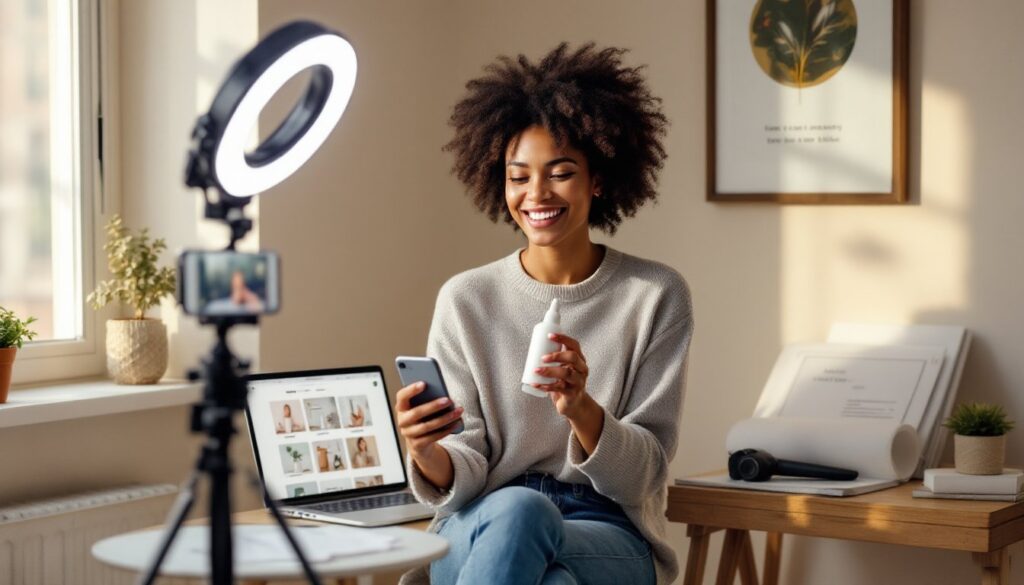
This guide is for founders, marketers, and ecommerce operators who need reliable, conversion-focused UGC quickly. It shows how to start making paid user-generated content with a simple home setup, build a conversion-driven portfolio, pitch brands, and price work so campaigns produce results not just views. The steps are tactical and execution-first so someone with a smartphone can go from zero to their first paid gig within days.
Key Takeaways
- To become a UGC creator, start by producing 3 to 5 sample videos showcasing different hooks like demos and testimonials using just a smartphone and simple lighting.
- Focus on creating short-form, authentic content that performs well on platforms like TikTok and Instagram, emphasizing quick unboxings, before-and-after clips, and product use.
- Build a conversion-driven UGC portfolio hosted on easy-to-access platforms like Google Drive or Notion, and pitch brands with clear, concise offers including trial assets and pricing tiers.
- Use a straightforward editing process with recommended mobile apps like CapCut or InShot to keep turnaround under an hour per clip and produce both raw and final edited versions.
- Set realistic starting prices between $100 and $250 per finished video, include contract essentials specifying scope and usage, and offer discounted packages for recurring work.
- Leverage creator marketplaces, targeted outreach via Instagram DMs or email, and curated gig listings to quickly find paid opportunities and build experience as a UGC creator.
What A UGC Creator Does And Where The Demand Is
UGC creators produce short-form video and photo assets that look like real customers using a product. The formats that convert best are quick demos, unboxings, micro-testimonials, before-and-after clips, and product-in-use b-roll. Brands buy UGC because it feels native inside feeds and drives lower CPMs and better ad performance than branded creative. Demand is highest from DTC and ecommerce brands on TikTok and Instagram, plus Amazon sellers who need storefront media and review-style clips.
Work types include one-off ad assets, recurring creative subscriptions, and platform-specific clips for TikTok, Instagram Reels, and Amazon Live. To start, creators often make 3 to 5 sample pieces that show different hooks and a clear call to action. Many beginners find starter gigs on creator marketplaces: this helps get case studies and paid feedback quickly. For a fast route into the space, creators can also apply directly to brands or join marketplaces that list paid tasks and briefings. Practical resources can help candidates who want to become a ugc creator by showing the exact first steps and marketplace options.
Skills, Tools, And Simple Setup For Home-Based Creators
Becoming a reliable UGC creator is mostly about consistent execution. The high-level skill set is: on-camera clarity, short-form narrative (hook, problem, demo, CTA), trend reading, and fast editing. None of this requires professional gear.
Equipment checklist
- Smartphone with 1080p or 4K capability. Most modern phones are fine. 2. Ring light or LED panel ($20 to $50) and a cheap tripod. 3. Lavalier mic ($15 to $30) for clean speech. 4. Neutral background or tidy room with natural window light. 5. Simple reflector (white poster board) for fill light.
A short primer on opportunities and how to start is available for those who want a structured approach and marketplace options to how to be a ugc creator.
Mobile Filming, Lighting, And Sound Tips
Follow these practical rules every shoot. Shoot vertical 9:16 for TikTok and Reels. Start with a hook within the first 3 seconds that promises a benefit. Use natural window light as the primary source: face the window so the light hits the face evenly and avoid direct overheads that cast shadows.
Set audio priority. Use a lav mic or sit close to the phone so the voice is front and center. Test a 5 to 10 second recording and play it back in headphones. If there is room echo, add soft surfaces like blankets to dampen it. Keep clips short and clear. Capture a mix of wide, medium, and close shots to give editors options. Record a short 5 to 10 second product B-roll that shows scale and texture.
For creators who want a step-by-step starter checklist and sample briefs, resources explain how to become a ugc content creator.
Quick Editing Workflow And Recommended Apps
A fast editing loop keeps turnaround under an hour per clip. Workflow: import to the editor, trim to the hook, add captions, place music under 60 percent volume, and export two files: one raw and one final edit. That gives brands flexibility for A B testing or ad use.
Recommended apps: CapCut for templates and batch text, InShot for quick crops, and the native phone editor for fast trims. Average edit time for a 30 to 60 second UGC piece is 5 to 15 minutes once templates are in place. Save an editable project file and name exports with the brand, date, and take number.
If building a public portfolio, creators should learn how to structure and host samples on a single page to show different hooks and formats in one place. A guide for assembling an effective ugc creator portfolio shows which clips to include and how to format them.
How To Create A High-Converting UGC Portfolio And Pitch Clients
Create 3 to 5 tight samples that demonstrate a variety of hooks: a problem-solution demo, an unboxing, and a testimonial-style clip. Keep each video 30 to 60 seconds and label them with the format and suggested use, for example: “product demo, feed ad”. Host assets on Google Drive or a lightweight Notion page so links are simple and load fast.
Pitch structure in three lines
- One sentence intro: who they are and what they do. 2. One sentence value prop: the formats they create and the typical outcome. 3. One CTA: offer a discounted trial or a free sample asset in exchange for feedback.
Use targeted outreach: DM on Instagram for smaller brands, email for ecommerce teams, and creator marketplaces for fast paid gigs. When applying to marketplaces and programs, creators should reference their public samples and availability. For those looking for application pathways and paid tasks, instructions that explain how to apply to be a ugc creator and streamline submissions are practical next steps.
Also consider listing multiple formats and prices on a rate sheet and attach one sample per price tier so the brand can quickly see relevant work.
Pricing, Contracts, And Payment Best Practices
Beginner pricing should be realistic and easy to buy. Typical starting packages are $100 to $250 per finished video that includes one raw file and one edited export. For recurring work, offer a discounted retainer or package of 5 clips for a bundled price. As creators prove results with ad metrics, they should raise rates to $300 plus per video.
Contract essentials in one page
- Scope of work: formats, number of revisions, deliverables.
- Usage: where the brand can run the content (social, paid ads, Amazon) and duration.
- Payment terms: 50 percent upfront for new clients, net 7 after final approval for established clients.
- Cancellation and reshoot clauses.
Use a simple Google Doc template for fast turnaround. For payment, accept PayPal, Stripe, or bank transfer. For very early-stage exchanges, creators may accept product-only deals but limit those to a percentage of outreach and mark product trades in the contract. If creators want more visibility into opportunities, they can review curated listings and programs that show active gigs and pay ranges on a page about ugc creator opportunities.
Conclusion
The fastest path is actionable: film three sample clips using natural light, edit two versions (raw and final), host them on a simple portfolio, and pitch brands with a short trial offer. Track outreach, learn from quick feedback, and price sensibly so the creator can scale from product swaps to consistent paid work. For creators who want to refine application materials, resources on the right submission format and portfolio expectations can guide next steps.