

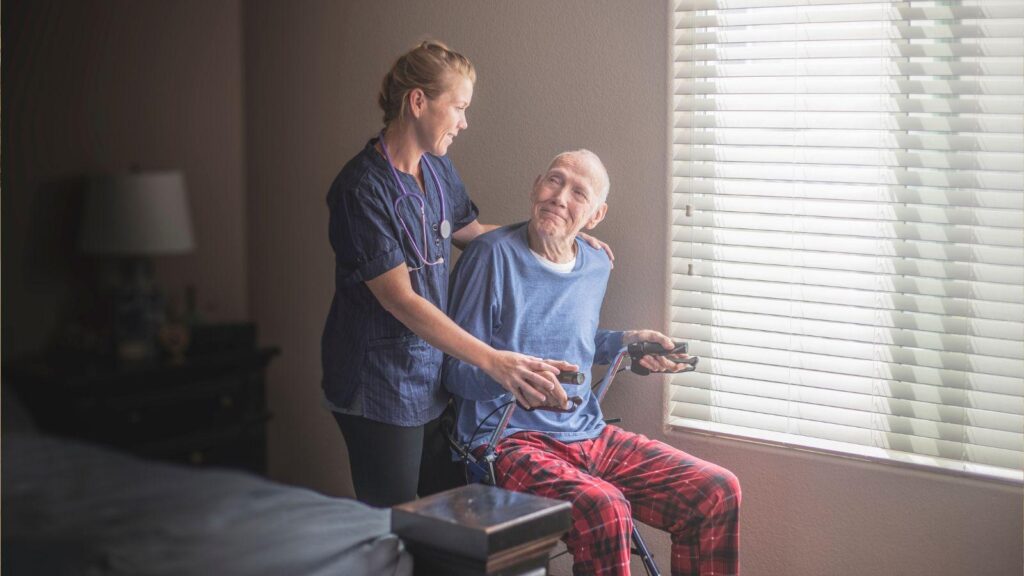
Aging at home can protect comfort, identity, and daily rhythm for many older adults. Safe support makes that choice more realistic, because changing health needs often affect meals, mobility, hygiene, and social contact. Families also value practical help that lowers risk without removing control. With the right assistance, seniors can keep familiar habits, stay active in known surroundings, and receive steady attention each day that supports health, confidence, and dignity.
Daily routines
Families often see that steady routines lower stress, reduce missed meals, and help older adults move through each day with less risk. With in-home care supporting bathing, dressing, light housekeeping, and mobility, small problems are noticed early. That daily presence can prevent slips, confusion, and exhaustion before those issues grow into urgent setbacks.
Personal care
Private tasks can become harder after arthritis, vision loss, or weakness. Gentle help with bathing, grooming, and dressing supports hygiene while protecting dignity. Respectful assistance during toileting or skin care may also reduce infection risk and prevent discomfort that seniors may hide from loved ones.
Medication support
Consistent medication use affects blood pressure, pain control, sleep, and recovery after illness. Missed doses may lead to dizziness, confusion, or worsening symptoms that raise hospital risk. Caregivers also remind seniors about schedules, watch for side effects, and report concerns to relatives or clinicians, helping treatment plans stay on track.
Meals and fluids
Good nutrition supports muscle strength, immune function, wound healing, and energy. Fresh meals prepared at home can match cultural habits, chewing needs, or medical advice. Regular fluids matter as much, since dehydration may trigger weakness, headaches, low blood pressure, or sudden confusion in later life.
Movement matters
Light movement supports circulation, joint comfort, digestion, and sleep quality. Simple walks inside the house or stretching near a chair can maintain stamina. Guided exercise also builds confidence after illness, which makes daily tasks feel less tiring and lowers fear around movement.
Fall prevention
Falls remain a major cause of injury for seniors, especially after illness or periods of inactivity. Clear walkways, secure rugs, and safer bathroom routines reduce hazards during basic tasks. Better lighting helps depth perception, while standby assistance during transfers lowers strain on joints and tired muscles.
Changes noticed
Early changes in mood, appetite, sleep, or balance often appear during ordinary moments. A caregiver who visits regularly can spot those shifts before they become crises. Those notes help families seek medical advice sooner, which may limit complications and support faster recovery after treatment.
Medical visits
Doctor visits can feel tiring when hearing, memory, or transportation issues create extra stress. Scheduled escorts help seniors arrive on time and return home safely. Written observations from home visits can also give clinicians clearer details about appetite, pain, sleep, and functional changes.
Social connection
Loneliness can affect memory, motivation, and heart health, especially after a spouse dies or driving stops. Shared conversation brings structure to the day and eases anxiety during quiet hours. Meaningful activity, such as walks, cards, music, or simple errands, keeps attention engaged and mood steadier.
Relief for families
Family caregivers often balance jobs, children, appointments, and household duties at the same time. Short visits or longer shifts create breathing room for rest, planning, and personal health needs. Clear updates also reduce guesswork, because relatives know how meals, movement, and mood looked that day.
Flexible schedules
Needs can change after surgery, a fall, or the loss of a spouse. Some older adults need a few hours each week, while others benefit from daily help. Regular reviews make it easier for families to adjust support as strengths, memories, or routines shift over time.
Home safety
Household chores can become unsafe when bending, carrying laundry, or climbing stairs causes pain. Light housekeeping keeps kitchens, bathrooms, and floors cleaner, which lowers infection and trip risks. Organized spaces also make medications, glasses, and mobility aids easier to find during busy mornings.
Why home matters
Home often carries memories, personal routines, pets, favorite chairs, and neighbors who know a senior well. Familiar rooms can reduce stress, which may help with sleep and cooperation with care tasks. Even modest support can preserve independence by keeping older adults involved in choices about meals, clothing, schedules, and visitors.
Conclusion
As support needs rise, many families want safety without giving up the comfort of home. For many seniors, regular help with routine tasks, meals, movement, and companionship can reduce risk while protecting choice. Care at home also gives relatives clearer insight into daily changes, which supports earlier action and steadier health. That mix of observation, respect, and practical assistance helps older adults remain healthy, secure, and independent for longer periods.