

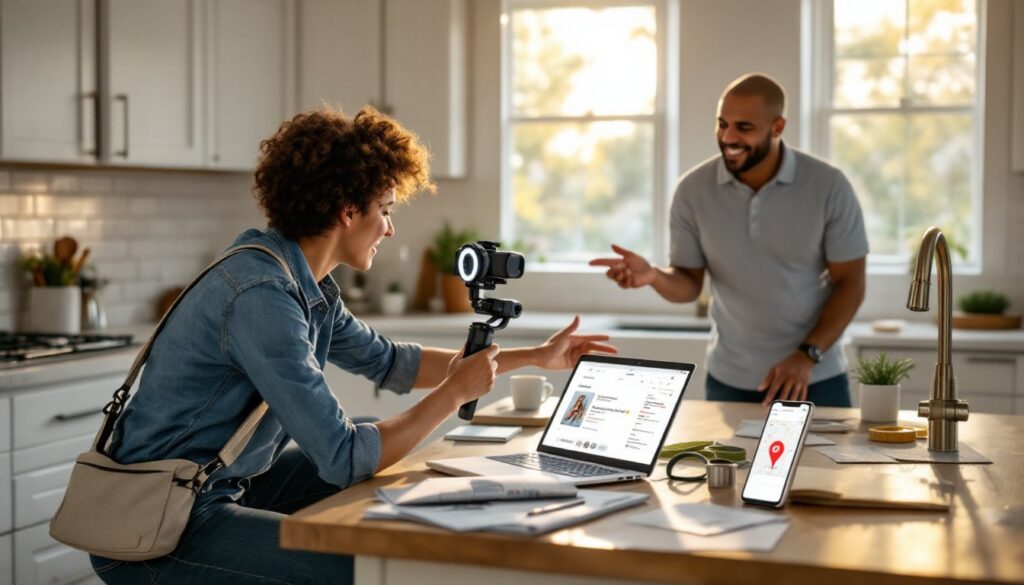
This guide is for homeowners, renters, and DIYers who want to recruit local creators to drive leads, foot traffic, or project inquiries. It is hands on. It shows the fastest way to find nearby influencers, how to vet them for conversion potential, and exactly what to say when reaching out. The goal is one usable partnership within 2 to 4 weeks using mostly free or low-cost methods. Recommendations favor micro-influencers who convert better for local home projects than broad-reach creators.
Key Takeaways
- Finding local influencers involves targeted searches on platforms like Instagram, TikTok, Facebook, and Nextdoor using city-specific hashtags and location filters.
- Micro-influencers with 10k to 100k followers often yield better engagement and conversion rates for home projects than larger creators.
- Effective vetting includes checking audience location, engagement rates, content relevance, and previous conversion signals before outreach.
- Outreach should be concise and focused on deliverables linked to measurable goals such as store visits or estimate requests.
- Starting with a small, low-cost test campaign helps build productive partnerships with local influencers before scaling efforts.
- Using local influencers accelerates lead generation by reaching nearby audiences more likely to engage in home improvement projects.
Why Local Influencers Matter For Home Projects
Local influencers matter because they reach neighborhood audiences that are actually likely to hire a contractor, visit a showroom, or buy materials. A creator who posts geotagged remodels or yard transformations will attract people within driving distance. For home projects, traffic and conversions usually matter more than impressions. Micro-influencers with 10k to 100k followers often show higher engagement and better audience relevance than large macro creators. Typical benchmarks: 2 to 5 percent engagement for micro-influencers and 0.5 to 1.5 percent for macro creators.
Local creators also provide tactical advantages. They can film on-site demonstrations, tag nearby suppliers, and attend in-person events. That means content that directly drives store visits and consultation bookings. Working with creators who already post about renovation tips, tool reviews, or before-and-after projects reduces onboarding time and increases conversion odds. Finally, local partnerships are cost flexible. Many neighborhood creators accept product trades, small one-off fees, or affiliate splits tied to measurable calls to action.
Define Your Goals And Ideal Influencer
Step 1: pick a single measurable goal. Common goals for home projects are: increase showroom visits, generate estimate requests, or sell a specific SKU like backsplash tiles. Each goal implies a different influencer profile.
Step 2: map the ideal influencer traits. For most projects target micro-influencers who focus on home improvement, DIY, gardening, or local lifestyle. Prioritize creators with at least 20 percent of their audience in your city and an engagement rate in the 2 to 5 percent range. Use platform audience tools or ask creators for a location breakdown.
Step 3: set budget and deal types. If budget is under $1,000, prioritize gifting or flat fees for a single in-home shoot plus a link in the bio. If the goal is direct sales, offer an affiliate split or trackable promo code. For repeat projects, negotiate a multi-post package which reduces effective CPM.
If the team needs help specifically targeting small creators on Instagram, a focused how-to resource like how to find micro influencers for your brand explains narrowing by niche and follower ranges.
Where To Find Local Influencers
Below are the highest ROI discovery channels and exact searches to run. Use manual workflows first. Tools speed up scaling but manual checks prevent wasted spend.
Online Platforms: Instagram, TikTok, Facebook, Nextdoor, And Local Forums
- Instagram manual search
- Search city-specific hashtags like #SeattleDIY, #AustinRemodel, or #YourCityHomeProjects. Filter recent posts and look for repeat posters. Check geotags for specific neighborhoods. Use saved searches to track new posts.
- For Instagram-specific methods, consult a practical guide on how to find local instagram influencers.
- TikTok discovery
- Search hashtags, but also search relevant sounds that homeowners use when showing before and after clips. Use Creator Marketplace to filter by location and niche when possible. Watch suggested videos under a top local creator to find similar accounts.
- Facebook and Nextdoor
- Join neighborhood groups and search posts for recurring contributors who document projects. Nextdoor often surfaces service providers and creators who already have neighborhood trust.
- Use micro-influencer filters on Instagram
- Narrow to micro creators with the search query plus niche tags. A useful reference for this is how to find local influencers on instagram.
Offline Places: Events, Workshops, Hardware Stores, And Community Boards
- Attend local workshops
- Go to DIY nights at hardware stores or community classes. Look for attendees who take photos and post them publicly. Introduce the idea of collaboration in person.
- Hardware stores and co-ops
- Ask store managers for repeat customer names who post home tips. Many creators will be happy to collaborate with suppliers they already use.
- Community boards and maker spaces
- Flyers and bulletin boards often list active creators. Cross-check names on Instagram or TikTok to confirm audience size and content quality.
If the goal is broader discovery across platforms, use a how-to reference on how to find influencers in your area for additional manual workflows.
How To Vet, Reach Out, And Build Collaborative Relationships
Vetting and outreach are separate tasks. Treat vetting as research before any contact. Outreach is targeted and short.
Vetting checklist
- Audience quality
- Ask for audience location, age range, and top cities. Request a screenshot of native analytics or a one-page audience report. If that is unavailable, sample recent comments. Local language and references indicate nearby followers.
- Engagement realism
- Calculate engagement rate using recent posts: add likes plus comments across last 10 posts then divide by follower count. Rates under 0.5 percent for micro creators are red flags. Rapid follower jumps, comment repetition, or generic comments suggest inauthentic growth.
- Content relevance
- Ensure the creator posts project-style content: before-and-after, tool demos, budget breakdowns, or supplier tags. Avoid creators who only post lifestyle content without home project examples.
- Conversion signals
- Check if past posts contain promo codes, appointment CTAs, or link clicks. Creators who already drive action are worth a premium.
Outreach script and process
- Short subject line and one-paragraph pitch in email or DM. Mention the project, location, deliverable, timeline, and compensation range. Example: “Local kitchen refresh in [neighborhood]. Looking for a 2-hour on-site shoot, one 60-second Reel, and a link in bio. Budget $400 or affiliate split.”
- Ask two vetting questions in the first reply: percentage of audience in-city and typical engagement on project posts. That filters time wasters quickly.
- Negotiate deliverables not vanity metrics. Specify tracking: UTM links, promo codes, or appointment forms.
Build the relationship
- Start with a single, measurable test. Pay fairly for on-site time. Share creative direction but let the creator maintain their voice. Provide quick feedback and clear next steps for a follow-up campaign.
Conclusion
Finding local influencers is a process of focused search, quick vetting, and small tests. The fastest wins come from micro creators who already document projects in your city. Use manual discovery first, confirm audience location, run a low-risk paid test, then scale. Within one month a homeowner or small business can identify and run a measurable local partnership that drives consultations or store visits.