

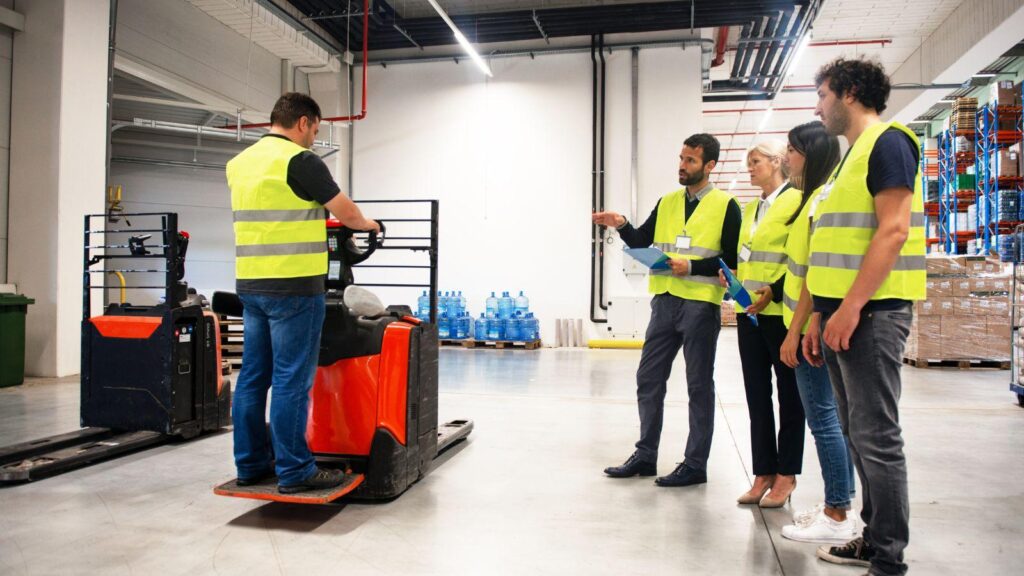
Birmingham’s logistics and industrial scene moves fast. Between tight warehouse schedules, short-notice construction deliveries, and seasonal peaks in manufacturing, having the “right” forklift matters—but owning a fleet doesn’t always make sense. Hire can be the practical middle ground: you get the capacity you need, when you need it, without tying up capital or maintenance time.
Still, “forklift hire” can mean a dozen different things. Short-term? Long-term? With an operator? Fully maintained? If you’re weighing options in Birmingham, here’s a clear way to think through the choices and avoid the common (and expensive) missteps.
Why hire instead of buy?
Hiring is often less about saving money in absolute terms and more about reducing risk and increasing flexibility. Ownership can work brilliantly when utilisation is high and consistent. But many Birmingham sites don’t operate that way—projects ramp up and down, warehouse layouts change, and certain loads only appear a few months a year.
Hire is particularly useful when:
- You need to cover breakdowns or maintenance downtime quickly.
- You’re running a temporary contract and don’t want long-term depreciation risk.
- You’re trialling new handling methods (narrow aisle, higher lifts, different attachments).
- You want predictable costs that bundle servicing and compliance support.
The bigger point: hire lets you match equipment to the job today, not the job you used to have.
Understanding forklift hire options in Birmingham
Short-term hire (daily/weekly)
Short-term hire is built for spikes and surprises—busy periods, sudden demand, or a one-off lift job. It’s also the most sensitive to availability, especially for specialist trucks.
In Birmingham, short-term hires can be impacted by local demand cycles (retail peak periods, construction surges, major events). If you know your dates, book early. Last-minute hire is possible, but you’ll have fewer model choices and potentially higher delivery costs depending on distance and urgency.
Long-term hire (monthly/annual)
Long-term hire is the workhorse option for sites that need consistent equipment but don’t want ownership responsibilities. Agreements vary, but many include planned maintenance, breakdown response, and replacement cover if a truck can’t be repaired quickly.
Long-term hire can also be a smart operational test: if you’re considering a fleet refresh, a 12–36 month hire gives you real performance data in your environment before committing.
Contract hire with maintenance (the “peace of mind” model)
This is the closest thing to “outsourcing” your forklift fleet. You pay a regular amount and the provider handles servicing, inspections, and repairs. It’s attractive for businesses that don’t have in-house engineering resource—or where uptime matters more than squeezing every last penny.
When comparing options, ask what “maintenance included” truly means: does it cover tyres, damage, callout charges, or only mechanical faults? The wording matters.
Hire with an operator (where appropriate)
Some jobs are better handled as a service rather than equipment rental—particularly heavy lifts, awkward loads, or sites where you can’t spare trained staff. Not every provider offers this, and rules differ by site and sector, but it’s worth asking when labour is the real constraint.
At this point, it can help to see what a dedicated local provider typically offers and how terms are presented. If you want to compare formats and get a feel for what’s standard in the area, you can explore forklift hire services in Birmingham and use it as a reference point while you evaluate your own requirements.
Choosing the right truck: capacity is only the start
A common mistake is selecting solely by lifting capacity (e.g., “We need a 2.5-tonne”). In reality, capacity changes depending on load centre, lift height, attachments, and mast type.
Counterbalance vs reach vs warehousing trucks
Counterbalance forklifts are the familiar choice for yard and general warehouse work, particularly with palletised loads and wider aisles. Reach trucks excel in racking and narrower aisles, but aren’t suited to rough yards. Pallet stackers and powered pallet trucks are often overlooked; for short moves and tight spaces, they can be safer and faster than a traditional forklift.
Power type: electric, diesel, or LPG?
- Electric: quieter, cleaner, ideal for indoor use; consider battery charging space and shift patterns.
- Diesel: strong for outdoor yards and heavier duties; emissions and noise can limit indoor practicality.
- LPG: flexible for mixed indoor/outdoor tasks; still requires ventilation considerations.
In Birmingham, where many operations are a blend of indoor storage and outdoor loading bays, LPG and electric are common—but the right answer depends on your runtime and environment.
Attachments and special requirements
If you’re handling non-standard loads (drums, bales, long materials), attachments can transform productivity—but they also affect stability and rated capacity. Tell the hire company early if you need sideshift, fork positioners, clamps, or extended forks; retrofitting at the last minute can delay delivery.
Compliance, training, and site readiness (don’t skip this)
Hiring equipment doesn’t remove your responsibilities as the operator of the workplace. You still need trained drivers, safe systems of work, and a site that can accommodate the truck.
Here’s a practical checklist to run before the truck arrives (and the only list you’ll need):
- Confirm lift heights, door clearances, and aisle widths (including turning space).
- Check floor condition and load-bearing capacity, especially in older units.
- Verify charging/refuelling arrangements and ventilation where relevant.
- Ensure operator training is valid for the truck type and attachments.
- Clarify who completes pre-use checks and how defects are reported.
That last point sounds minor until a minor issue becomes a downtime incident.
What drives forklift hire costs?
Pricing varies, but the main cost drivers tend to be:
- Truck type and specification (reach trucks and specialist models usually cost more).
- Hire duration (longer terms typically reduce the effective weekly rate).
- Usage intensity (multi-shift use increases wear and service demand).
- Maintenance inclusions (tyres and damage cover can be significant).
- Delivery logistics within and around Birmingham (access, timing, distance).
A useful tactic: ask for two prices—one “maintenance included” and one “maintenance excluded”—so you can see what’s really being bundled.
How to compare Birmingham providers without getting lost in the detail
When you’re choosing a hire partner, focus less on glossy promises and more on operational realities:
- Response times: What’s the typical breakdown response window in Birmingham?
- Replacement policy: If the truck is down, do you get a swap-out? How fast?
- Transparency: Are exclusions and damage responsibilities clear in writing?
- Support: Can they help you spec the correct truck based on your loads and racking?
A provider that asks smart questions up front is often the one that causes fewer surprises later.
Final thoughts: hire is easiest when you start with the job, not the truck
Forklift hire works best when you define the job in plain terms—load weights, lift heights, surface conditions, run time, and space constraints—then choose equipment to match. Do that, and hire becomes a straightforward operational tool rather than a rushed procurement exercise.
If you’re operating in and around Birmingham, a little planning goes a long way. The payoff is simple: safer handling, fewer disruptions, and a truck that actually fits the work you’re asking it to do.