

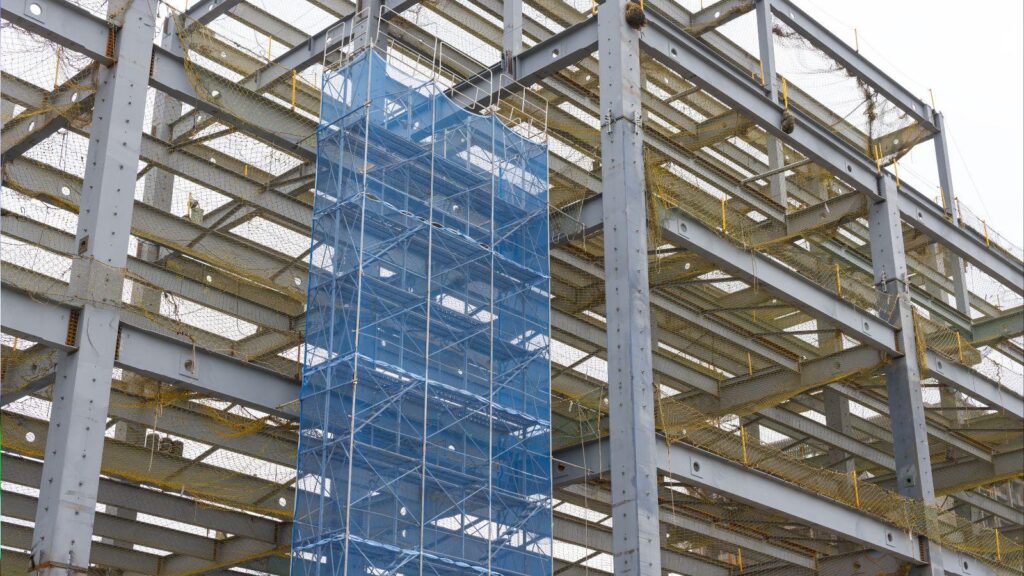
Modern construction focuses on smarter, stronger, and more efficient methods. The demand for fast, durable, and cost-effective structures has driven innovation beyond traditional techniques. From warehouses to agricultural spaces, every sector now seeks reliability with minimal waste. This evolution marks a new era of precision and design in building.
Among the standout advancements, engineered buildings lead the way. Made with pre-designed, precision-built components, they deliver strength, speed, and sustainability. Used in commercial, industrial, and residential projects, these structures offer flexibility, quality, and long-term value, reshaping the standards of modern construction.
Precision That Redefines Construction
The core strength of engineered structures lies in their accuracy. Each component is designed and fabricated under controlled conditions before reaching the site. This precision eliminates guesswork and reduces construction errors that typically delay traditional builds.
Key benefits include:
- Consistent quality control during manufacturing.
- Faster assembly with minimal on-site labor.
- Reduced material waste and improved efficiency.
Durability That Withstands Time and Weather
Steel-based engineered structures are built for resilience. Their frames resist corrosion, fire, and pests, giving them an advantage over conventional materials. This strength makes them ideal for regions that face extreme climates or frequent temperature changes.
Many industries prefer steel because it retains its form for decades while requiring minimal upkeep. The combination of strength and low maintenance makes these buildings a practical long-term investment. Be it a manufacturing unit, retail center, or storage facility, engineered steel construction ensures dependable performance year after year.
Design Flexibility That Expands Possibilities
One of the biggest advantages of engineered systems is their versatility in design. Builders can customize layouts based on function, space, and future needs. These structures adapt easily to different architectural preferences and industry standards.
Common applications include:
- Industrial warehouses and workshops.
- Commercial offices or showrooms.
- Agricultural barns and storage facilities.
- Recreational and aviation structures.
This flexibility allows property owners to create functional spaces without compromising on strength or visual appeal. Architects appreciate the freedom to experiment with open layouts, wide spans, and modern finishes.
Sustainability That Shapes the Future
Today’s engineered structures focus on reducing environmental impact. Steel and metal components are recyclable, cutting down waste and energy consumption during production. The precision manufacturing process ensures that materials are used efficiently, leaving a smaller carbon footprint.
Many modern projects integrate insulation and ventilation systems that improve energy performance. With growing interest in green construction, engineered buildings help developers meet sustainability standards while saving costs in the long term. They show that durability and environmental responsibility can work together seamlessly.
Speed and Efficiency That Save Costs
Traditional construction can stretch over months or years, but engineered systems streamline the process. Most of the work is done before materials even reach the site. Once delivered, assembly happens quickly with fewer workers, reducing both labor costs and downtime.
Pre-engineered methods allow businesses to start operations sooner. For companies balancing project deadlines and budgets, this efficiency makes a huge difference. Speed, precision, and performance come together to redefine modern construction timelines.
Engineered structures represent a smarter approach to building; one that values accuracy, efficiency, and long-term strength. From design flexibility to environmental awareness, they bring innovation to every stage of construction. With steel as their backbone, these systems deliver reliable results that last for decades. As industries evolve, engineered structures continue to stand as proof that modern construction can be both practical and inspiring.