


Around 85% of all email traffic worldwide is spam. Eighty-five percent. Inbox providers like Google and Microsoft have built increasingly aggressive defenses in response, and here’s the uncomfortable truth: your perfectly crafted campaign emails are getting caught in that crossfire every single day.
Deliverability isn’t glamorous. Nobody at the strategy meeting gets excited about bounce rates and authentication records.
But it’s the thing that determines whether any of your other email work actually matters. A 45% open rate means nothing if half your list never even sees the message.
Here are eight tools worth knowing, what each one does well, and who it’s actually built for.
1. InboxAlly
Most deliverability tools hand you a report and wish you luck. InboxAlly does something different. It actually places your emails into real, active mailboxes across Gmail, Outlook, Yahoo, and others, where they get opened and engaged with.
Inbox providers are watching that activity and adjusting how they classify mail from your domain going forward. It’s reputation repair through behavior, not just auditing.
It also works well as a spam tester, letting you see exactly how your emails are being categorized across providers before anything goes to your real list.
For senders who’ve been stuck in the promotions tab for months or who’ve watched their open rates quietly slide without explanation, this tends to be the tool that actually moves things. Give it 30 days of consistent use, and the data usually tells a clear story.
2. GlockApps

GlockApps does placement testing better than most. You send to their seed list, and you get inbox versus spam results across dozens of providers, broken down by ISP. Not a single averaged score.
Actual placement, per provider. That level of detail matters when you’re sending internationally and need to know that your campaign is landing differently in Germany than it is in the US.
New users find it dense. Fair point. But once you’re oriented, it becomes second nature to run it before anything major goes out.
3. MXToolbox
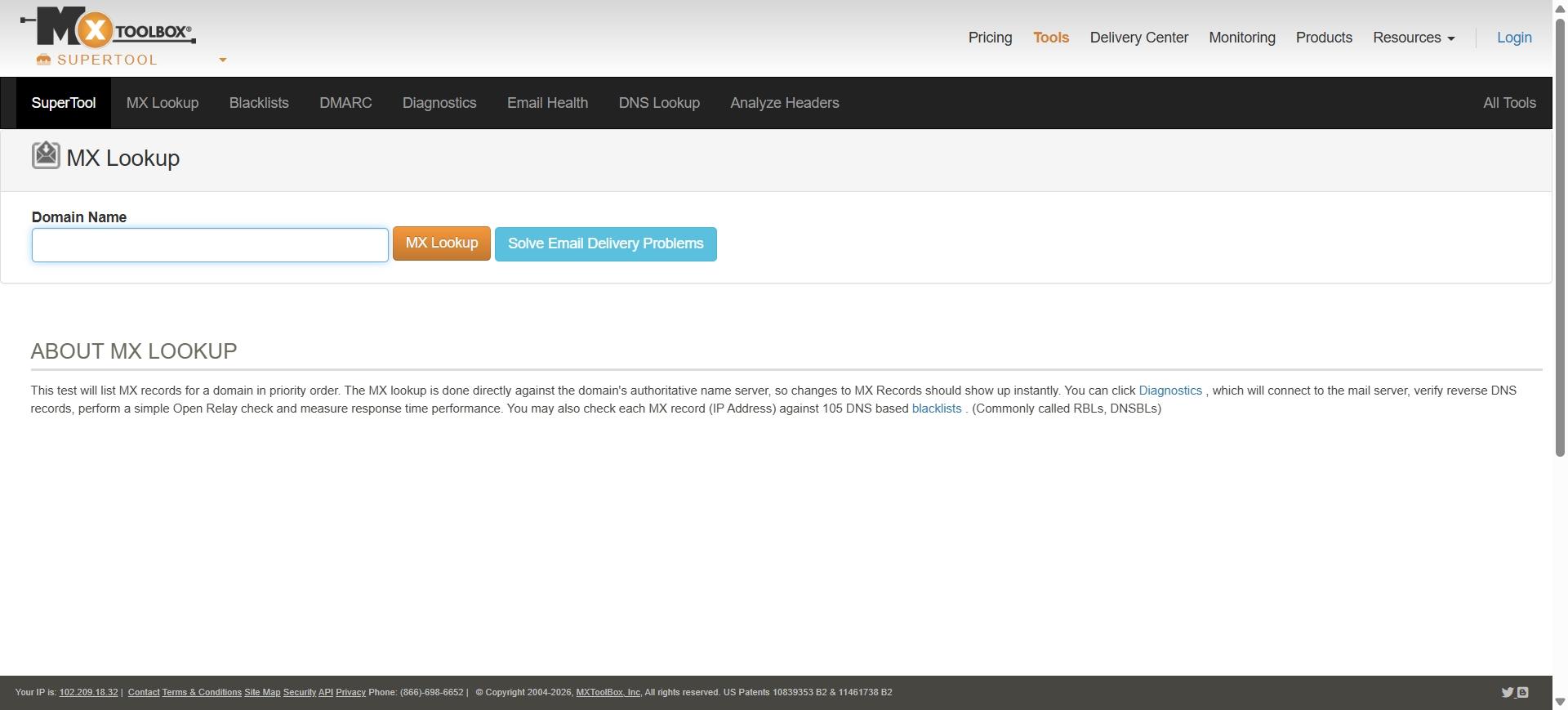
This one is less of a campaign tool and more of a diagnostic workspace. DNS lookups, SPF and DKIM validation, mail server health checks and authentication record verification.
When your deliverability drops suddenly, and nobody knows why, MXToolbox is usually where you start looking. The free tier handles most everyday use cases, which makes it genuinely accessible even for teams without anyone technical on staff.
4. Mailgun
Bad list hygiene is quietly responsible for many deliverability problems that get blamed on other factors. Role-based addresses, typos and contacts who stopped engaging eight months ago but never unsubscribed.
Mailgun’s validation API flags risky contacts before they ever reach your active segments, whether at signup or during a list import. It’s not flashy. But cleaning up the input before you worry about the output is just good practice.
5. Postmark
Free, fast, and focused purely on content. Postmark checks your email against common filter rules and flags anything suspicious before you send. Spammy phrases, broken HTML, missing unsubscribe links, formatting issues.
It’s not trying to be a full deliverability platform, and honestly, it doesn’t need to be. As a pre-flight check before a template goes live, it does exactly what it needs to do.
6. SendForensics
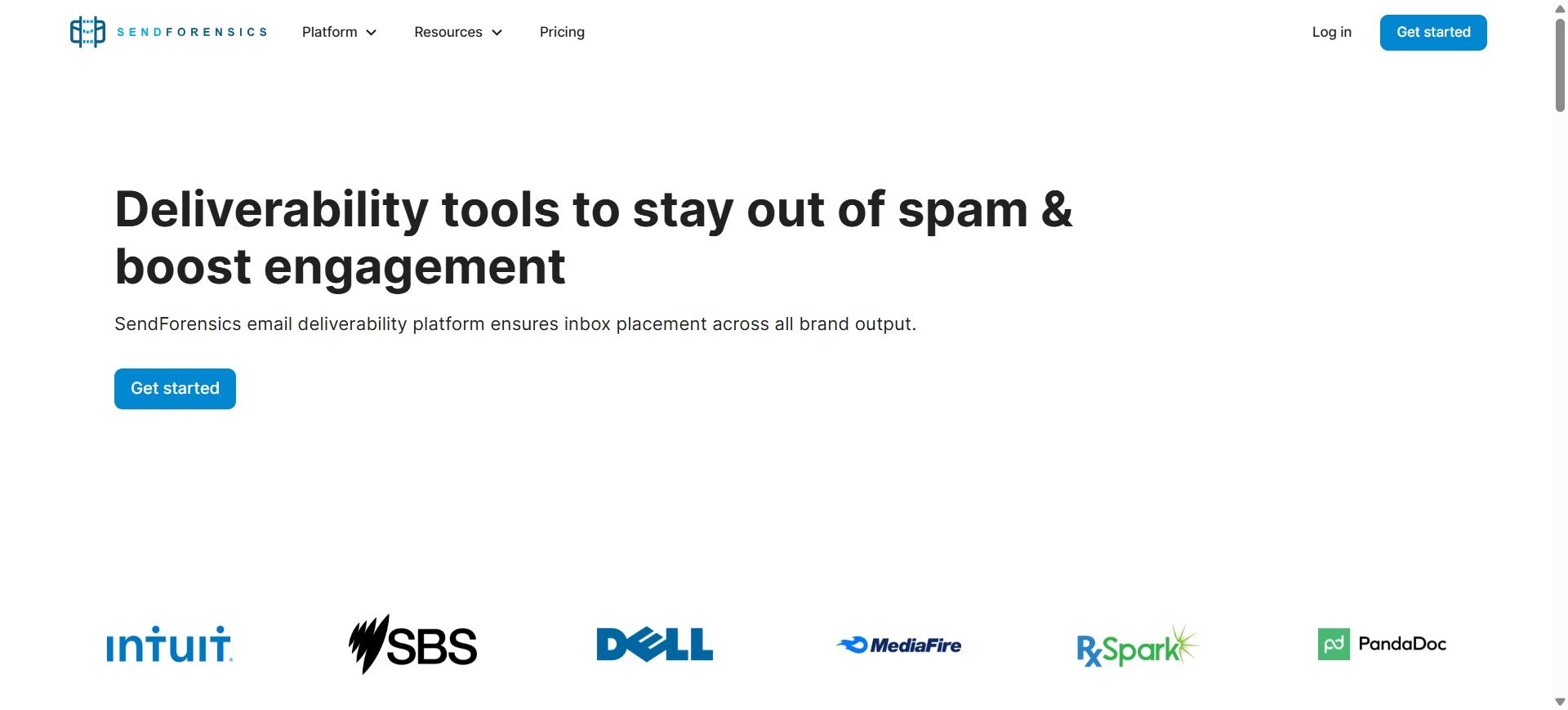
What separates SendForensics from a basic spam-checking tool is that it tells you why something is a problem, not just that it is. It runs your email against hundreds of filtering criteria, verifies authentication, and provides a predictive deliverability score.
For teams who’ve been playing whack-a-mole with content issues and never quite fixing the underlying cause, this level of explanation is actually useful rather than just decorative.
7. Validity Everest
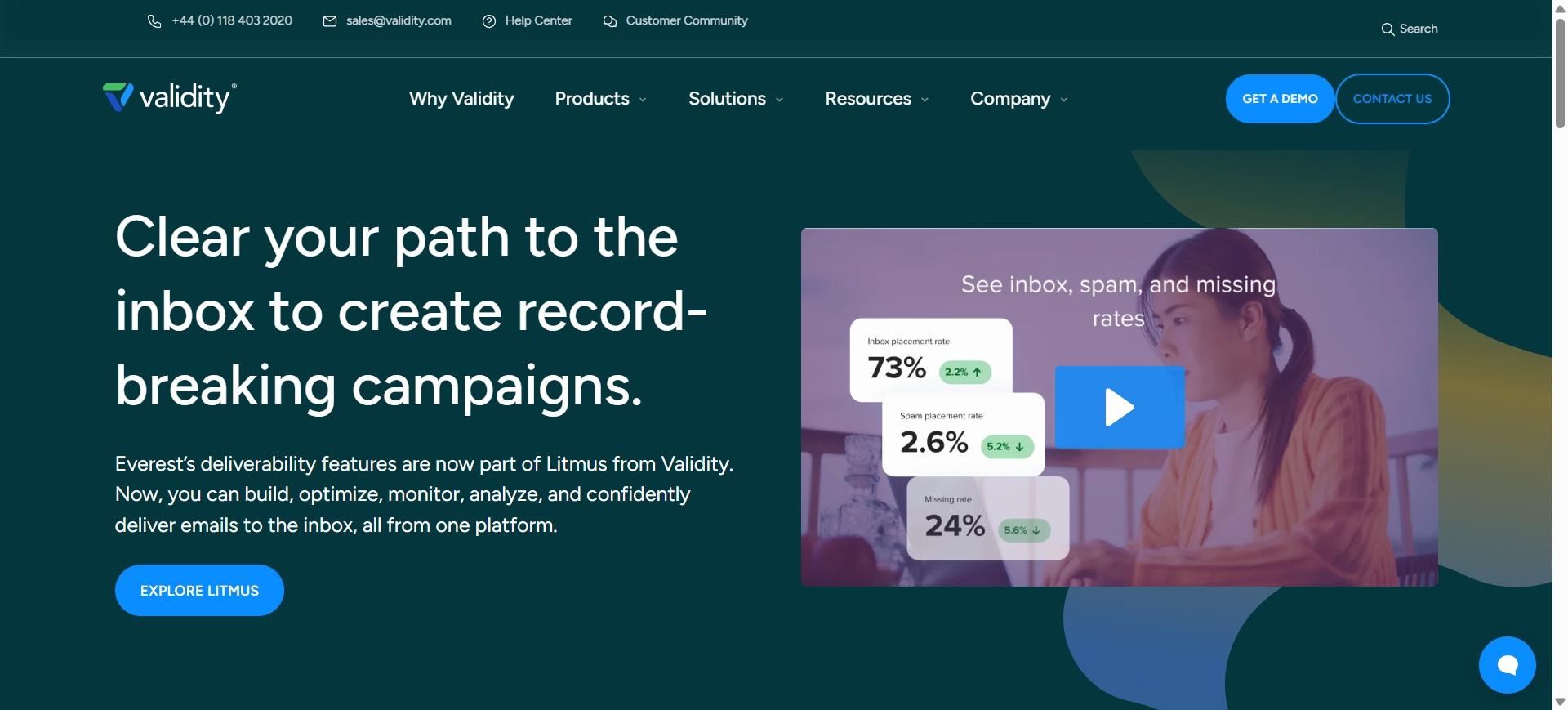
Formerly Return Path, which gives you a sense of how long this product has been around in the enterprise space. Validity Everest is built for large senders running complex programs.
Real-time monitoring, seed list testing across major ISPs, reputation tracking and benchmarking against other senders in your category. It’s comprehensive. It’s also priced for enterprise use, so if you’re a smaller team, this probably isn’t where you start.
8. Mailtrap
Mailtrap started as a sandbox for developers testing transactional email flows, and it’s genuinely useful in that role. You can capture outgoing emails, inspect rendering, verify authentication, and confirm everything looks right before anything reaches a real inbox.
If you’re launching a new onboarding sequence or switching ESPs, running it through Mailtrap first saves you from sending broken emails to actual customers while you’re still working things out.
Before You Hit Send on Anything Big
One thing that trips up even experienced email marketers: your domain or sending IP can end up on a blacklist after one bad campaign, and you might not know until your numbers have already tanked.
High bounces, a spike in complaints, a list you shouldn’t have imported. Any of those can do it. Get into the habit of taking a few minutes to check the email address for blacklist status before any major send.
InboxAlly and GlockApps both include blacklist monitoring. It takes five minutes. Not doing it can cost you weeks of recovery.
The Bottom Line
The right stack depends entirely on where your problem lives. Reputation damage? Start with InboxAlly. Pre-send placement testing? GlockApps. Infrastructure issues? MXToolbox first. List quality dragging everything down? Fix that upstream before anything else can help.
No single tool solves it all. But a small, intentional combination, used consistently, gets you a lot closer to the inbox than hoping your content is good enough to overcome a broken foundation.